01
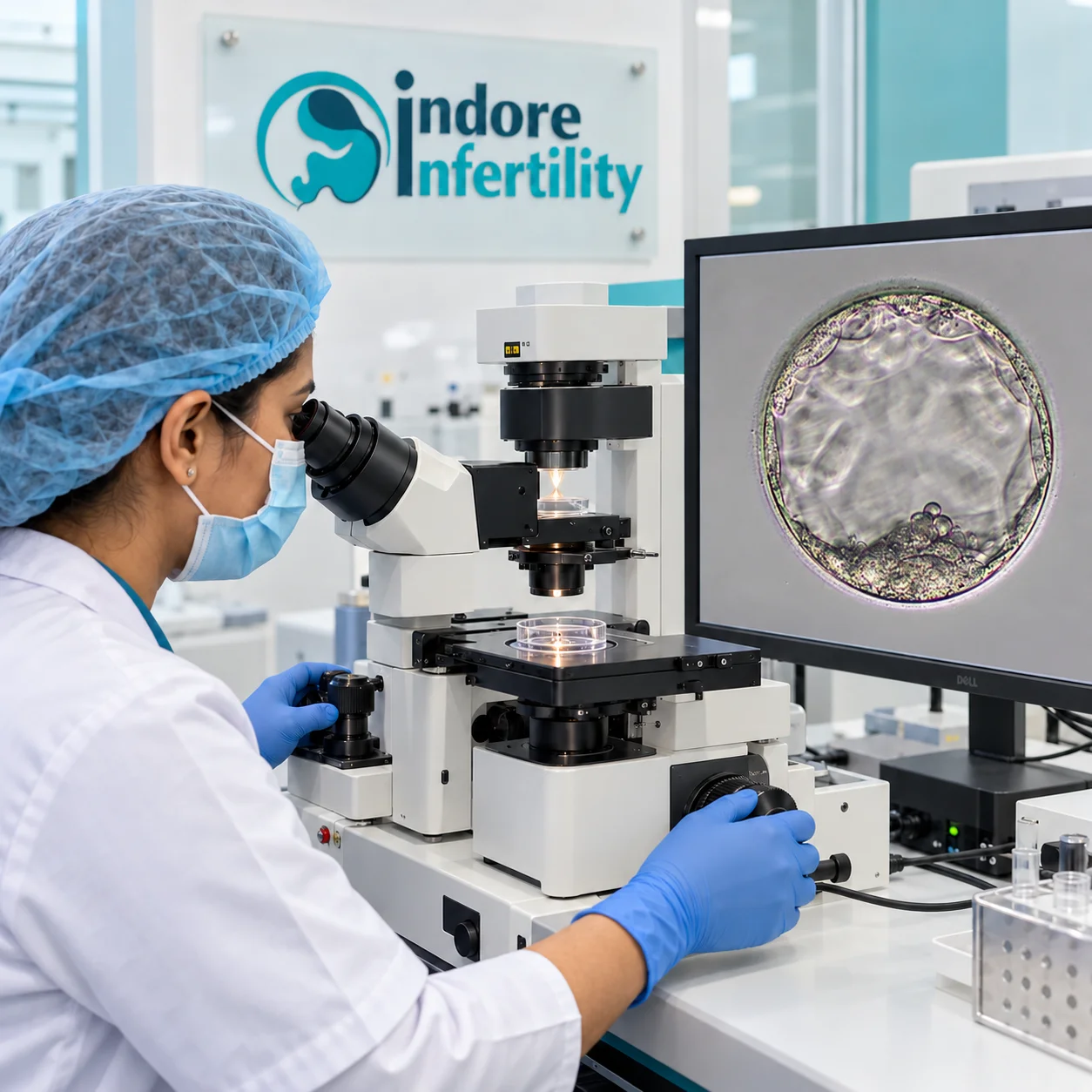
Developing Blastocyst
Day 5 development


Blastocyst culture is an assisted reproductive technology technique in which embryos created through IVF are cultured in the laboratory for several days until they reach the blastocyst stage. This extended culture allows the embryology team to observe embryo development and select suitable embryos for transfer or cryopreservation according to the individual treatment plan.Blastocyst culture involves growing IVF embryos in the laboratory for several days until they reach the blastocyst stage. This helps the embryology team assess embryo development and identify suitable embryos for transfer or cryopreservation. The approach is planned according to each patient’s treatment needs and embryo development.
“Blastocyst” is an embryo that has developed for five to seven days after fertilization and has 2 distinct cell types and a central cavity filled with fluid (blastocoele cavity).
Typically during IVF or ICSI an embryo is transferred to the womb on Day 3. But during Blastocyst Culture or Prolonged Embryo Culture, an Embryo is allowed to cultivate in the lab for a longer period of time, so that we can obtain information concerning the vitality of the embryos and determine whether or not they will continue their development.
Using this technique in the IVF / ICSI Treatment of a young woman (25-30 years of age), pregnancy rates of up to 70% may be achieved.
Laboratory assessment follows embryo development over several days. The embryology team observes changes in embryo structure and development before deciding on transfer or cryopreservation.
Day 5 development
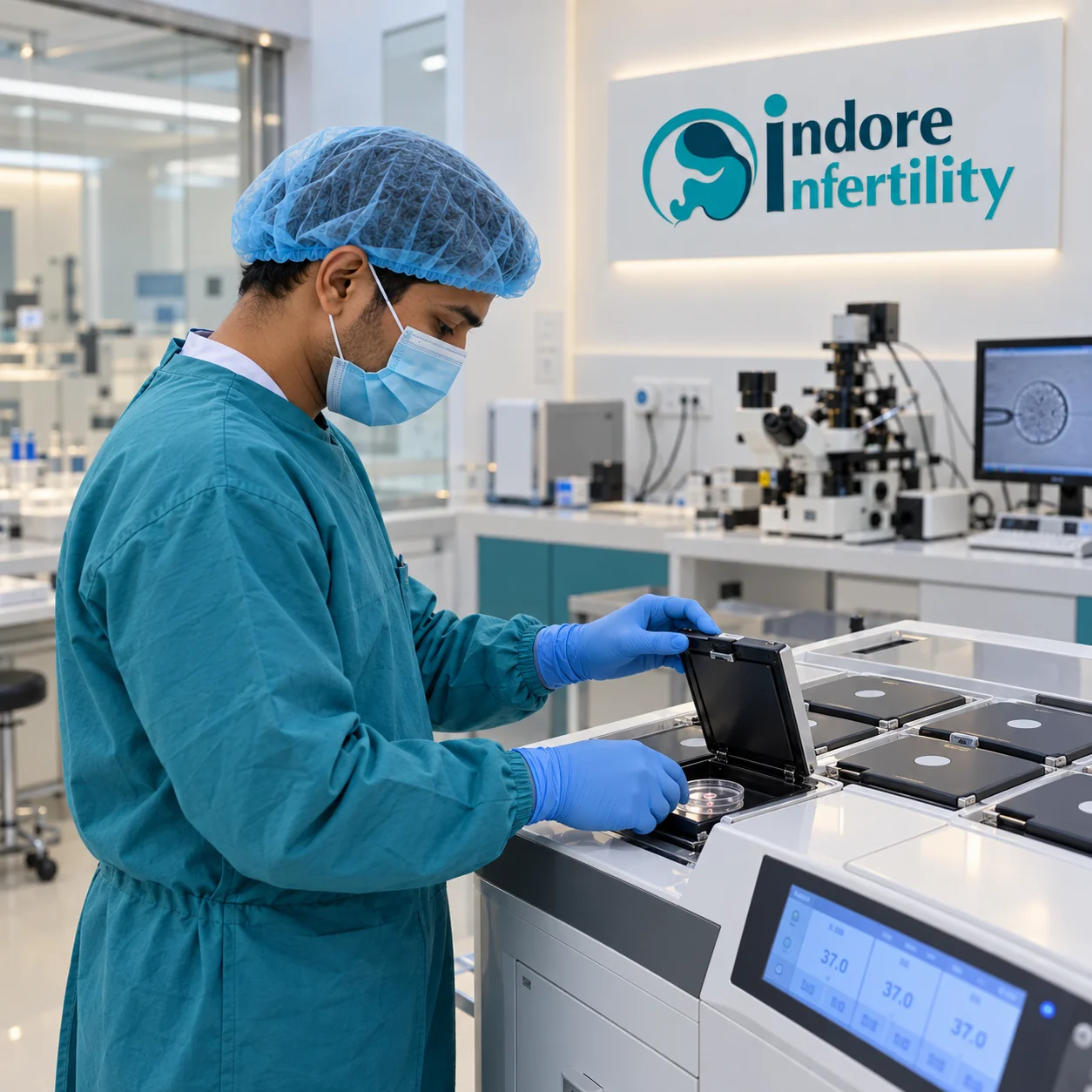
Controlled culture conditions
As a patient your treatment cycle is exactly the same as for IVF, except that your embryos will be cultured for longer in the embryology laboratory. This means that the day of your embryo transfer will be five days after egg collection instead of Day 3.
The primary risk of attempting Blastocyst Transfer is that some embryos may not survive 5 days of culture outside the human body. Therefore, the total number of embryos available for transfer and freezing will be less.
Unfortunately for a very small number of couples (<5%), the embryos stop developing after day 3 and treatment stops at this point, without an embryo transfer being possible. This is known as embryonic block and this itself may be the very cause of infertility.
Please refer the following Quick Reference Chart for knowing the cost of IVF or ICSI with Blastocyst Transfer (Day 5 or 6 Transfer)
Cost of TreatmentFind answers to common questions about blastocyst culture, embryo development, transfer, cryopreservation and IVF laboratory procedures.
Blastocyst culture is the laboratory process of growing embryos for several days after fertilisation until they may reach the blastocyst stage. This allows the embryology team to observe embryo development before transfer or cryopreservation.
Blastocyst formation commonly occurs around day 5 or day 6 after fertilisation, although embryos can develop at different rates.
No. Some embryos stop developing before reaching the blastocyst stage. The number of blastocysts obtained varies between individuals and IVF cycles.
Extended culture provides additional information about embryo development and can help the embryology team identify embryos that continue developing to the blastocyst stage.
Yes. Blastocysts considered suitable for cryopreservation can be frozen using established embryo-freezing techniques and may be used in a future frozen embryo transfer.
When preimplantation genetic testing is included in an IVF treatment plan, embryo biopsy is generally performed at the blastocyst stage according to the fertility clinic and laboratory protocol.
No. Reaching the blastocyst stage is an important developmental milestone, but implantation and pregnancy depend on several embryo, uterine and individual factors.
The suitability of extended embryo culture depends on the individual IVF situation, including the number and development of embryos and the recommendations of the fertility specialist and embryologist.
If no embryo reaches a stage considered suitable for transfer or freezing, the fertility team will discuss the laboratory findings and possible next steps with the patient.
Blastocyst culture itself does not provide gender selection. In India, sex selection is prohibited by law, including selection based on prenatal or preimplantation testing for sex.
Take the first step towards parenthood with compassionate care, expertise, and support tailored to your unique needs.