
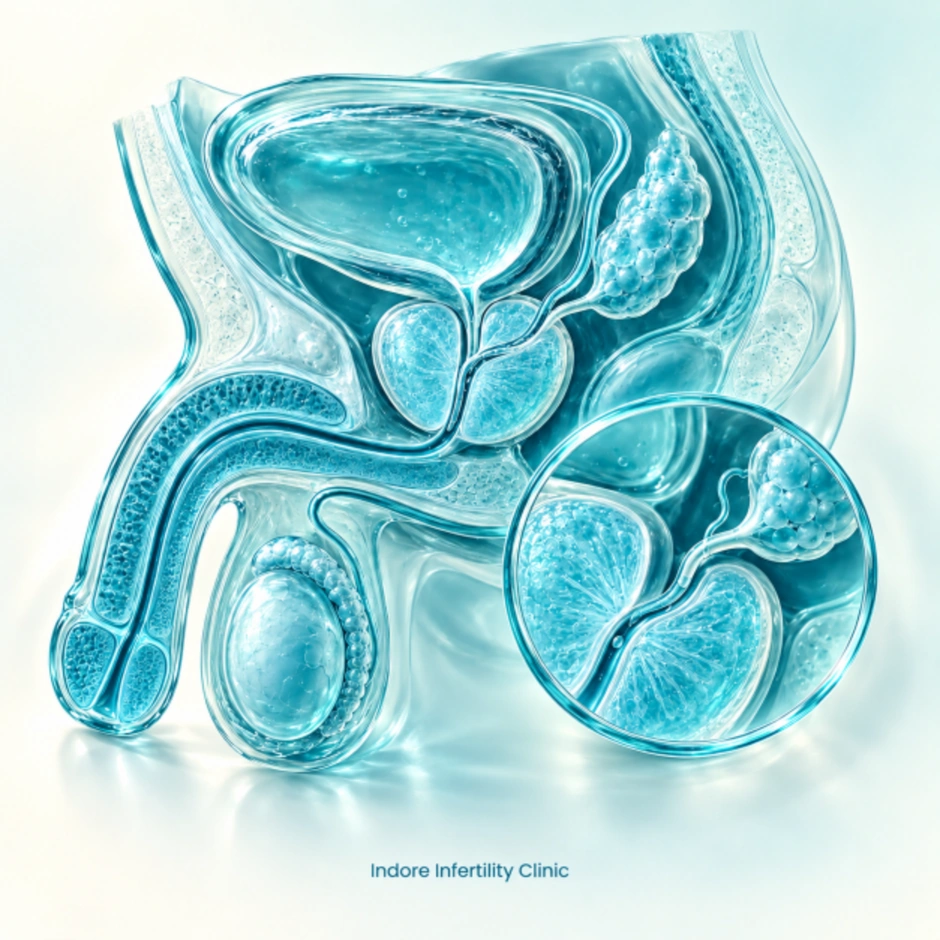
What is Erectile Dysfunction or ED?
Erectile dysfunction (ED) is when a male has problems in maintaining an erection during sexual activity. It at times is synonymous to impotence. Erectile Dysfunction is a common sexual health concern and can affect men at different stages of life. Although the occurrence of ED increases with age, it is not considered an inevitable part of ageing. The condition may be associated with physical, medical, psychological or lifestyle-related factors. In some individuals, ED may also occur alongside conditions that affect blood vessels, nerves, hormones or overall cardiovascular health. A detailed medical history and appropriate clinical evaluation can help identify possible contributing factors and guide suitable treatment. Understanding the underlying cause is an important part of developing an individualized approach to management.
Erectile dysfunction (ED) is when a male has problems in maintaining an erection during sexual activity. It at times is synonymous to impotence.
It is more common than we think it is. Approximately 1 in 5 males experience some degree of Erectile Dysfunction. The occurrence of ED increases with age.
No. Men suffering from ED usually have a normal Libido. In ED, the body does not respond to the stimulation and an erection is not attained despite the desire.
Age: ED increases in age from roughly 5%-15% from 30-50 years.
Lifestyle: Smoking, Excessive Alcohol and Obesity increase the risk of ED. Control of all these factors can improve the symptoms of ED. Many studies have proven that regular exercise reduces the risk of ED. Excessive and prolonged cycling without proper seat cushioning may cause damage to nerves and blood vessels in the perinial region. Therefore excessive unprotected cycling is also associated with Erectile Dysfunction.
Diabetes and other medical disorders like multiple sclerosis: Diabetes and other similar diseases increase the risk of ED as they reduce the blood supply, damages the vessels and cause nerve damage.
Obesity: Many studies have revealed that ED is more common in obese individuals. This may be associated with other medical conditions such as Atherosclerosis, High Blood Pressure, High sugar levels etc.
Hypertension: Same effect as diabetes but mainly damage is caused by hardening of the blood vessels.
Surgical Causes: Surgeries done in the bladder and prostrate region may damage the blood or nerve supply near the penis. This at times may cause ED. Sometimes the ED is reversible and improves on its own with regeneration of nerves and blood supply.
Side Effect of Medicines: many AntiHypertensive drugs (Drugs to control High Blood Pressure), Anti Depressants, Anti Psychotics, Ant Anxiety medicines may cause ED. Details of possible side effects of all medicines are available on many websites like https://www.mims.com and is worth going through while taking any medicine.
Psychological Causes: Usually ED has a reason but in some cases may be purely psychological in origin. Depression, Lack of Self esteem, Stress, Anxiety all these may cause ED on their own and worsen ED which has an obvious medical cause. This is why counselling and alleviation of psychological factors is extremely important while managing ED. Males who have psychological ED will have nocturnal erections and only need counselling.
ED mainly is diagnosed on the basis of the history provided. All the tests and Investigations done are to find the cause of ED.
Complete Physical check up and Examination: To evaluate the physical condition and detect factors like obesity, hypertension, local injury etc.
Serum Testosterone and Prolactin Levels: To exclude hormonal disturbances
Complete Blood Count (CBC), Blood Sugar Levels, Cholesterol and Lipid Profile: To diagnose medical causes of ED
ECG: This may be required if there are multiple high risk factors like High BP, Diabetes etc. ED is associated with an increased risk of heart problems and at times is the first marker of heart disease. Therefore an ECG may pick up early cases of heart problems whereby treatment can be initiated early.
Colour Doppler Ultrasound: Used to see and assess blood flow to the penis and various abnormalities likes thickening, scarring, vascular leaks etc. Mainly gives an idea about the vascular condition and related problems.
Treatment depends on the cause of ED.
Exercise, Cessation of Smoking, Weight loss for Obese Males: All help in improving Erectile Dysfunction.
Counselling and Psychotherapy: Even when ED has a known cause, counselling helps improve ED. Should be offered to all males and couples facing this problem.
Oral Medication: Phosphodiesterase type 5 inhibitors increase the blood supply. Drugs in this category are Viagra, Cialis, levtra. All these have potential serious cardiac side effects and therefore should only be taken once the concerned physician approves its use.
Topical Creams: Local application of Alprostadil cream has been approved in some countries for treatment of Erectile Dysfunction.
Injections: A few injections like papaverine, phentolamine and prostaglandin E1 can be used to treat ED. All these injections are associated with side effects and should always be taken under medical supervision.
Extracorporeal Shock Wave Therapy: Relatively new mode of therapy and without any side effects. Only problem is that it is not commonly available.
Vacuum Erection Pumps: This is an external pump device which creates vacuum thereby increasing the blood flow and causing an erection. Many types of pumps are available and their use has been approved by medical agencies like FDA.
Surgery: If ED is because of blockage of a major blood vessel, surgical correction can resolve the problem. This
option is usually offered to young men who have sustained an injury causing blood vessel obstruction.
Implants: Penile implants can be offered to patients of ED. These implants are usually inflatable. Drawback of this method is usually the cost implication.
Alternative Therapies: Ginseng and Ginkgo biloba are very popular traditional medicines used for ED. Unfortunately this is not backed by any research and sometimes taking supplements which contain more than 10 ingredients, most of them being unknown, may cause other problems. So beware of what is being taken
- Get some Exercise
- Keep a tab on weight
- Eat a heart healthy diet
- Don’t allow Blood pressure to be uncontrolled
- Prevent or treat diabetes early
- No smoking or quit smoking
- Drink in moderation
- No illicit drugs
- Cut down on stress levels
- Know your medicines: One of them may be causing the problem
- Get help early if you feel it’s consistently a problem
Commonly Asked Erectile Dysfunction Questions
Find answers to common questions about Erectile Dysfunction, its causes, diagnostic tests and treatment options.
Erectile dysfunction (ED) is when a male has problems in maintaining an erection during sexual activity. It at times is synonymous to impotence.
The source page states that approximately 1 in 5 males experience some degree of Erectile Dysfunction and that its occurrence increases with age.
No. Men suffering from ED usually have a normal libido. In ED, the body does not respond to stimulation and an erection is not attained despite the desire.
ED is mainly diagnosed on the basis of the history provided. Tests and investigations are performed to find the cause of ED.
The source page mentions Serum Testosterone and Prolactin, Complete Blood Count, Blood Sugar Levels, Cholesterol and Lipid Profile.
An ECG may be required when there are multiple high-risk factors such as high blood pressure or diabetes. The source page notes that ED is associated with an increased risk of heart problems and can sometimes be an early marker of heart disease.
Colour Doppler Ultrasound is used to assess blood flow to the penis and look for abnormalities such as thickening, scarring and vascular leaks.
Treatment depends on the cause and may include lifestyle changes, counselling and psychotherapy, oral medication, topical creams, injections, extracorporeal shock wave therapy, vacuum erection pumps, surgery and penile implants.
Yes. Depression, lack of self-esteem, stress and anxiety can cause ED on their own or worsen ED that has an obvious medical cause.
The source page recommends exercise, maintaining a healthy weight, a heart-healthy diet, controlling blood pressure, preventing or treating diabetes early, avoiding smoking and illicit drugs, moderating alcohol, reducing stress, reviewing medicines and seeking help early when the problem is consistent.
Ready to begin your journey?
Take the first step towards parenthood with compassionate care, expertise, and support tailored to your unique needs.