The 'Precious Pregnancy' Concept
After infertility treatment or previous loss, a pregnancy may feel especially hard-won. Families may seek greater predictability and reassurance.


An elective C-section is a planned caesarean birth, arranged before labour. It may be recommended for a medical reason or chosen after informed discussion. At Indore Infertility Clinic, birth planning considers your health, your baby, your IVF journey and your preferences, with hospital care coordination. Our structured delivery planning protocol integrates thorough fetal maturity assessments, careful timing around full term gestation, review of prior fertility or surgical history, and seamless coordination with experienced obstetric and neonatal teams to ensure a safe, smooth, and well-prepared birth experience.
Understand the 'precious pregnancy' concept and separate personal preference from medical necessity.
After infertility treatment or previous loss, a pregnancy may feel especially hard-won. Families may seek greater predictability and reassurance.
The term explains the importance of the journey. It is not, by itself, a medical indication for surgery.
A planned date may offer a sense of control after a difficult fertility journey. Fear of pain or an emergency birth deserves a supportive discussion.
Twins, placental problems, previous uterine surgery or maternal illness may influence the plan. Age and IVF alone do not automatically require a C-section.
Discuss both birth options, recovery, future pregnancies and support for birth anxiety. Document an informed decision with your obstetric team.
Spontaneous labour or induction may be suitable. For IVF pregnancies, discuss the timing of birth, including whether induction at 39 weeks is appropriate.
Recommendations may change as pregnancy progresses. A condition may affect the timing of birth without necessarily requiring surgery.

Persistent breech or transverse lie may favour caesarean birth. For twins, the first baby's position, type of twins, growth and team expertise matter; twins do not always require surgery.
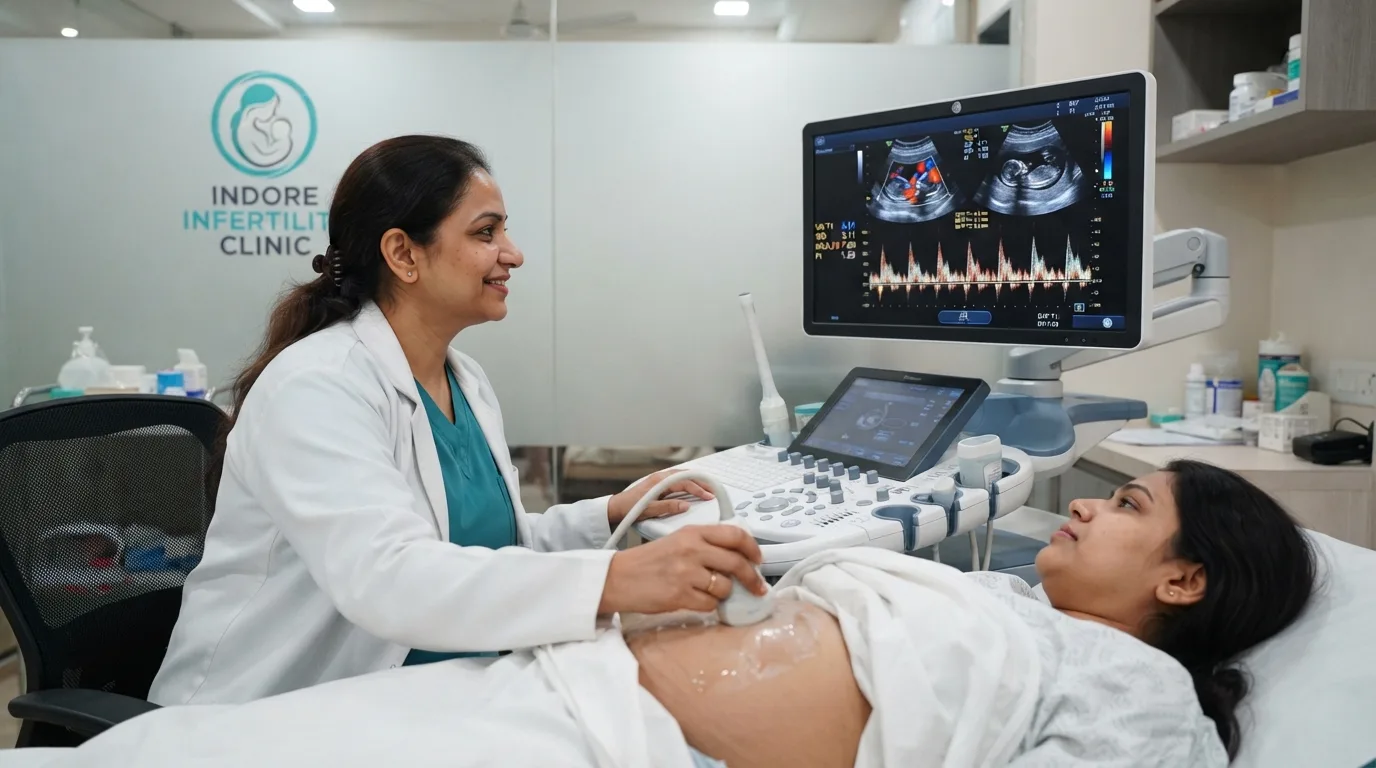
Placenta covering the cervix, suspected placenta accreta or vasa previa may require planned surgery and specialist facilities. Scan findings guide the hospital and delivery plan.

The type of uterine scar, prior complications and operative records matter. Vaginal birth after caesarean (VBAC) may be possible in selected women with appropriate hospital support.

High BP, pre-eclampsia, diabetes, fetal growth concerns or selected infections may change the timing or mode of birth. Severity and how well the baby may tolerate labour guide the decision.

A vaginal birth plan may change if labour does not progress, induction is unsuccessful, significant bleeding occurs or the baby's heart rate raises concern. An unplanned C-section may then be needed.
Consider anxiety, previous birth experience, pain relief, recovery support and plans for more children. Anaesthesia, neonatal support and access to emergency care are part of safe planning.
Both routes can lead to a healthy mother and baby. The balance depends on your pregnancy, the likelihood of an uncomplicated vaginal birth and your preferences.
A straightforward vaginal birth usually means a shorter hospital stay and quicker return to everyday activity. It avoids abdominal surgery, a surgical wound and a new uterine scar, with fewer scar-related concerns in future pregnancies. Labour pain relief, including an epidural when suitable and available, can be discussed.
Labour can be unpredictable and painful. Perineal tears, pelvic floor symptoms, assisted birth with forceps or vacuum, and an unplanned C-section are possible. A plan for vaginal birth cannot guarantee an uncomplicated vaginal delivery.
It provides a planned route of birth and can avoid labour and vaginal or perineal tears when performed before labour. It reduces the chance of an assisted vaginal birth or urgent surgery during labour, and may lower some pelvic floor risks. When vaginal birth is unsafe, it can be the safer option for mother or baby.
It is major surgery, with wound pain, infection, bleeding, blood clots, anaesthetic complications and uncommon injury to nearby organs. Recovery is usually slower. Babies can have breathing difficulties, particularly with birth before 39 weeks. A uterine scar may complicate future pregnancies, with placental risks rising after repeat C-sections.
Know what to do before birth if labour starts early, and recognise urgent symptoms after surgery.

Urgent warning symptoms need direct hospital assessment.
Labour, leaking waters, bleeding or reduced fetal movements need prompt hospital assessment.
A fever following your caesarean birth needs urgent medical assessment.
Worsening pain around the surgical wound should be checked urgently.
Heavy vaginal bleeding after surgery requires urgent medical care.
Leg swelling, chest pain or breathlessness may signal a serious problem and require urgent care.
Contact the maternity hospital promptly if labour starts before your booked date, including if your waters break.
Without a reason for earlier birth, a planned C-section is usually arranged at or after 39 weeks. Medical complications may require a different date.
Review anaemia, medicines, allergies and the anaesthetic plan. Follow hospital instructions on fasting and admission, and discuss any prescribed blood thinners.
Spinal or epidural anaesthesia numbs the lower body and usually allows you to remain awake. General anaesthesia is used when needed. Ask your hospital about birth partner arrangements.
Skin-to-skin contact and breastfeeding can be supported when mother and baby are stable. Newborn assessment or medical needs may affect the timing.
Use the prescribed pain plan. Begin gentle movement when advised, follow clot-prevention guidance based on your risk, care for the wound as instructed and attend your review.
Recovery commonly takes around six weeks and varies from person to person. Arrange practical help, adequate meals and rest. Ask your care team when lifting, driving, exercise and sex are appropriate.
Ask for an itemised hospital estimate covering obstetric care, anaesthesia, room, medicines and newborn care.
Request an itemised estimate for all care associated with the planned birth.
Check whether obstetric care and anaesthesia professional fees are included.
Confirm room charges, length of stay, medicines and routine newborn care.
Ask how extra hospital stay, complications or newborn intensive care (NICU) may change the total.
Transparent Care
Contact Indore Infertility Clinic to discuss your birth plan and request a detailed estimate.
Quick Reference
Call or WhatsApp to schedule a consultation regarding your elective C-section plan.
Find answers about IVF, birth choices, 39-week timing, recovery and cost estimates.
No. IVF alone does not make surgery mandatory. Vaginal birth may be appropriate after assessment of maternal health, scans, fetal wellbeing and previous surgery.
It describes the emotional value of a hard-won pregnancy. It is not a medical indication by itself; your history, current findings and informed preference guide planning.
No. Safety depends on individual circumstances. C-section can be safer when indicated, but it introduces surgical risks and does not guarantee a better outcome.
Discuss your fears early. Counselling, pain-relief options and mental health support may help. A planned caesarean can be considered after an informed discussion.
Birth before 39 weeks without a medical reason increases newborn breathing risks. Earlier birth may be appropriate for specific maternal or fetal complications.
Not always. Twin type and presentation matter. After previous surgery, the uterine scar and current pregnancy determine whether VBAC is a suitable option.
Most planned procedures use spinal or epidural anaesthesia so you remain awake. Feeding and skin-to-skin support are available when you and your baby are stable.
Contact the maternity hospital promptly, including if your waters break. The team reassesses you and your baby and discusses whether to proceed with surgery or continue labour.
Ask for an itemised hospital estimate covering obstetric care, anaesthesia, room, medicines and newborn care. Extra stay, complications or newborn intensive care may change the total.
Take the first step towards parenthood with compassionate care, expertise, and support tailored to your unique needs.