Before Fertility-Threatening Treatment
Discuss preservation before treatment that could damage the ovaries.Treatments like chemotherapy or radiation can severely impact reproductive health and egg quality.
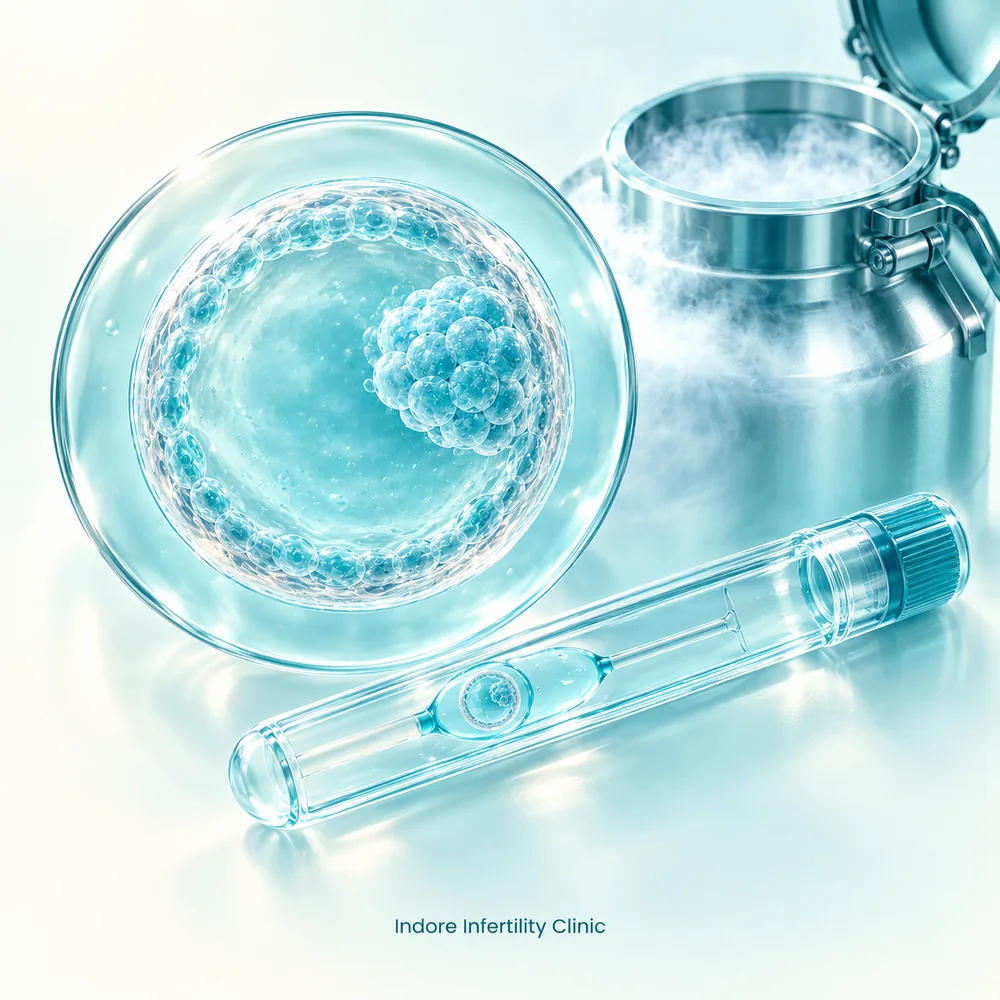
Embryo freezing, also known as embryo cryopreservation, is an advanced assisted reproductive technology (ART) that allows individuals and couples to securely store high-quality embryos created through IVF for future pregnancy attempts. The comprehensive process begins with controlled ovarian stimulation and egg retrieval, followed by precise fertilisation with sperm in a specialized embryology laboratory. Once the embryos reach the optimal developmental stage, suitable specimens are rapidly vitrified using state-of-the-art ultra-fast freezing techniques and preserved in secure cryostorage containers. This reliable method ensures that your genetic material remains protected and viable for years, giving you complete flexibility and peace of mind when you are ready to expand your family.
Discuss preservation before treatment that could damage the ovaries.Treatments like chemotherapy or radiation can severely impact reproductive health and egg quality.
Review the risk to ovarian reserve before an operation.Surgeries involving ovarian cysts or endometriosis can inadvertently reduce egg count.s
Consider storing embryos when pregnancy is planned for a later time.Biological clock challenges can be effectively managed using modern vitrification techniques.
Suitable embryos from IVF may be stored for future treatment or a sibling.Eliminates the need to undergo complete ovarian stimulation and egg retrieval procedures again.
Embryos are cultured and monitored in the laboratory, and suitable embryos are assessed and selected for freezing.
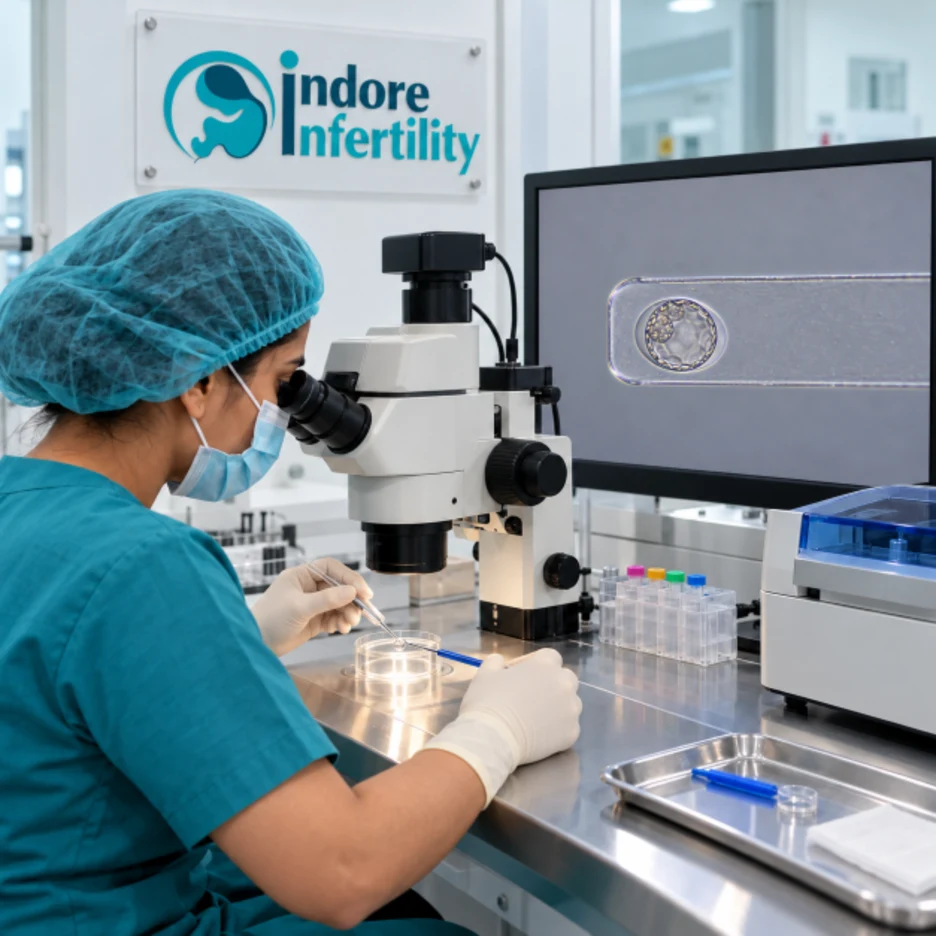
Monitoring embryo development in the laboratory
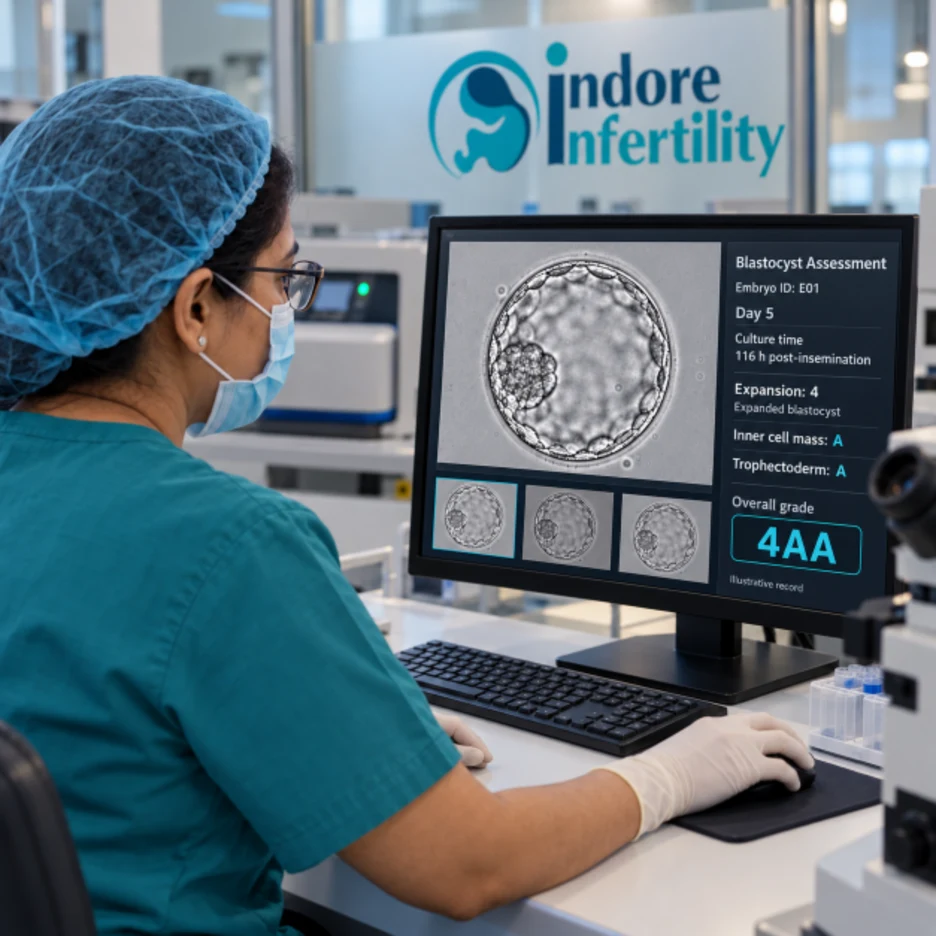
Assessing embryos before they are frozen
Review age, medical history, ovarian reserve, sperm factors and future family plans. Ultrasound and blood tests help plan treatment. Bring previous reports and, if relevant, the proposed cancer treatment schedule.
Daily hormone injections help several follicles develop. Scans and, when needed, blood tests guide the dose and collection date. Stimulation often takes around two weeks. The schedule varies with your response.
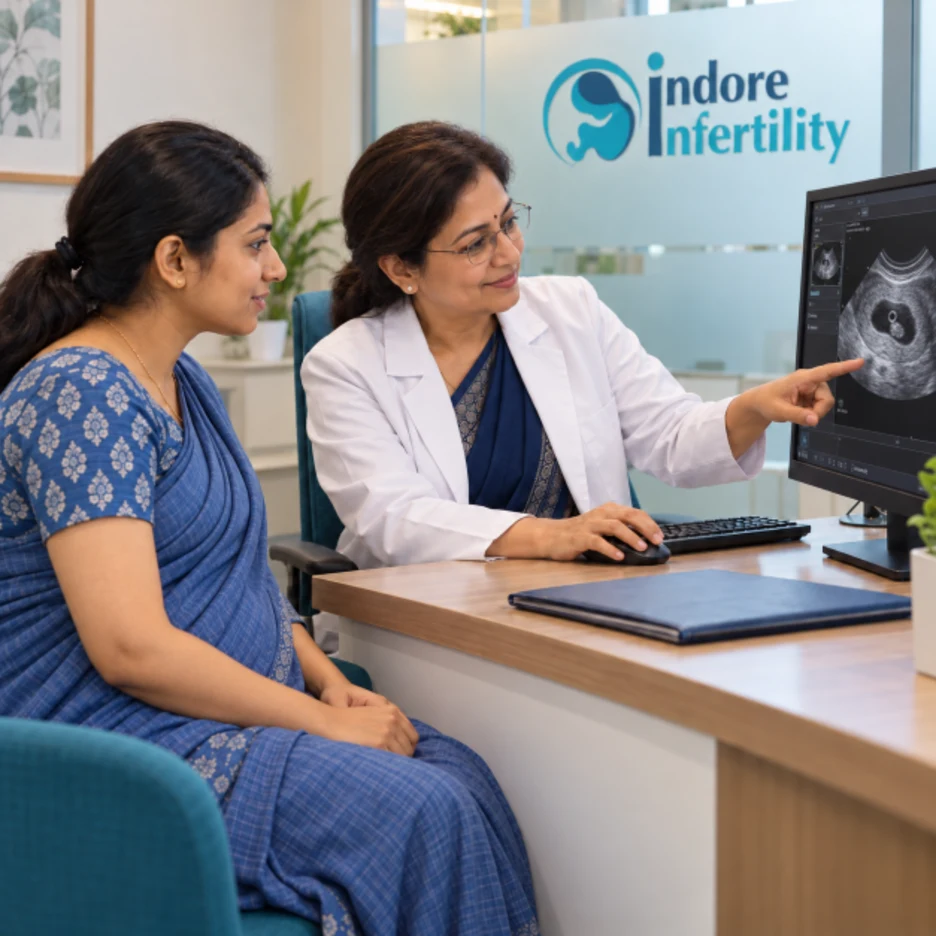
Care throughout your treatment
Embryos retain the reproductive age of the eggs used to create them. Pregnancy risks also depend on your health and age when pregnant.
An embryo may survive warming but fail to implant. Ask for live-birth estimates using embryos comparable to yours.
The number, developmental stage and quality of stored embryos influence the available transfer opportunities.
A cycle may yield no suitable embryo. Miscarriage or an unsuccessful transfer can still occur.
Request an itemised estimate for medicines, monitoring, collection, IVF or ICSI, freezing, storage, warming and future transfer.
Stimulation medicines, scans and blood tests.
Egg collection, fertilisation and embryo culture.
Vitrification, storage and renewal arrangements.
Embryo warming and frozen embryo transfer.
Important to know
Storage contracts and payments also need review.
Quick Reference
Discuss your fertility preservation plan with a specialist.
No. Embryos are already fertilised. Egg freezing stores unfertilised eggs and allows the sperm source to be chosen later.
No. Some embryos do not survive or are unsuitable for transfer after warming.
Not routinely. A known inherited condition may justify PGT-M. PGT-A is a separate decision and is not required for every patient.
Stimulation can cause discomfort and, occasionally, ovarian hyperstimulation. Egg collection carries small risks such as bleeding, infection or sedation complications.
Discuss the current permitted period, consent and renewal arrangements with your clinic. Storage contracts and payments also need review.
Sometimes. Remaining ovarian function and safe timing need specialist assessment. An early referral before treatment is preferable.
Request an itemised estimate for medicines, monitoring, collection, IVF or ICSI, freezing, storage, warming and future transfer.
Take the first step towards parenthood with compassionate care, expertise, and support tailored to your unique needs.