Low Ovarian Reserve
Low AMH or a low antral follicle count may mean fewer eggs per cycle. Pooling may be discussed, but low AMH alone does not make it necessary.

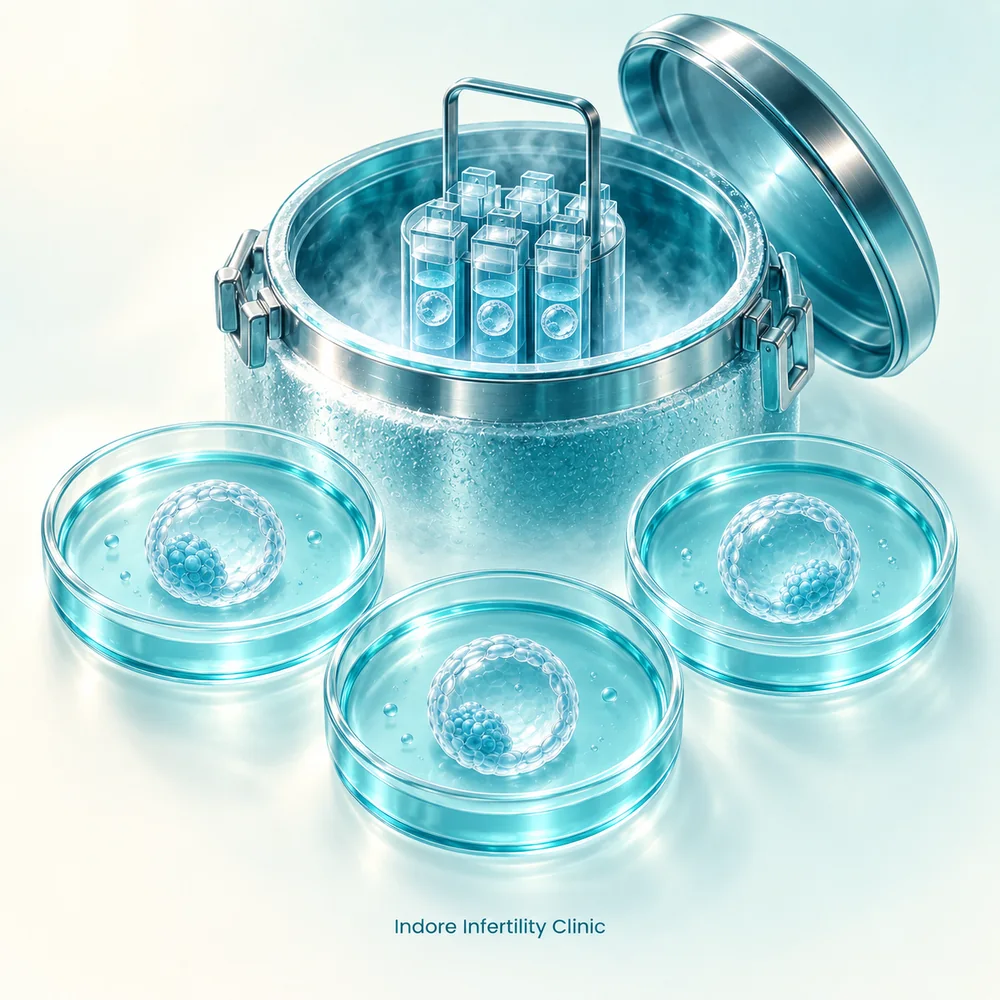
Embryo pooling is a fertility strategy in which embryos created during two or more IVF cycles are frozen and stored together for future use. This approach allows the fertility team to build a larger group of embryos before planning a frozen embryo transfer. The treatment plan may depend on factors such as age, ovarian response, embryo development and individual family goals. Embryos from each cycle are assessed and suitable embryos are preserved using established freezing techniques. Pooling may provide more embryos to consider when planning a future transfer. The number and quality of embryos available can vary from one IVF cycle to another, so the approach is personalised for each patient.
Low AMH or a low antral follicle count may mean fewer eggs per cycle. Pooling may be discussed, but low AMH alone does not make it necessary.
If a previous cycle produced few usable embryos, another collection may be considered. Using an embryo already available is also an option.
Some couples bank embryos before their first pregnancy. The decision depends on egg age, family plans and the embryos already stored.
Pooling may be discussed when few embryos are expected and genetic testing is indicated. It does not guarantee an embryo suitable for transfer.
Each collection is monitored. Embryo development guides what can be frozen.
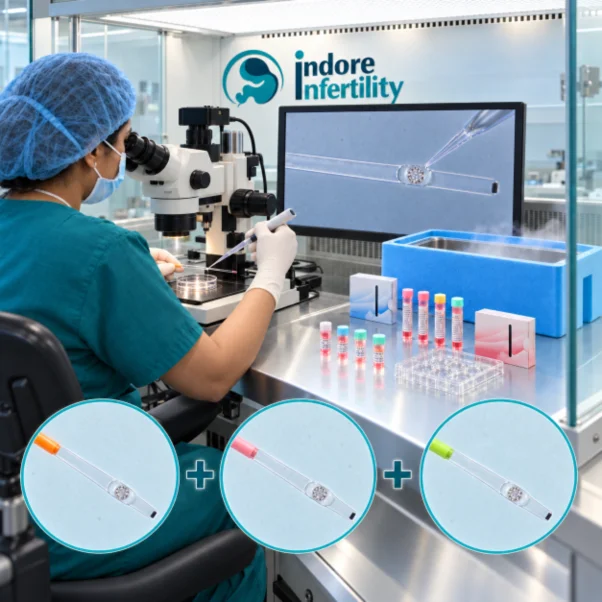
Ultrasound tracks follicle growth and helps plan egg collection.

Embryologists assess development before selecting embryos for freezing.
Bring AMH, ultrasound and previous embryology reports. Share your medicines and medical history.
Agree when to review the plan. There is no fixed embryo target for every patient.
Discuss repeat collections, recovery, freezing, storage and transfer charges.
Pooling involves repeat IVF treatment and later use of frozen embryos. Discuss the likely benefit, treatment risks and cost before starting.

Care throughout your treatment
Medicines can cause discomfort and ovarian hyperstimulation syndrome. Egg collection carries small risks of bleeding, infection and anaesthesia complications.
Some cycles produce no usable embryos. Some frozen embryos may not survive warming.
Repeat cycles add appointments, cost and emotional strain. Waiting to bank embryos can delay transfer.
Pooling does not mean transferring all embryos together. Single embryo transfer helps reduce twin and triplet pregnancies.
Alternatives: Consider transferring an available embryo or reviewing the need for another collection. Your plan does not need an arbitrary embryo target.
There is no single success rate for embryo pooling. It may create more transfer opportunities, but it has not been shown to improve live birth outcomes for everyone. Ask how banking compares with transferring the embryos you already have.
Egg age affects reproductive potential. Pooling cannot reverse age related changes in egg quality.
More suitable embryos may allow more transfer attempts. They do not guarantee a baby.
Embryo stage and quality guide selection. Appearance alone cannot confirm normal chromosomes.
The uterine cavity, relevant health conditions and transfer plan also matter.
The total depends on the number of cycles, medicines and storage period. Ask for a written estimate covering:
Stimulation medicines, scans and indicated blood tests for each cycle.
Ovum pick up, anaesthesia, IVF or ICSI, and embryo culture.
Vitrification, storage fees and renewals.
Embryo warming, lining preparation and transfer. PGT is extra if indicated.
Important to know
PGT is extra if indicated.
Quick Reference
For a personalised estimate, book a consultation.
No. Egg freezing stores unfertilised eggs. Embryo pooling stores embryos created after fertilisation.
No. Pooling means building your embryo inventory. Each embryo stays separately identified.
There is no fixed number. The plan is reviewed after each collection.
No. It aims to increase the number available. It does not correct embryo abnormalities.
It may allow more transfer attempts. Better live birth outcomes are not proven for every patient.
No. Transfer number is a separate decision. Single embryo transfer is often appropriate.
No. Genetic testing and two stimulations in one menstrual cycle are separate clinical decisions.
Yes. Discuss this with your specialist. Your health, available embryos and timing guide the decision.
Take the first step towards parenthood with compassionate care, expertise, and support tailored to your unique needs.