Ovarian Reserve
Endometriosis and endometriotic cysts may affect ovarian reserve in some patients.
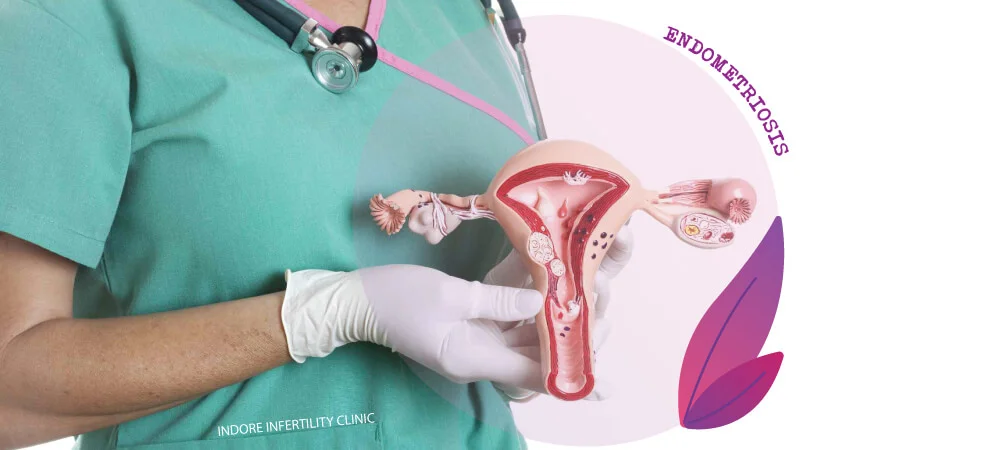
Endometriosis is a condition in which tissue similar to the lining of the uterus (endometrium) grows outside the uterus. This tissue may develop in areas such as the ovaries, fallopian tubes, bowel and other surrounding pelvic tissues. Although endometriosis is a benign, non-cancerous condition, it can invade and affect nearby organs and tissues. In some women, endometriosis may grow rapidly and spread extensively within the surrounding pelvic region, leading to inflammation, scarring and adhesions. The condition can vary significantly from one woman to another, and its symptoms and severity may also differ. Endometriosis can sometimes affect the normal functioning of the reproductive organs and may have an impact on fertility. Early evaluation and appropriate medical care can help manage the condition and address its possible effects on reproductive health.
Endometriosis can affect fertility in different ways. Early evaluation and an individualized treatment plan can help determine the most appropriate fertility treatment.
Endometriosis and endometriotic cysts may affect ovarian reserve in some patients.
Adhesions and changes around the fallopian tubes can affect their normal function.
Pelvic pain and other symptoms can vary depending on the extent of endometriosis.
Your fertility specialist can assess the severity of endometriosis and recommend an appropriate treatment plan.
The cost of endometriosis treatment depends on the individual diagnosis, investigations, medicines and whether surgical or fertility treatment is required.
Consultation and fertility evaluation.
Required diagnostic investigations.
Medical management and follow-up.
Surgical treatment when clinically indicated.
Additional fertility treatment such as IUI or IVF when required.
Important to know
The final cost varies according to the individual treatment plan and clinical requirements.
Quick Reference
Please refer to the clinic's Treatment Service Quick Reference Chart for current treatment cost details.
Find answers to common questions about endometriosis, symptoms, diagnosis, infertility, IVF, treatment and surgery.
No. Growth of endometriosis is promoted by cyclic hormones and therefore it is generally seen during the reproductive age group.
Endometriosis is a common condition among women of reproductive age and is also frequently associated with infertility.
Symptoms may include pelvic pain, painful periods, painful intercourse, pain during urination or bowel movements and other discomfort depending on the location and severity of the condition.
Diagnosis may involve medical history, clinical examination and investigations. Ultrasound can identify some endometriotic ovarian cysts, while laparoscopy may be used in selected cases.
Endometriotic cysts can develop when endometriotic tissue involving the ovary undergoes repeated cyclic bleeding and accumulation of blood within the cyst.
According to recent guidelines mentioned in the provided content, CA-125 must not be used to diagnose or track the progress of endometriosis.
Yes. Endometriosis may affect fertility through changes in pelvic anatomy, adhesions, tubal function and ovarian reserve.
Endometriosis may affect ovarian function and ovarian reserve in some patients. Your fertility specialist can evaluate your individual situation before planning IVF.
Treatment depends on symptoms, severity, age, fertility plans and individual clinical factors. Options may include medicines and, in selected cases, surgery.
Surgery may help selected patients, particularly when symptoms are severe or large endometriotic cysts are present. The decision should be individualized.
Take the first step towards parenthood with compassionate care, expertise, and support tailored to your unique needs.