Embryos from Previous IVF
Use suitable embryos stored after an earlier IVF or ICSI cycle.

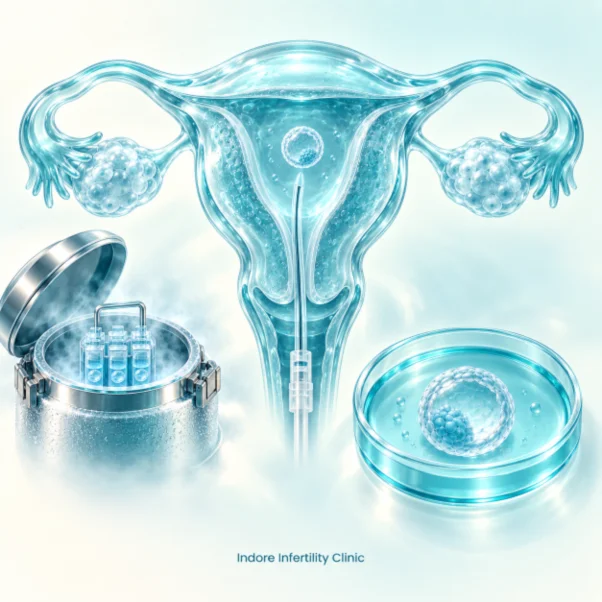
Frozen Embryo Transfer (FET) is an assisted reproductive treatment in which a previously frozen embryo from an earlier IVF or ICSI cycle is thawed and transferred into the uterus. Instead of undergoing another egg retrieval, the treatment uses an embryo that has already been created and stored in the fertility laboratory.Before the transfer, the uterine lining is carefully prepared to provide a suitable environment for embryo implantation. Depending on the individual treatment plan, this may be done through a natural cycle or with prescribed hormonal medication. The fertility team monitors the development and thickness of the endometrium and determines the appropriate timing for embryo transfer.
Use suitable embryos stored after an earlier IVF or ICSI cycle.
Transfer may be planned later when fresh transfer was deferred for clinical reasons.
Stored embryos may offer another treatment opportunity when you are ready for a sibling.
If genetic testing was indicated, a suitable embryo may be selected once the results are reviewed.
The timing depends on your cycle, the uterine lining and the embryo stage.
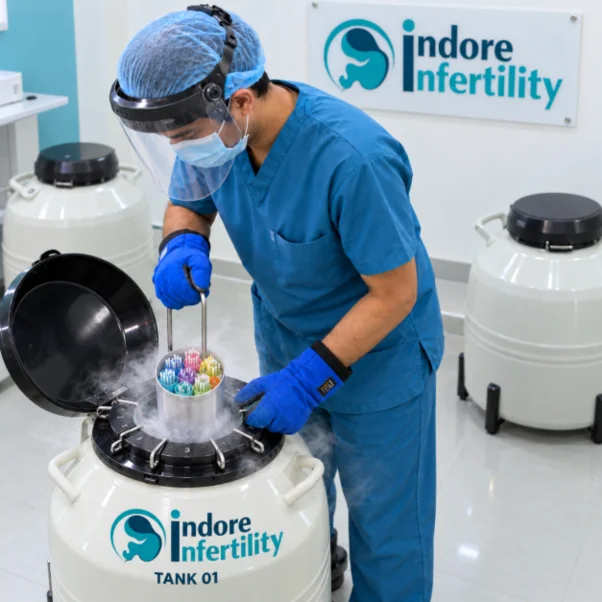
Ultrasound checks the uterine lining. Ovulation or hormone timing guides the transfer date.
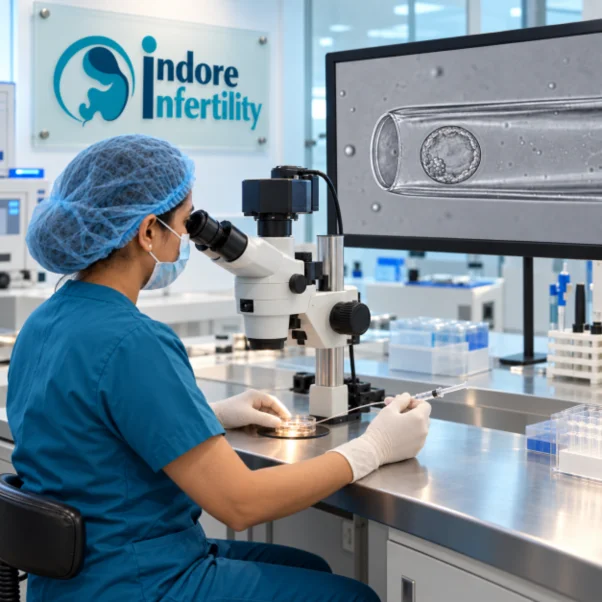
The embryologist assesses the warmed embryo and prepares it for transfer.
Your own ovulation guides the timing. Scans and hormone tests may be used. A trigger or progesterone may be advised.
Oestrogen prepares the lining. Progesterone is started at a planned time to match the embryo stage.

Care throughout your treatment
Some embryos do not survive warming. Occasionally, transfer cannot go ahead.
Transfer may be postponed if lining development, ovulation or hormone timing is unsuitable.
FET does not guarantee pregnancy. Miscarriage and ectopic pregnancy can still occur.
Transferring more than one embryo increases twin risk. Single embryo transfer helps reduce this risk.
There is no single FET success rate for everyone. Your embryo records and treatment history help estimate your chance. Ask about live birth per transfer and the chance across your stored embryos.
The age of the egg provider when eggs were collected affects embryo potential.
Embryo stage, development and quality help guide selection for transfer.
Relevant uterine conditions and your overall health influence treatment planning.
Transfer is coordinated with ovulation or progesterone exposure. Follow the prescribed schedule.
Costs depend on the preparation method, medicines and laboratory plan. Ask for a written estimate covering:
Review, ultrasound and indicated blood tests.
Lining preparation and hormone support as prescribed.
Laboratory preparation and the transfer procedure.
Storage renewals, pregnancy testing and follow-up visits.
Important to know
Costs depend on the preparation method, medicines and laboratory plan.
Quick Reference
Book a consultation for your personalised FET estimate.
No. FET uses embryos already stored from a previous IVF or ICSI cycle.
No. A fresh transfer uses an embryo from the current IVF cycle. FET uses a previously frozen embryo.
Preparation often takes a few weeks. The timing depends on your cycle, medicines and monitoring.
The procedure is usually brief. You may feel mild discomfort. Anaesthesia is not usually needed.
The number is agreed before transfer. Single embryo transfer is often advised to reduce twin risk.
Yes. Walking and emptying your bladder do not make the embryo fall out. Strict bed rest is unnecessary.
Use the date given by your clinic, often around two weeks after transfer. Testing early can mislead.
No. The choice depends on your clinical situation. FET is not automatically the best option for everyone.
Take the first step towards parenthood with compassionate care, expertise, and support tailored to your unique needs.