OGTT Protocol
You drink a measured glucose solution, then timed blood samples show how your body handles it.


Gestational diabetes (GDM) is high glucose first diagnosed during pregnancy. It often has no obvious symptoms, so testing matters. At Indore Infertility Clinic, care brings together glucose testing, nutrition, home monitoring and treatment when needed. Our structured management protocol combines regular HbA1c/blood sugar tracking, personalized clinical nutrition counseling, self-monitoring guidance, and safe medical interventions—including insulin management when required—to ensure optimal glycemic control, prevent fetal complications, and protect both maternal and baby health throughout your pregnancy journey.
A glucose tolerance test can detect pregnancy diabetes even when you feel well, allowing treatment to start early.
You drink a measured glucose solution, then timed blood samples show how your body handles it.
A commonly used fasting protocol checks blood before the drink, then at 1 and 2 hours.
Testing is commonly arranged at 24-28 weeks, while earlier assessment may be advised for risk factors.
Usually fast for at least 8 hours for a fasting OGTT, with plain water allowed and lab instructions followed.
Fasting and post-meal readings help follow daily control, while HbA1c reflects longer-term glucose.
Blood or urine ketones may be checked if you are unwell or glucose is markedly high.
Learn the technique, track patterns, and share your records with your clinical care team.

Check before breakfast, following the fasting schedule advised by your healthcare team.
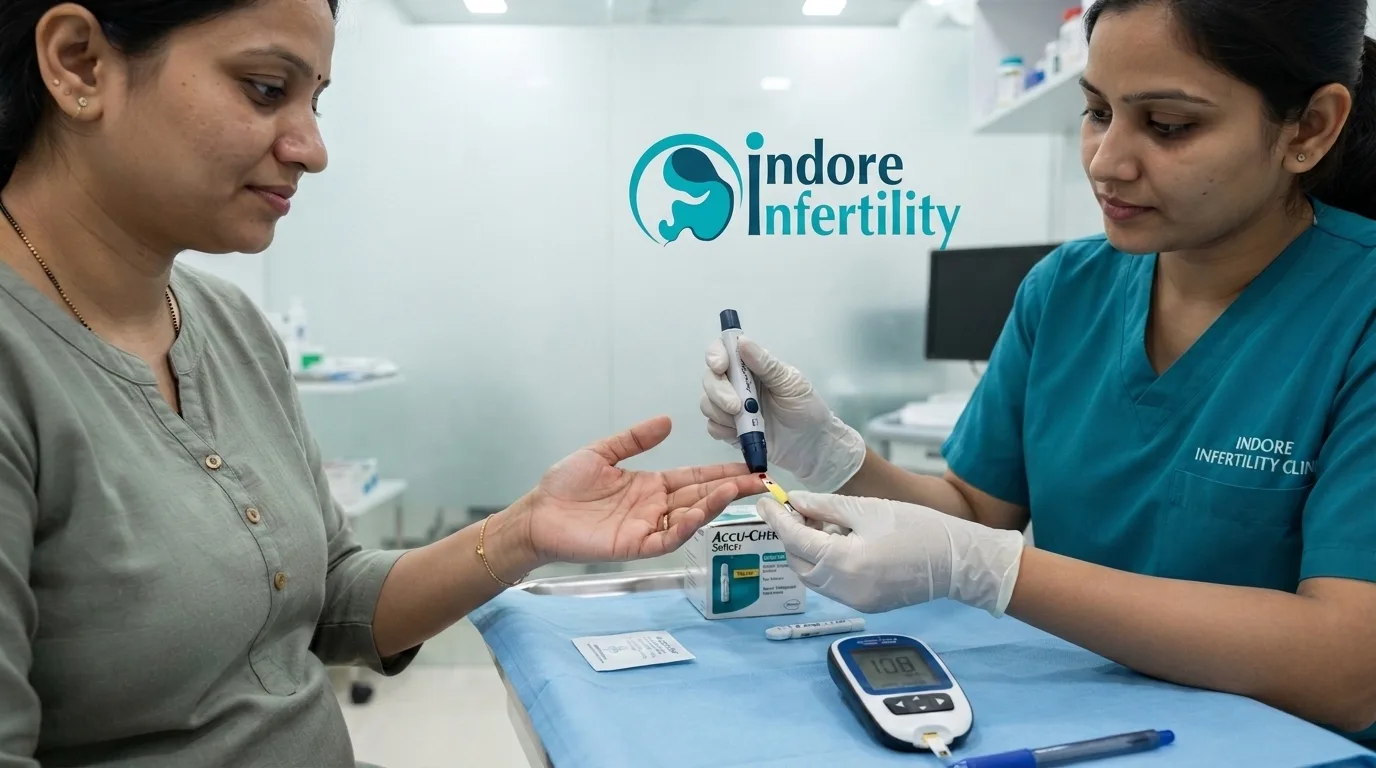
Check 1 or 2 hours after starting a meal, as instructed, using the same timing each day.
Wash and dry hands, insert a fresh strip, use the lancing device, apply blood drop, and record reading.

Fasting below 95 mg/dL; 1 hour post-meal below 140 mg/dL; or 2 hours post-meal below 120 mg/dL (confirm personal targets).
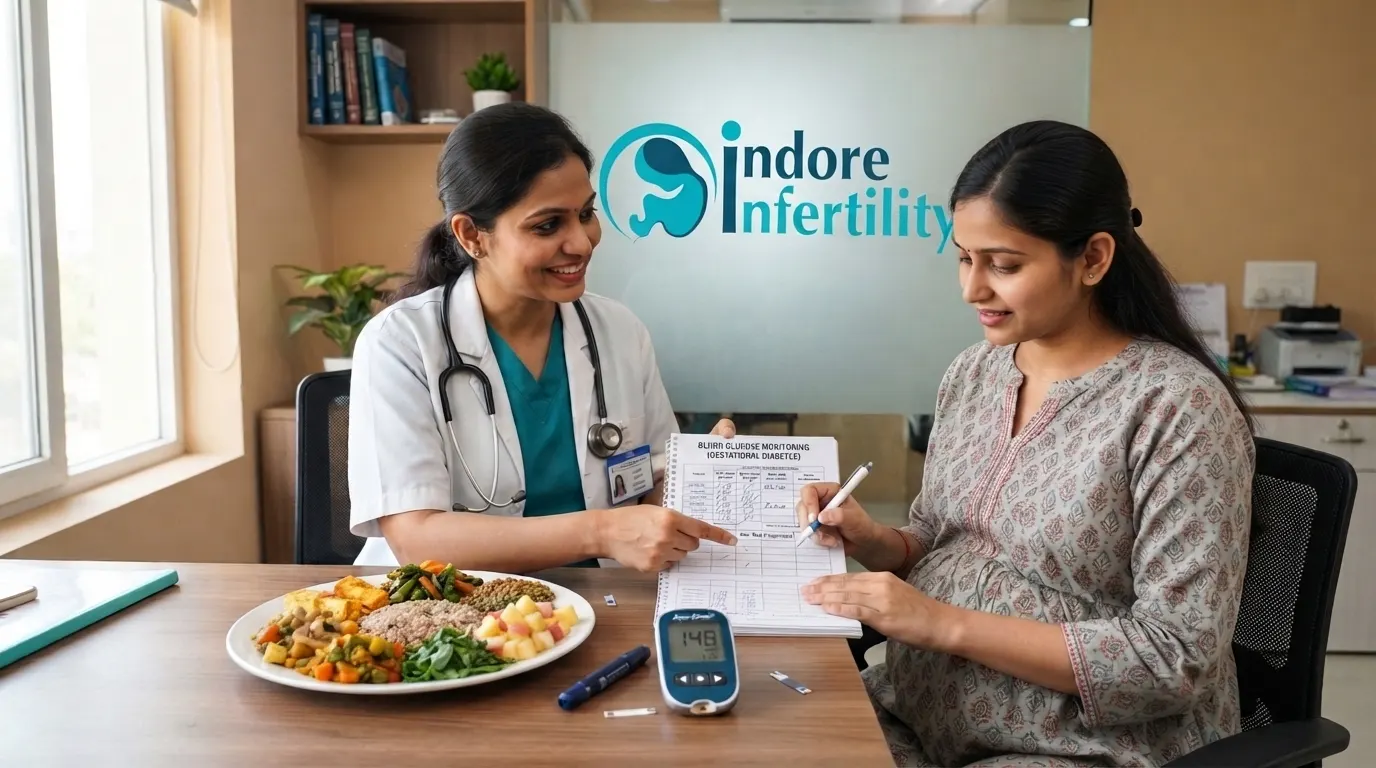
Food choices, portions and meal timing help control glucose while keeping mother and baby well nourished.
A nutritionist or dietitian can adapt Indian meals, vegetarian preferences, appetite and daily routine.
Distribute roti, rice and other carbohydrates through the day, pairing meals with vegetables and proteins like dal, paneer or eggs.
Prefer water to sweetened drinks, discuss fruit portions and snacks, and avoid crash diets or cutting out all carbohydrates.
Regular gentle activity or a walk after meals can help glucose control if your clinician agrees.
Keep your team's contact details accessible and report critical symptoms right away.

Severe symptoms require urgent medical assessment.
Report blood glucose levels that remain consistently above target ranges.
Note and report episodes of recurring hypoglycemia or low sugar symptoms.
Inability to retain food or fluids requires prompt clinical consultation.
Severe drowsiness, confusion, or signs of dehydration need immediate emergency care.
Breathing problems or reduced fetal movements call for urgent medical assessment.
Follow your written low-glucose plan if you use insulin.
Combining food, activity, regular glucose reviews, fetal monitoring, and postpartum diabetes testing.
Insulin or selected oral options like metformin may be used when lifestyle changes are not enough.
Ultrasound checks growth and amniotic fluid, alongside non-stress tests when indicated.
Plan birth timing, mode, labour glucose management, and early newborn glucose checks.
Arrange a 75 g OGTT at 4-12 weeks after birth and continue periodic screening for type 2 diabetes risk.
Understanding appointment fees, consultation inclusions, and monitoring expenses in Indore.
Inquiries cover GDM care packages and nutritionist appointment fees.
Confirm what each clinical and dietary consultation includes.
Factor in home monitoring glucometer supplies and test strips.
Contact Indore Infertility Clinic directly for current fee structures.
Transparent Support
Call or WhatsApp our clinic with your pregnancy week and GDM reports for fee guidance.
Quick Reference
Request custom estimates for diabetes care and nutrition consultations.
Find clear answers regarding GTT testing, diet restrictions, insulin safety, and postpartum care.
Gestational diabetes often has no obvious symptoms. A GTT checks your response to glucose and can detect a problem that a single routine sugar reading may miss.
No. Pregnancy-related insulin resistance can increase later. Your clinician may repeat testing at 24-28 weeks even if an earlier result was normal.
It depends on the prescribed protocol. A fasting OGTT usually needs at least 8 hours without food; some Indian protocols allow non-fasting testing. Confirm instructions when booking.
Some women meet their targets with nutrition and activity changes, while others need medicines. Your readings and pregnancy findings determine what is appropriate.
Usually, no. The amount, type and timing matter. A nutritionist can help plan portions and balanced meals without skipping food groups.
Insulin is commonly used in pregnancy and does not cross the placenta in meaningful amounts. When prescribed, it helps control glucose and reduce risks from high sugar.
High glucose can cause excess growth and low newborn glucose after birth. Management reduces these risks, and birth timing depends on control and obstetric findings.
It often resolves, but diabetes can persist and future type 2 diabetes risk remains higher. Keep postpartum test and screening appointments even if you feel well.
Take the first step towards parenthood with compassionate care, expertise, and support tailored to your unique needs.