Chronic Hypertension
High blood pressure present before pregnancy or detected before 20 weeks. Pre-eclampsia can develop on top of it.

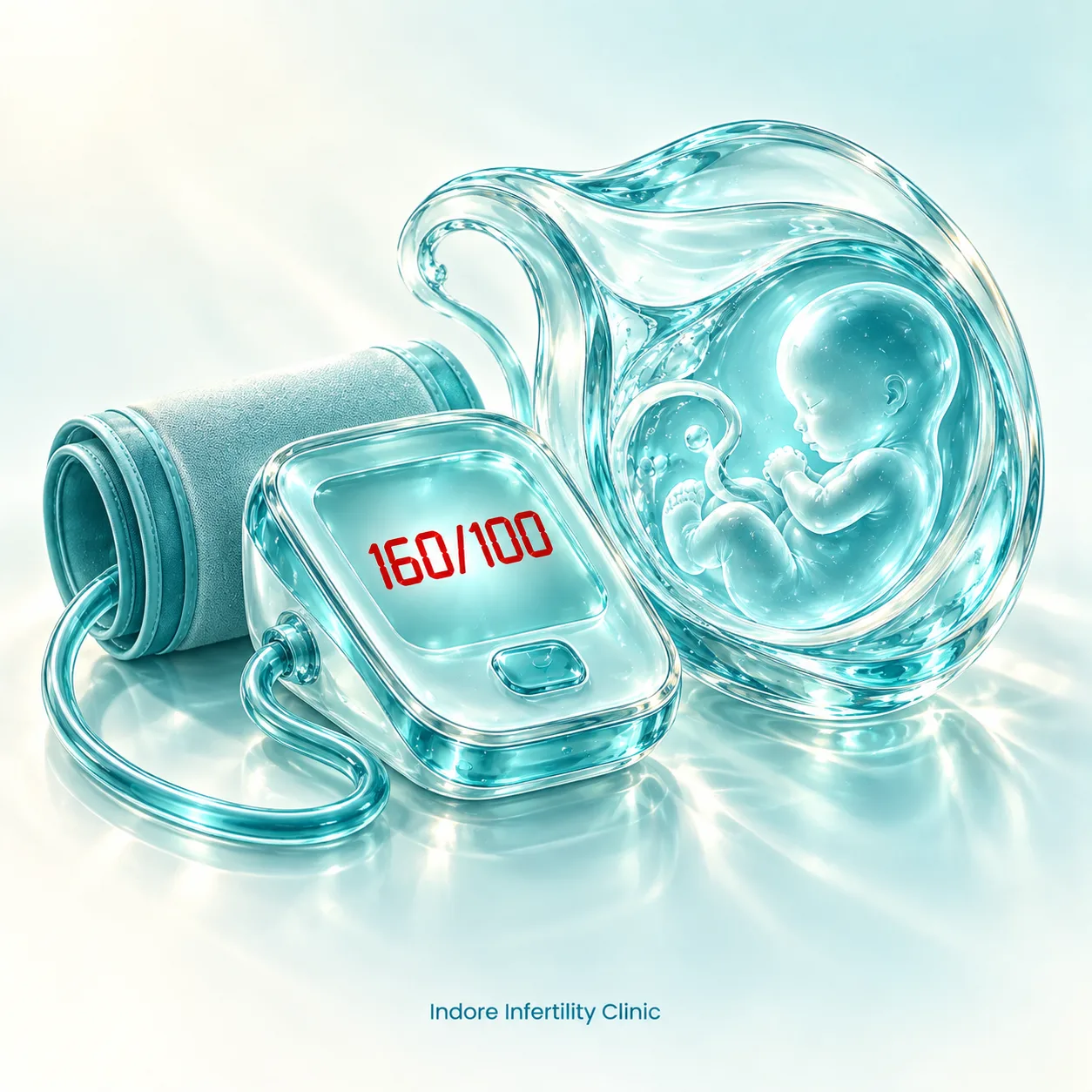
High blood pressure can develop without symptoms. Regular assessment helps identify concerns for mother, placenta and baby. At Indore Infertility Clinic, care includes BP review, investigations, fetal monitoring and treatment or hospital referral when needed. Our dedicated hypertension protocol emphasizes vigilant blood pressure tracking, early screening for pre-eclampsia markers, routine urine protein analysis, and targeted Doppler scans to assess placental blood flow. By combining timely pharmacological management with close fetal wellbeing surveillance, we strive to prevent complications and safeguard the health of both mother and child throughout the pregnancy.
The diagnosis matters because chronic hypertension, gestational hypertension and pre-eclampsia need different assessment and follow-up.
High blood pressure present before pregnancy or detected before 20 weeks. Pre-eclampsia can develop on top of it.
New high blood pressure after 20 weeks without evidence of pre-eclampsia at assessment. Requires follow-up.
Usually develops after 20 weeks with high BP and urine protein or other organ/placental concerns.
Previous pre-eclampsia, chronic hypertension, kidney disease, diabetes, twins, higher BMI and family history increase risk.
May be prescribed after a risk review, often starting from 12 weeks for selected pregnancies.
Balanced nutrition, calcium if intake is low, and regular moderate activity support prevention when safe.
Assessment combines BP, symptoms, urine and blood results with fetal findings.
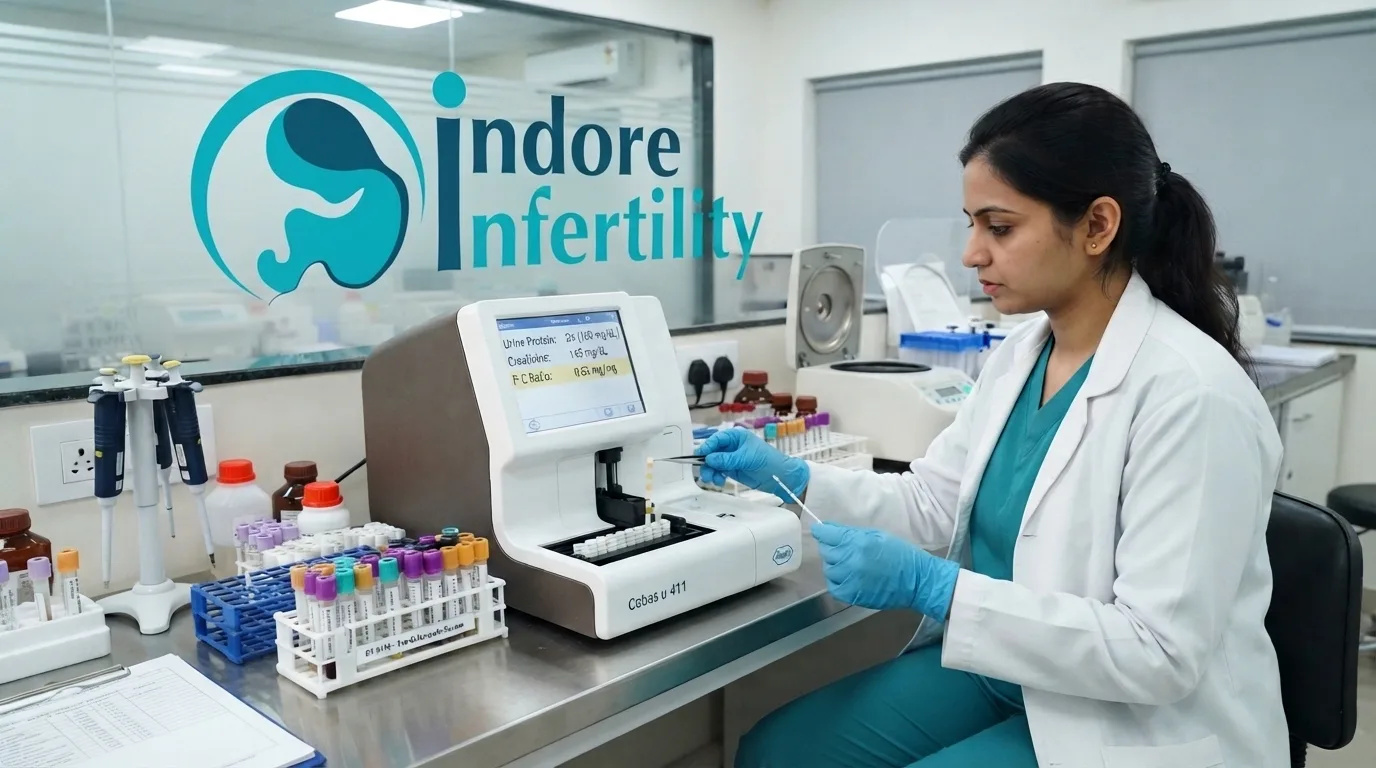
Dipstick screens for protein, while protein-to-creatinine ratio (PCR) or ACR may measure it more accurately.
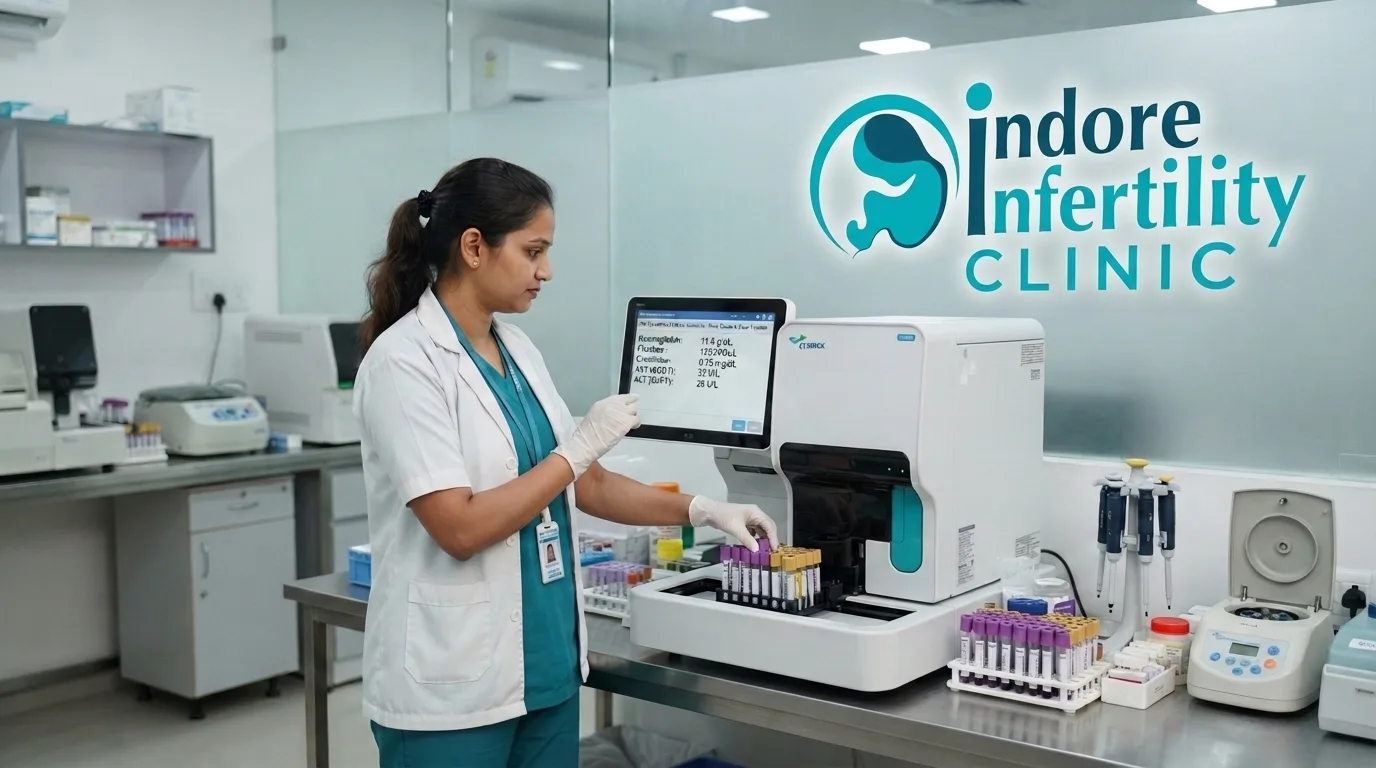
Checks haemoglobin, platelets, kidney function (creatinine), and liver enzymes.

Assesses growth, amniotic fluid, and blood flow in the umbilical cord to evaluate placental function.
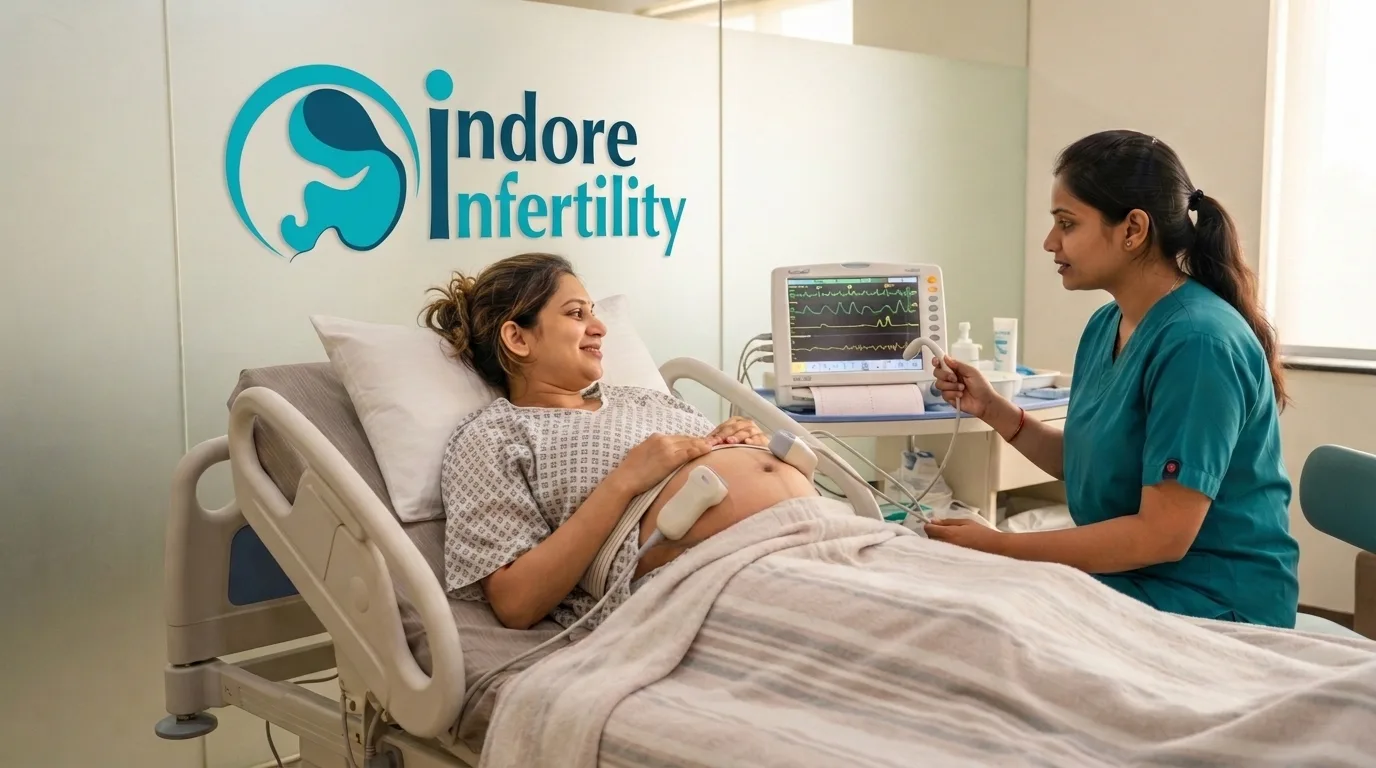
Non-stress tests check fetal heart rate patterns when appropriate for clinical findings.
Choose an upper-arm device validated for pregnancy with a fitting cuff and follow a reliable routine.
Empty bladder, avoid caffeine/exercise for 30 mins. Sit with back supported, feet flat, and cuffed arm at heart level.
Wait at least 1 minute between measurements using the same arm.
Top number 140+ or bottom number 90+ mmHg. Rest and repeat; contact team the same day if still raised.
Top number 160+ or bottom number 110+ mmHg. Seek urgent hospital assessment immediately even without symptoms.
Warning symptoms need urgent assessment during pregnancy and after birth.

Seek immediate hospital care for severe symptoms even if home BP looks normal.
Intense headaches that do not resolve require immediate hospital evaluation.
Visual disturbances or blurring are critical warning signs.
Severe pain in the upper abdomen must be assessed urgently.
Marked swelling accompanied by feeling generally unwell requires prompt care.
Breathlessness or any seizure activity demands immediate emergency intervention.
Do not delay care or wait for a reply when severe symptoms occur.
Coordinating pregnancy-suitable medicines, hospital care when needed, birth timing, and postpartum BP management.
Clinicians choose treatment and adjust doses based on BP and clinical findings.
Severe disease may need admission, urgent BP treatment and magnesium sulfate.
Guided by pregnancy weeks, maternal condition, and fetal wellbeing.
Early BP checks, medicine review, and a follow-up around 6-8 weeks after birth.
Transparent guidance on consultation fees, separate lab tests, and scan costs.
Call or WhatsApp with your pregnancy week, BP record, medicines, and reports.
Inquire about consultation fees and separate lab or scan costs.
Care plans are tailored to individual clinical requirements.
Seek hospital care directly for urgent symptoms or severe BP.
Patient Support
Contact Indore Infertility Clinic for appointment bookings and cost inquiries.
Quick Reference
Call or WhatsApp to book pregnancy blood pressure care and consultations.
Find answers regarding pre-eclampsia symptoms, urine protein, aspirin, and delivery planning.
Yes. Routine BP and urine checks may identify concerns before you feel unwell. Keep scheduled reviews even if you have no symptoms.
No. Diagnosis considers repeat BP measurements, urine, blood tests and clinical findings. A severe reading still needs urgent assessment.
Yes. It can be diagnosed when high BP is accompanied by other organ or placental findings. A normal urine result alone does not rule it out.
No. IVF is considered with other risk factors. Aspirin is prescribed after an individual assessment of benefit, suitability and timing. Do not start it yourself.
It can affect placental function and slow growth. Growth, fluid, Doppler and fetal heart rate checks help assess wellbeing and guide the care plan.
No. Timing and mode depend on your BP, pregnancy stage and maternal and fetal findings. Severe pre-eclampsia can make earlier delivery necessary.
Regular moderate activity can help when it is safe for your pregnancy. With high BP or pre-eclampsia, get individual advice. Exercise does not replace medicines, monitoring or urgent care.
Yes, it can first appear or continue in the weeks after birth. Keep postpartum BP reviews and seek urgent care for warning symptoms.
Take the first step towards parenthood with compassionate care, expertise, and support tailored to your unique needs.