01
Uterine Cavity Evaluation
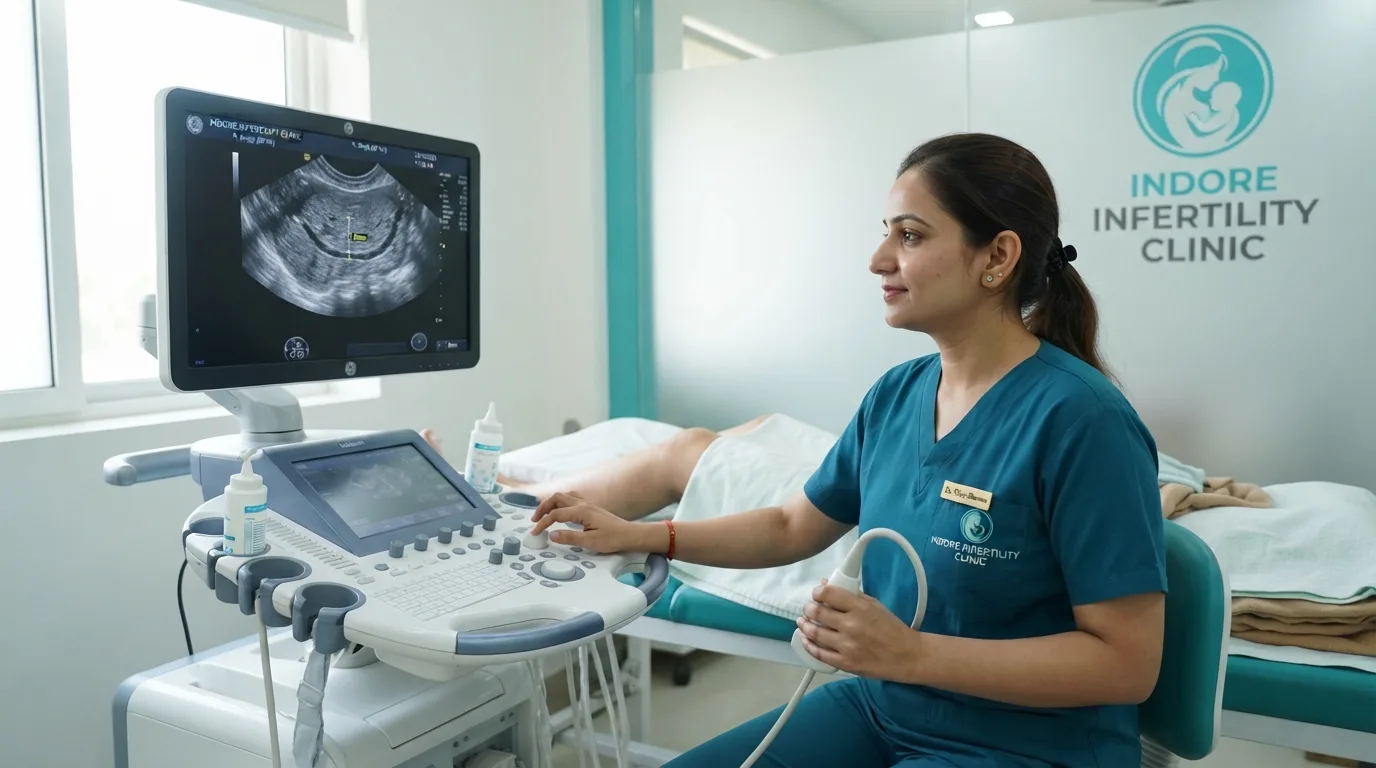
Hysteroscopy or specialized ultrasounds ensure the uterine lining is free from polyps, fibroids, or abnormalities.


IVF with donor oocytes (egg donation) is an advanced assisted reproductive procedure where eggs are collected from a carefully screened healthy donor, fertilised with partner or donor sperm in the specialized IVF laboratory, and the resulting embryos are transferred into the intended mother's or surrogate's uterus. This treatment offers high success rates for women with diminished ovarian reserve, premature ovarian failure, or genetic conditions, enabling them to experience pregnancy and parenthood.The donor eggs undergo thorough screening to help assess their quality and suitability before fertilisation. The treatment plan is personalised according to the recipient’s medical history, uterine health, and fertility needs to support the best possible outcome.
Egg donation is a fertility treatment where a woman, known as the donor, provides her eggs to help another individual or couple conceive a child. These donated eggs are typically used in IVF procedures, where they are fertilized with sperm in a laboratory and then implanted into the recipient’s uterus. This process offers hope to individuals or couples facing infertility issues, allowing them to experience pregnancy and childbirth. It’s a generous and life-changing act that brings the gift of parenthood to those in need.
Egg donation is needed for patients who either have no or few eggs, or who based on previous failed treatments have eggs that are of poor quality. Most commonly this is due to premature menopause, menopause or advanced maternal age.
The primary indication for egg donation was originally for women with premature ovarian failure (POF), defined as menopause occurring before the age of 40 years. POF affects approximately 1% of the female population; in effect, this condition indicates depletion of a woman’s own eggs and cessation of ovarian function. Other potential candidates for egg donation include:
A comprehensive medical evaluation ensures the recipient's uterus is healthy and primed to receive the donor embryo.
Hysteroscopy or specialized ultrasounds ensure the uterine lining is free from polyps, fibroids, or abnormalities.
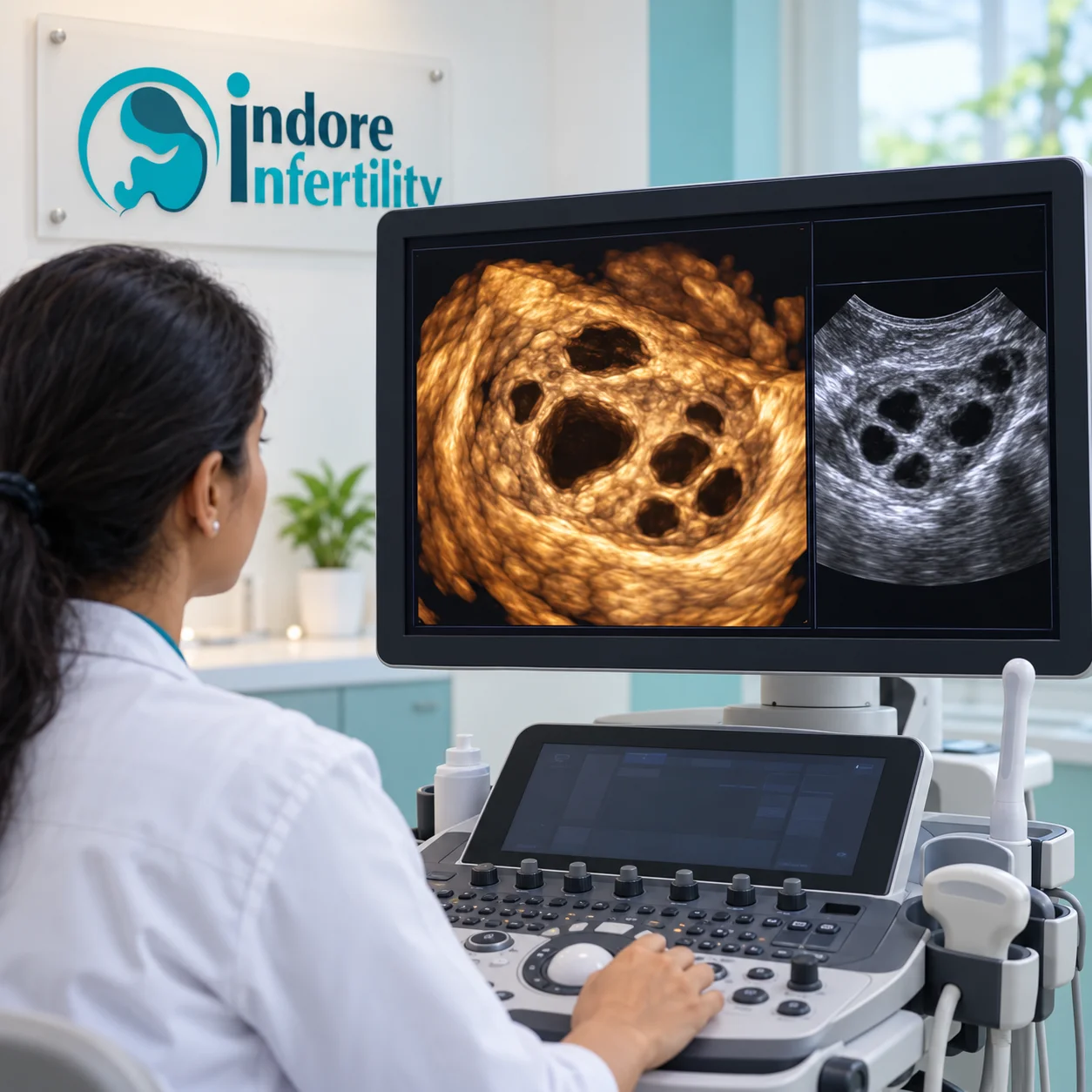
Serial ultrasound scans track hormone-driven lining thickness to find the exact window for transfer.
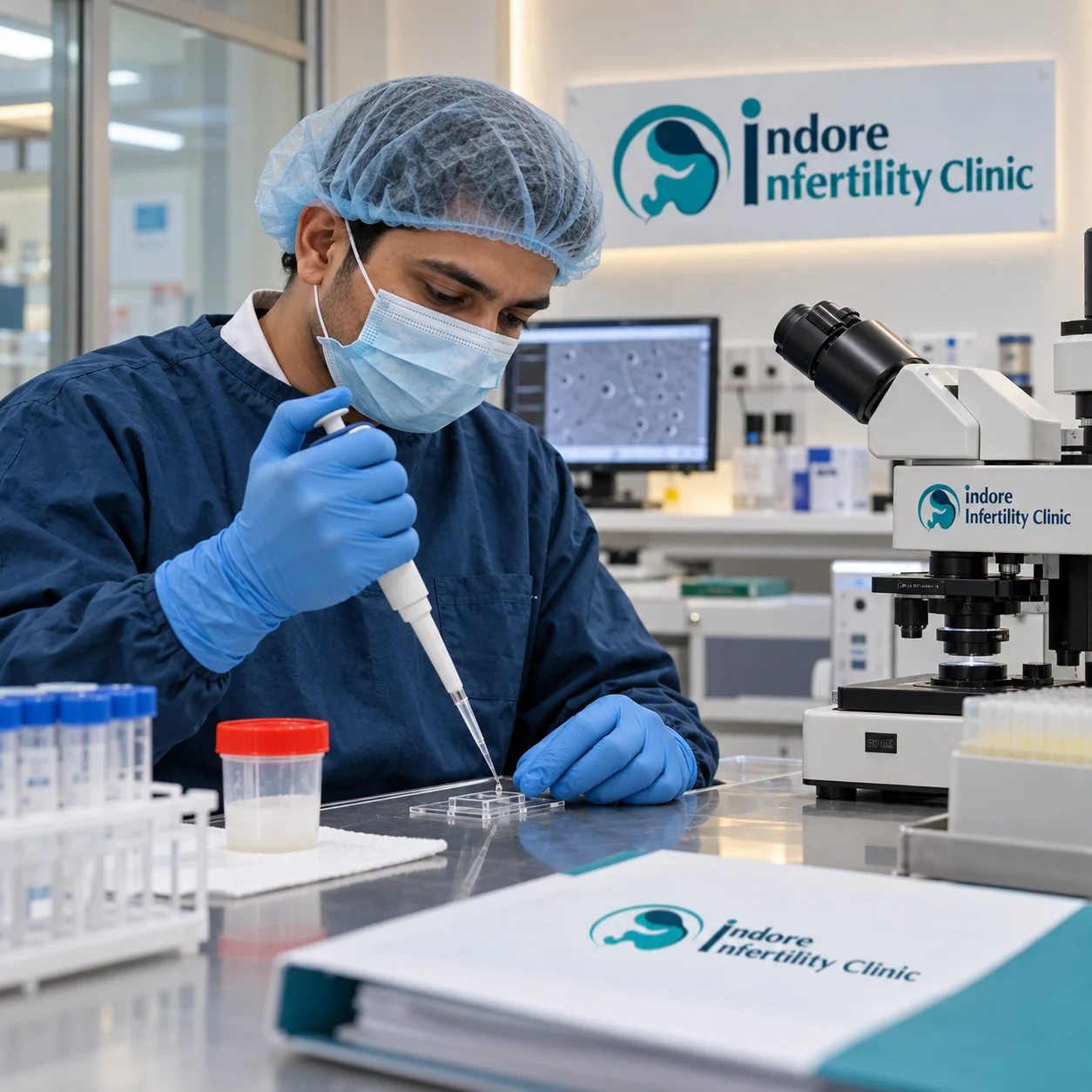
Evaluates sperm quality, count, and motility to plan optimal conventional insemination or ICSI fertilization.
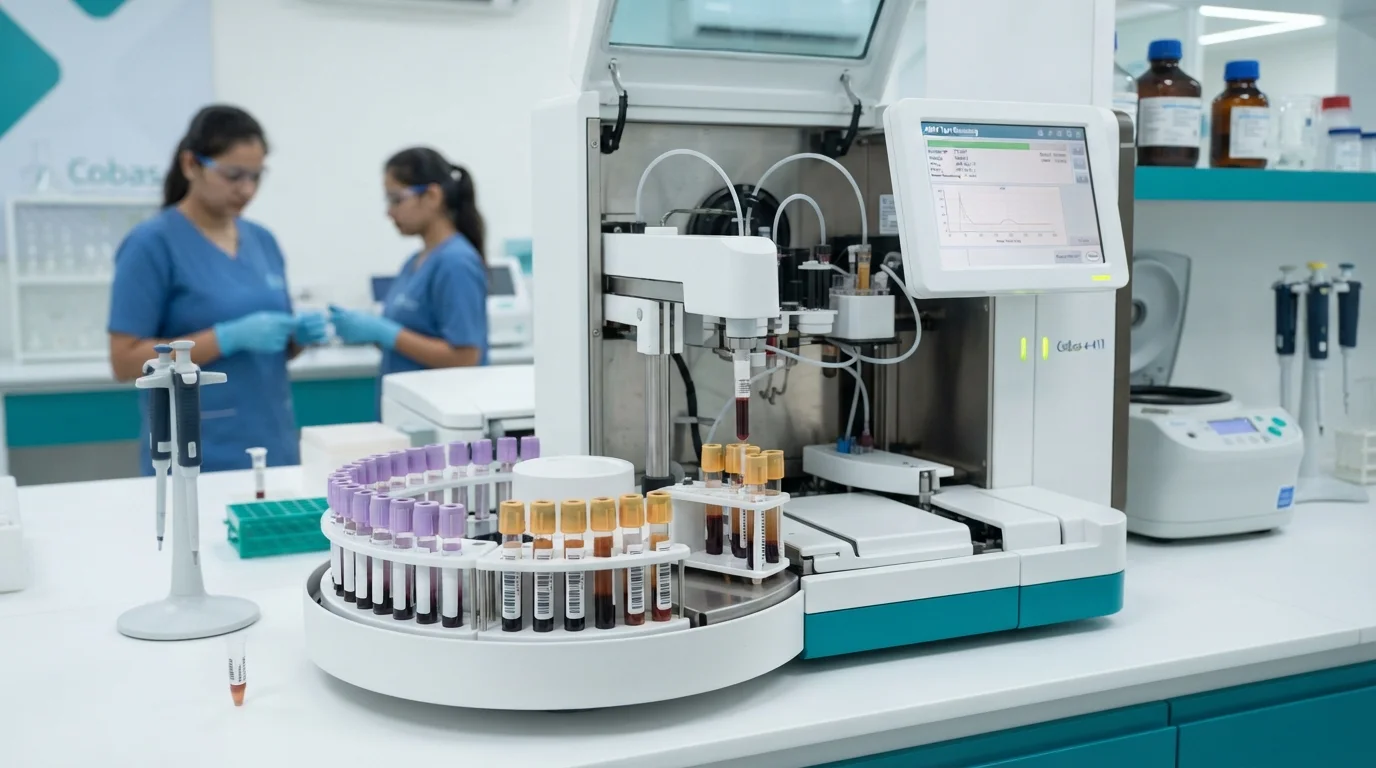
Mandatory blood panels and viral screenings for both partners prior to initiating the cycle.
During an IVF Cycle with Egg donation, the Egg donor is stimulated so that her ovaries produce multiple eggs. On the day of Ovum Pickup, the male partner provides his sample so that the retrieved donor eggs can be fertilized with his sperms.
The female partner is given medication to prepare her endometrium lining for undergoing Embryo Transfer during this cycle. Depending on the stage of embryo, the Embryo Transfer will occur 4 to 6 days after the Donor oocyte retrieval.
In the first phase, Ovarian Stimulation, donors receive a series of hormonal drugs which cause the ovaries to produce multiple mature eggs during one menstrual cycle.
Because donor eggs come from young and fertile women, success rates for donor-egg IVF can be as much as two or three times higher than with regular IVF in women ages 40 and older.
Also for females who cannot produce an egg due to Premature Ovarian Failure, Donor eggs give them a chance to become pregnant and breast feed like any other mother would.
Donor Eggs involve fertilization using your Husband’s sperms, hence making the child 50% genetically related to the couple.
The risks to the donor are considered to be minimal and short-term. Risks include the possibility of small amount of bleeding or pelvic infection (less than a 1% chance). Equally, there is a 1% – 2% risk of excessive ovarian stimulation (too many eggs being produced) despite careful monitoring. In such a case, the donation cycle will probably be abandoned and treatment would be commenced to regularize your menstrual cycle.
The success rate of IVF with Donor Eggs depends on multiple factors.
Typically with donor eggs and embryos, you’ll have about a 60 percent chance of giving birth to a child.
Ironically, the most important factor that impacts the success rate of IVF cycle with Donor Eggs is the quality of the Donor eggs.
Donors are usually females who are much younger in age and have had healthy children before. However even with the best intention in mind, IVF Clinics cannot foresee the quality of egg that will be retrieved from the donor during an IVF Cycle. Sometimes the egg quality is not optimum and this may result in poor quality of Embryos.
If you are undergoing IVF with Donor eggs and the quality of the Embryos is not optimum, you may ask the IVF Clinic to recruit another donor so that only a healthy and good quality embryo is transferred. This will add upon to the Donor cost, but it will ensure high rates of success.
Another factor that impacts the quality of embryo formed is the IVF lab capabilities. If the IVF Lab environment is not upto date, then the resulting embryo may be impacted. Unfortunately there is no way to know the IVF Lab capabilities from outside. A good Embryologist usually gives the best IVF success rate at any IVF Lab. So if in doubt, request meeting with the Embryologist.
The cost of Donor eggs varies largely between clinics. The cost is completely dependent on availability of oocyte donors that match your profile. However at our Clinic we have tie up with registered ART Banks who have a quick turn around time in providing oocyte donors.
The cost of IVF with donor eggs is usually high because of the following factors that add upon to the cost:
Find clear answers regarding egg donor selection, procedure safety, legal confidentiality, and success rates.
It is an assisted reproductive procedure where eggs from a screened donor are fertilised with partner sperm in the lab, and the resulting embryo is transferred to the recipient's uterus.
It is recommended for women with diminished ovarian reserve, premature ovarian failure, advanced maternal age, poor egg quality, or previous repeated IVF failures.
Donors undergo strict medical, genetic, psychological, and infectious disease screenings to ensure optimal health and high reproductive potential.
Yes. Strict legal and medical confidentiality protocols protect the identities of both the donor and the recipient family.
Since donor eggs are used, the child will not share the intended mother's genetic material. However, if partner sperm is used, the child shares genetic ties with the father. The mother carries and nurtures the pregnancy.
Donor oocyte IVF has high success rates, typically ranging between 60% to 70% per transfer cycle, largely due to the young age and health of the donors.
The recipient takes hormone medications (estrogen and progesterone) to build and thicken the endometrial lining so it is perfectly synchronized for embryo transfer.
Yes, clinics can utilize either fresh donor cycles or vitrified (frozen) donor eggs from certified cryobanks depending on patient preference and availability.
A cycle typically takes around 4 to 6 weeks from the start of uterine preparation and donor synchronization to the embryo transfer procedure.
You can schedule a private consultation with our fertility specialists to discuss your medical history, explore donor matching options, and plan your treatment journey.
Take the first step towards parenthood with compassionate care, expertise, and support tailored to your unique needs.