
01
Laser Assisted Hatching
Controlled Opening in the Zona Pellucida

For an embryo to attach to the wall of the womb, it needs to break out or 'hatch' from its outer protective layer called the zona pellucida. Laser Assisted Hatching (LAH) is a laboratory procedure in which a small opening is created or the zona pellucida is thinned using a laser before embryo transfer during an Assisted Reproductive Cycle such as IVF or ICSI. The procedure is performed by trained embryology specialists under controlled laboratory conditions and is considered selectively according to embryo characteristics and the patient's fertility treatment history.
In order for an embryo to attach to the wall of the womb, it has to break out or ‘ hatch ’ from its outer layer called the ‘ zona pellucida ’.
It has been suggested that making a hole in or thinning this outer layer may help embryos to ‘hatch’, increasing the chances of the pregnancy during an Assisted Reproductive Cycle like IVF/ICSI.
Assisted Hatching is a laboratory procedure performed mostly on cleavage stage embryos (Day 3 of In Vitro development) before being transferred back to the patient’s womb.
The embryo is examined under a microscope in the IVF laboratory. A precise laser is used to create a small opening or thin a selected area of the zona pellucida before the embryo is transferred back to the uterus.
Controlled Opening in the Zona Pellucida
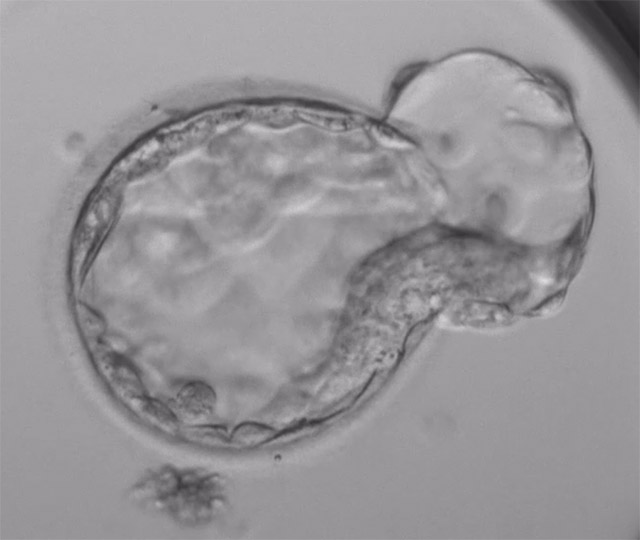
Embryo Emerging Through the Zona
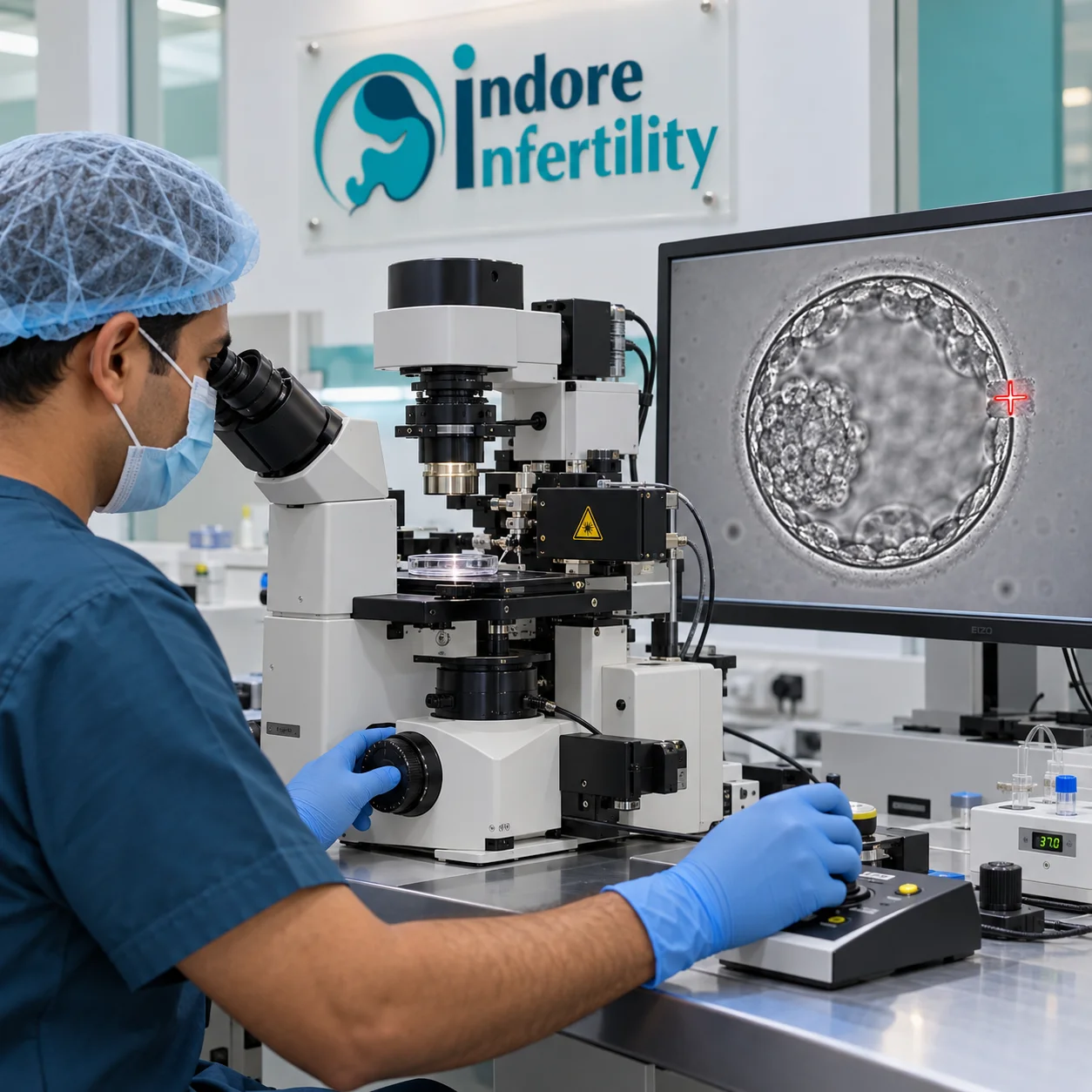
Precise Laser Application
Find answers to common questions about Laser Assisted Hatching, its purpose, indications, procedure, safety and embryo transfer.
Laser Assisted Hatching (LAH) is a laboratory procedure in which a small opening is created or the outer layer of an embryo, called the zona pellucida, is thinned using a laser. The aim is to help the embryo hatch before implantation.
Before an embryo can attach to the wall of the womb, it needs to break out or 'hatch' from its outer protective layer called the zona pellucida.
The clinic states that assisted hatching is performed during an IVF or ICSI cycle while the embryo is in the laboratory, mostly on cleavage-stage embryos, typically Day 3 of in-vitro development.
The clinic lists advanced maternal age above 37, elevated Day-3 FSH, thick or abnormal zona pellucida, poor or slow-developing embryos, excessive embryo fragmentation, two or more previous failed IVF cycles and frozen-thaw embryo transfer cycles among possible indications.
Before embryo transfer, a few laser pulses are applied to the zona pellucida to create a small opening or thin the outer shell. The clinic states that the laser is fired away from the embryo's cells to avoid damaging them.
The clinic states that the procedure takes only a few seconds to complete per embryo, helping minimise the time the embryo is exposed outside the incubator.
No separate procedure is performed on the patient. The procedure is performed on the embryo in the laboratory. According to the clinic, the patient's IVF/ICSI process and embryo transfer are performed in the same way as a typical IVF cycle.
The clinic page explains that creating a hole or thinning the zona pellucida has been suggested to help embryos hatch and potentially increase pregnancy chances in assisted reproductive cycles. However, the page does not provide a specific success percentage for LAH.
No. The clinic lists specific patient and embryo characteristics for considering LAH. It is a selective procedure rather than something automatically performed on every embryo.
Yes. The procedure is performed during an IVF or ICSI cycle while the embryo is in the laboratory, before it is transferred back to the patient's uterus.
Yes. The clinic specifically describes Laser Assisted Hatching as a procedure performed during an IVF or ICSI cycle.
Yes. Frozen-thaw embryo transfer cycles are listed by the clinic as one of the situations in which Laser Assisted Hatching may be considered.
Take the first step towards parenthood with compassionate care, expertise, and support tailored to your unique needs.