Low AMH or Low Follicle Count
Understand ovarian reserve and realistic treatment options.


Ovarian rejuvenation is a term used for experimental approaches intended to support ovarian function. These include intraovarian platelet-rich plasma (PRP) and stem-cell-based interventions. Neither is established treatment for reversing ovarian ageing or restoring fertility. By utilizing autologous growth factors derived from the patient's own blood, these research-backed procedures aim to stimulate dormant ovarian follicles, support microvascular health, and potentially improve response to controlled ovarian stimulation in appropriate clinical settings.
A consultation starts with your diagnosis, exploring reserve status, previous IVF cycles, and realistic options.
Understand ovarian reserve and realistic treatment options.
Review earlier cycles before considering an experimental add-on.
Confirm the diagnosis and discuss fertility and long-term health care.
Assess current opportunities without assuming that ovarian ageing can be reversed.
Research eligibility is not a proven indication. Evaluation of reserve and overall health is required before considering any procedure.
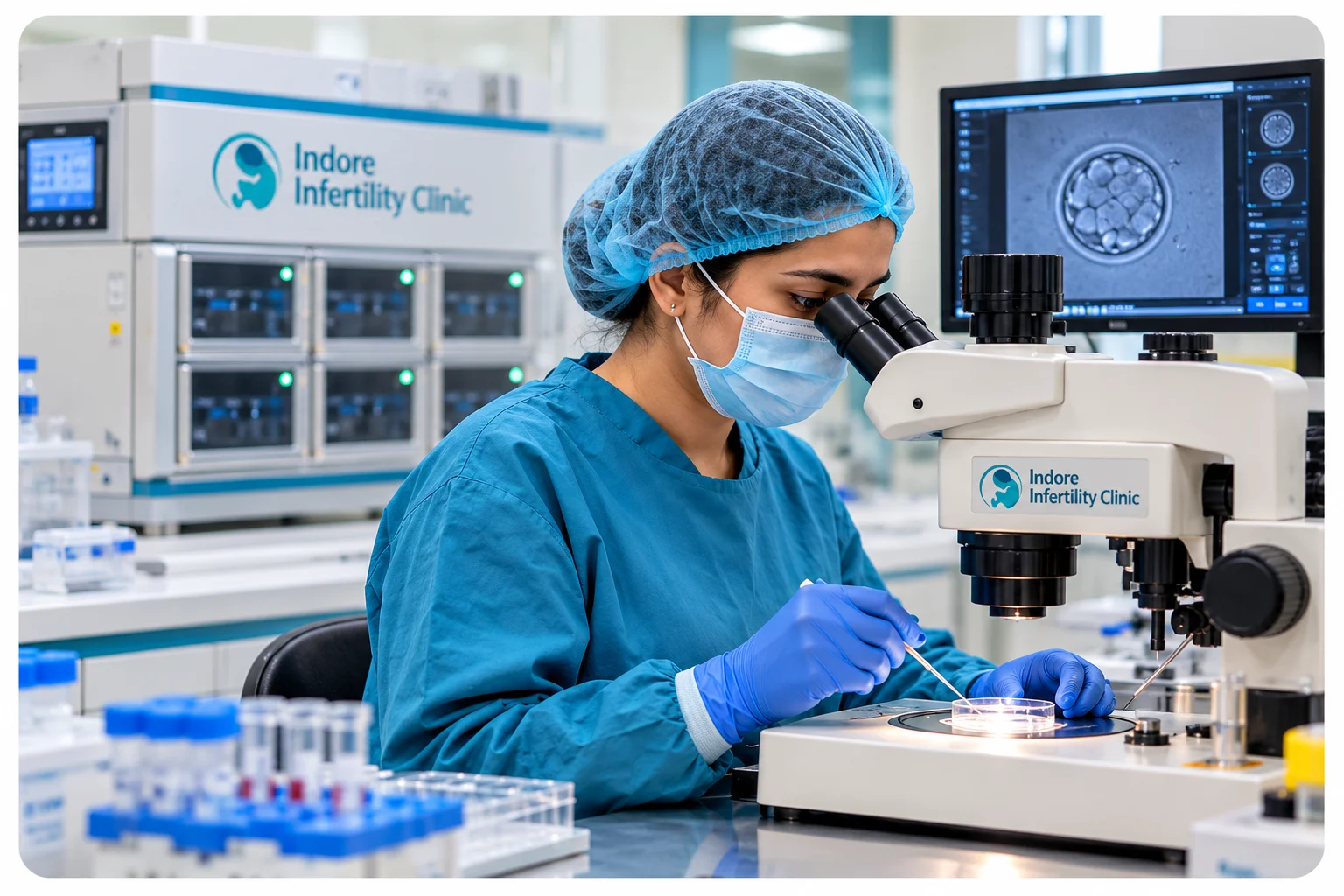
AMH and AFC help predict ovarian response, though age remains important for reproductive outcomes.
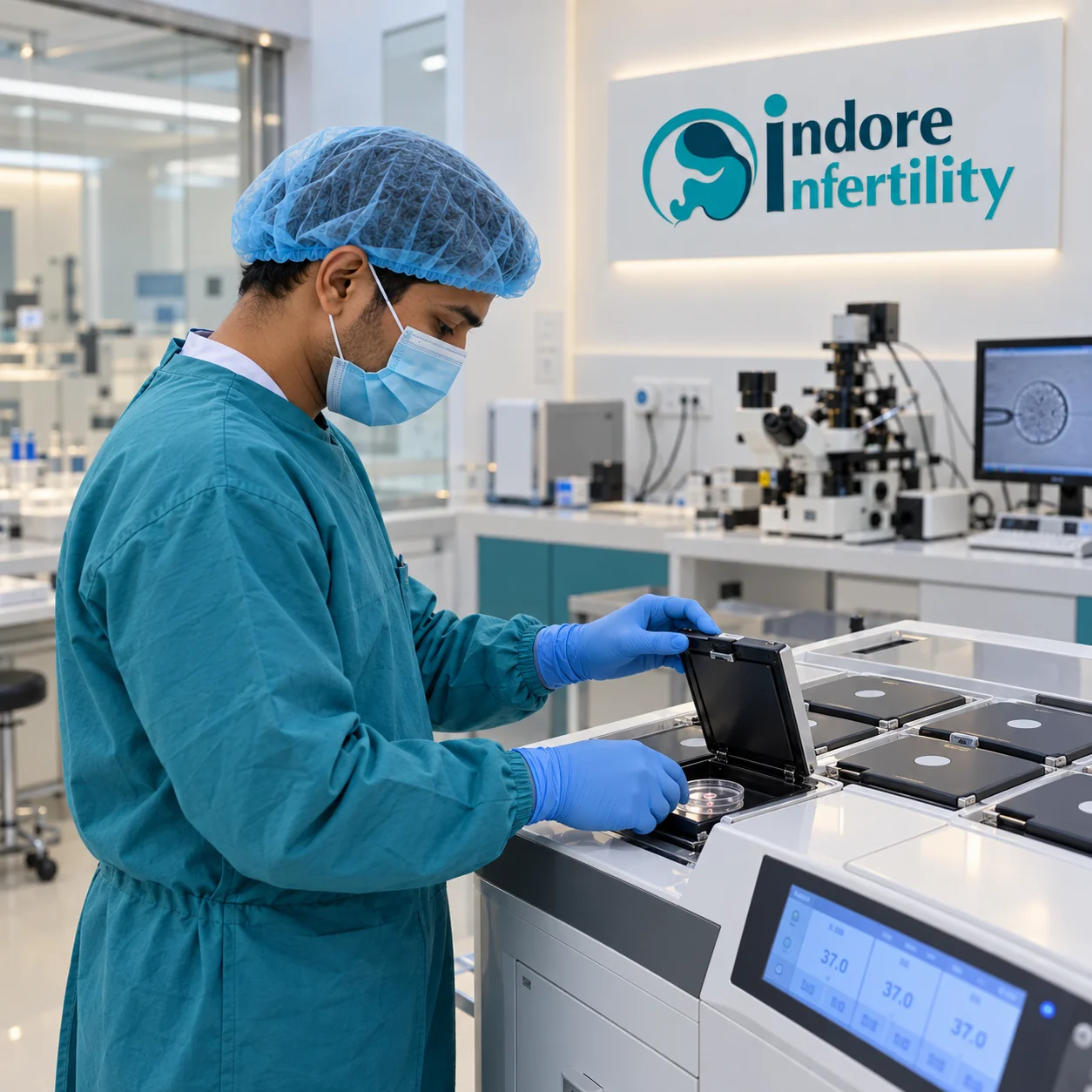
POI requires proper diagnosis and investigation. Ovarian activity can sometimes occur intermittently in non-surgical POI.
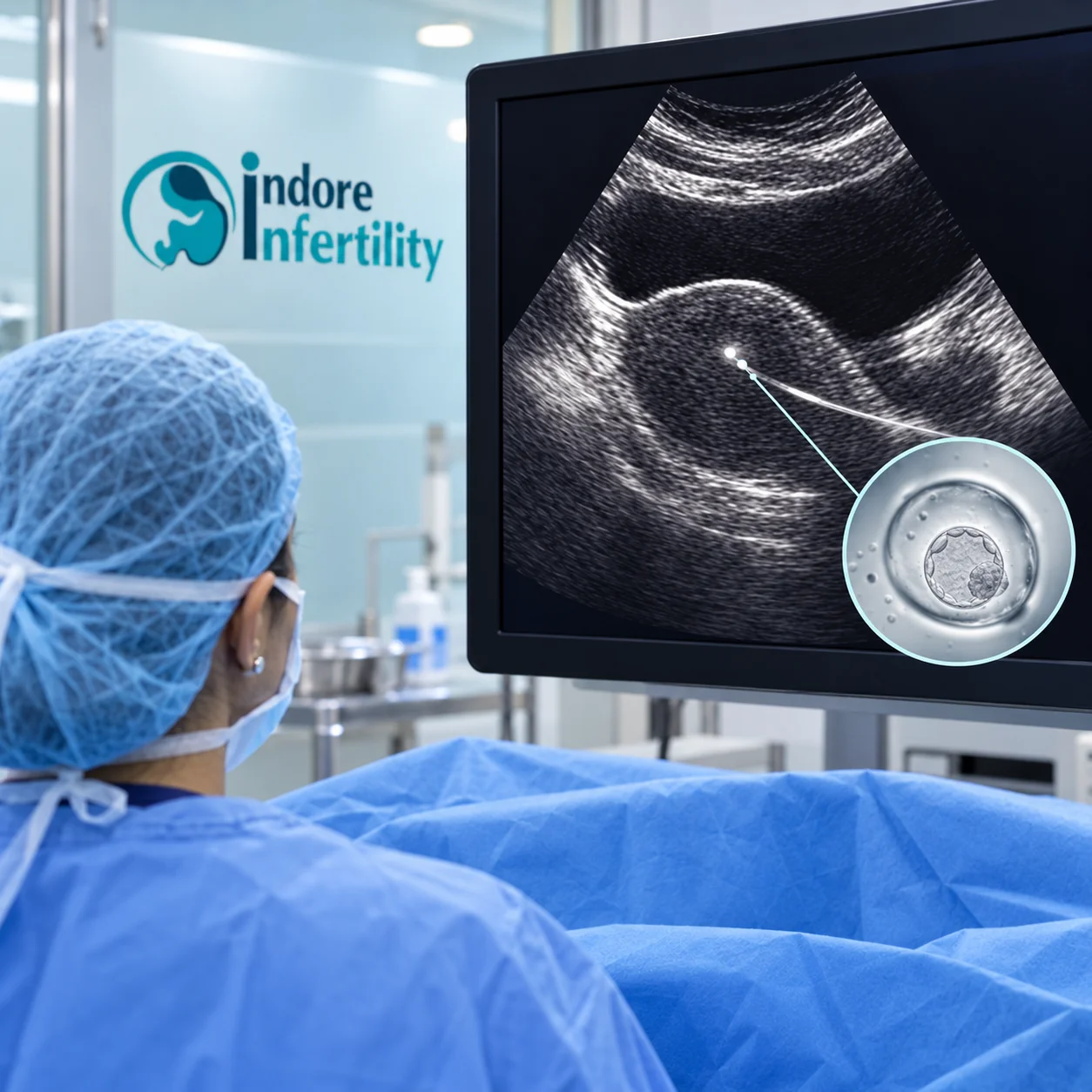
Endometrial PRP is infused into the uterine cavity, whereas ovarian PRP requires a separate needle procedure targeting ovarian tissue.
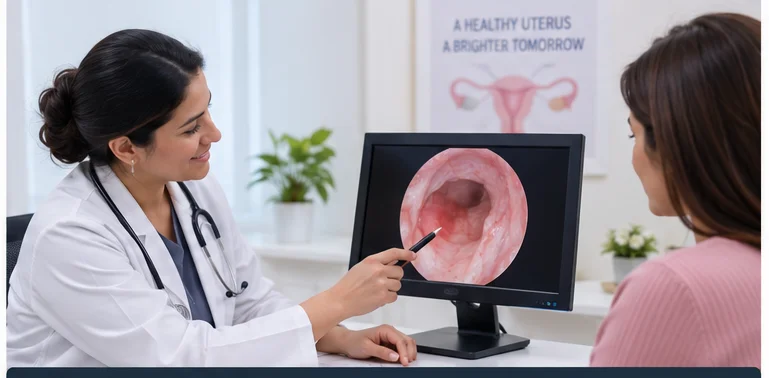
Review bleeding risk, platelet or blood disorders, infection, medicines and fitness for sedation.
Ovarian PRP uses a sample of your own blood processed through specific research protocols, followed by an ultrasound-guided injection.
After assessment and research consent, a blood sample is collected using sterile equipment. PRP is made from blood; it is not a stem-cell transplant.
A centrifuge separates blood components, and the platelet-rich fraction is prepared. Platelets release growth factors involved in repair signalling.
In studied protocols, PRP is injected into ovarian tissue, commonly through a transvaginal needle under ultrasound guidance. Sedation or anaesthesia may be used.
The research team may repeat scans, hormone tests and ovarian-response assessment. No repeat-injection schedule has been reliably shown to improve live birth.
International bodies cite unproven effectiveness, uncertain long-term safety, and potential procedure risks.
ESHRE and HFEA do not recommend intraovarian PRP due to uncertain effectiveness and limited safety evidence.
Ovarian puncture can cause pain, bleeding, infection or tissue injury. Sedation adds separate risks.
A reassuring short-term experience cannot establish effects on eggs, embryos or future children.
The 2024 PROVA trial found no improvement in mature egg yield with intraovarian PRP in women under 38 with poor ovarian response.
An individualised IVF plan or donor-oocyte IVF remains an established option when using your own eggs is unlikely to succeed.
Stem-cell approaches involve separate cell products and additional controls; 'stem-cell PRP' is not a precise treatment description.
A change in AMH or AFC does not establish better egg quality or live birth.
There are no established routine clinical indications or proven live-birth benefits for ovarian rejuvenation procedures.
The 2023 add-on recommendations do not support intraovarian PRP due to uncertain effectiveness.
Assigns a red rating for diminished ovarian reserve, citing no moderate or high-quality evidence of success.
Joint guidelines state no intervention has reliably increased ovarian activity and natural conception in POI.
Unproven cell therapies require regulated clinical trials, independent oversight, and appropriate regulatory review.
Clarify research protocol eligibility, regulatory status, institutional oversight, and financial transparency before committing to an add-on.
Check whether a suitable, independently reviewed clinical trial exists.
Ask exactly what material or cell source is proposed and what quality controls are followed.
Understand that benefits and live birth rates remain unproven.
Review established fertility preservation and alternative treatment options.
Clinic Contact
Indore Infertility Clinic | +91 9111111011
Important Note
Discuss your ovarian reserve and options with your specialist.
Find answers to common questions about ovarian PRP, stem-cell research, safety, and evidence.
This has not been established. PRP should not be described as a proven way to restart ovaries or reverse menopause.
A reliable improvement in egg quality or live birth has not been demonstrated.
No. AMH is a reserve marker. The important outcomes are useful eggs, embryos and ultimately live birth.
No. PRP contains concentrated platelets. Stem-cell approaches involve separate cell products and additional controls.
No. Low AMH warrants assessment and timely planning. It does not establish an indication for ovarian PRP.
Ask about eligibility, ethics approval, regulatory oversight, the comparison group, follow-up, costs and care for complications.
Discuss the likely effect of waiting on your current treatment opportunities. An uncertain add-on should not displace a realistic plan.
Take the first step towards parenthood with compassionate care, expertise, and support tailored to your unique needs.