Age at Egg Collection
The age of the egg provider when eggs are collected is relevant to embryo chromosome risk.

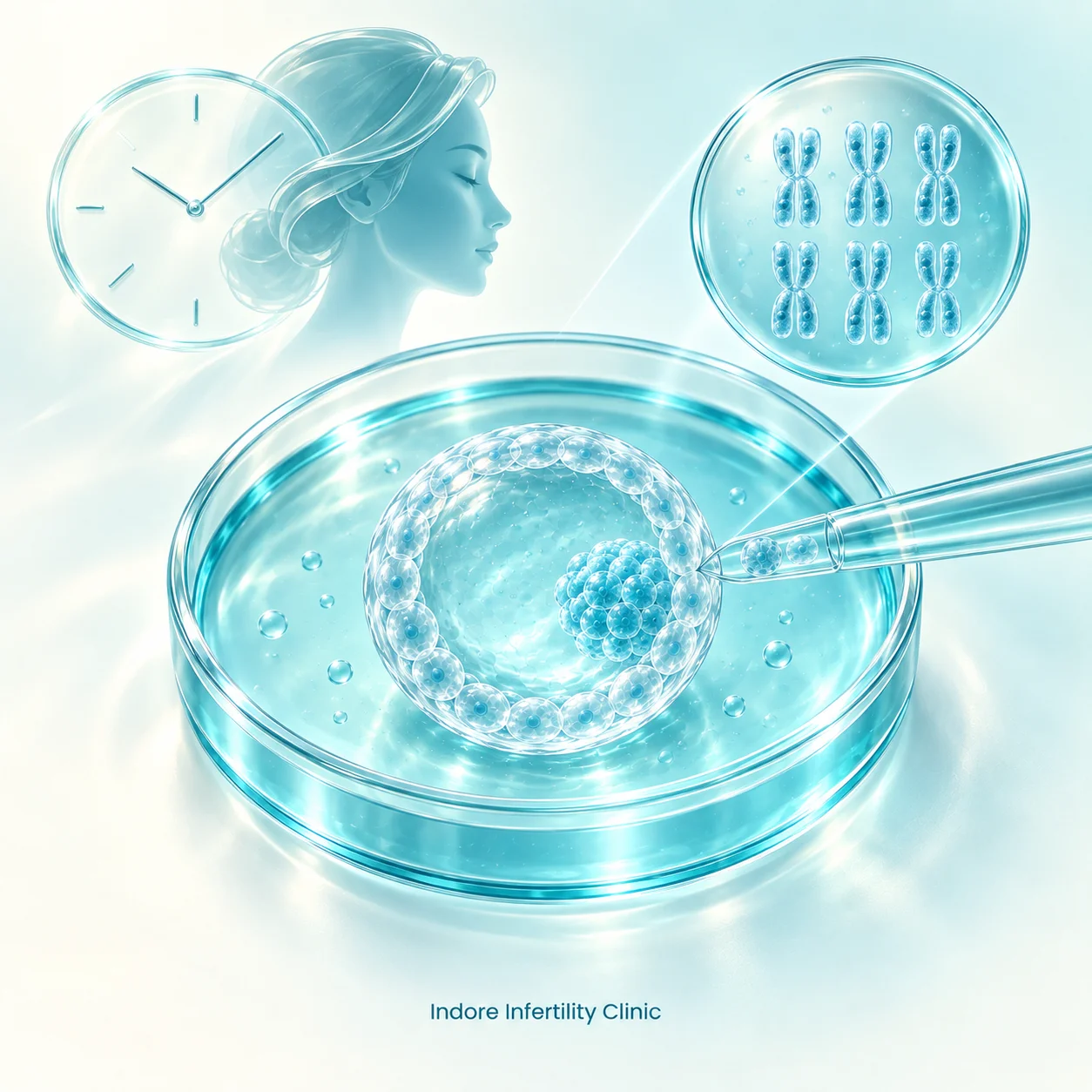
PGT-A stands for preimplantation genetic testing for aneuploidy. It screens cells from an IVF embryo for chromosome number changes before transfer. As egg age rises, these changes become more common. PGT-A can help guide embryo selection. It is an optional test, with benefits and limitations that need individual review. By identifying euploid embryos with normal chromosome counts prior to transfer, this testing aims to optimize transfer efficiency, potentially lower miscarriage risks related to chromosomal numerical errors, and support a more informed treatment strategy tailored to your age and clinical history.
Understanding age, embryo numbers, and individual history helps guide whether PGT-A testing may be useful.
The age of the egg provider when eggs are collected is relevant to embryo chromosome risk.
Your ovarian reserve and likely blastocyst number help guide whether testing may be useful.
Older egg age, especially from the late 30s, and several expected blastocysts may support a discussion.
Review the cause first. Repeated loss or failed transfer alone is not a proven indication for routine PGT-A.
Agree on the testing plan and possible results before starting treatment.

Review egg yield, AMH, follicle count and expected blastocyst numbers.
Discuss all result types, mosaic thresholds and the chance of no transfer.
Compare IVF with or without testing. Review cost, consent and transfer options.
Each stage combines careful embryo handling with a clear testing plan.
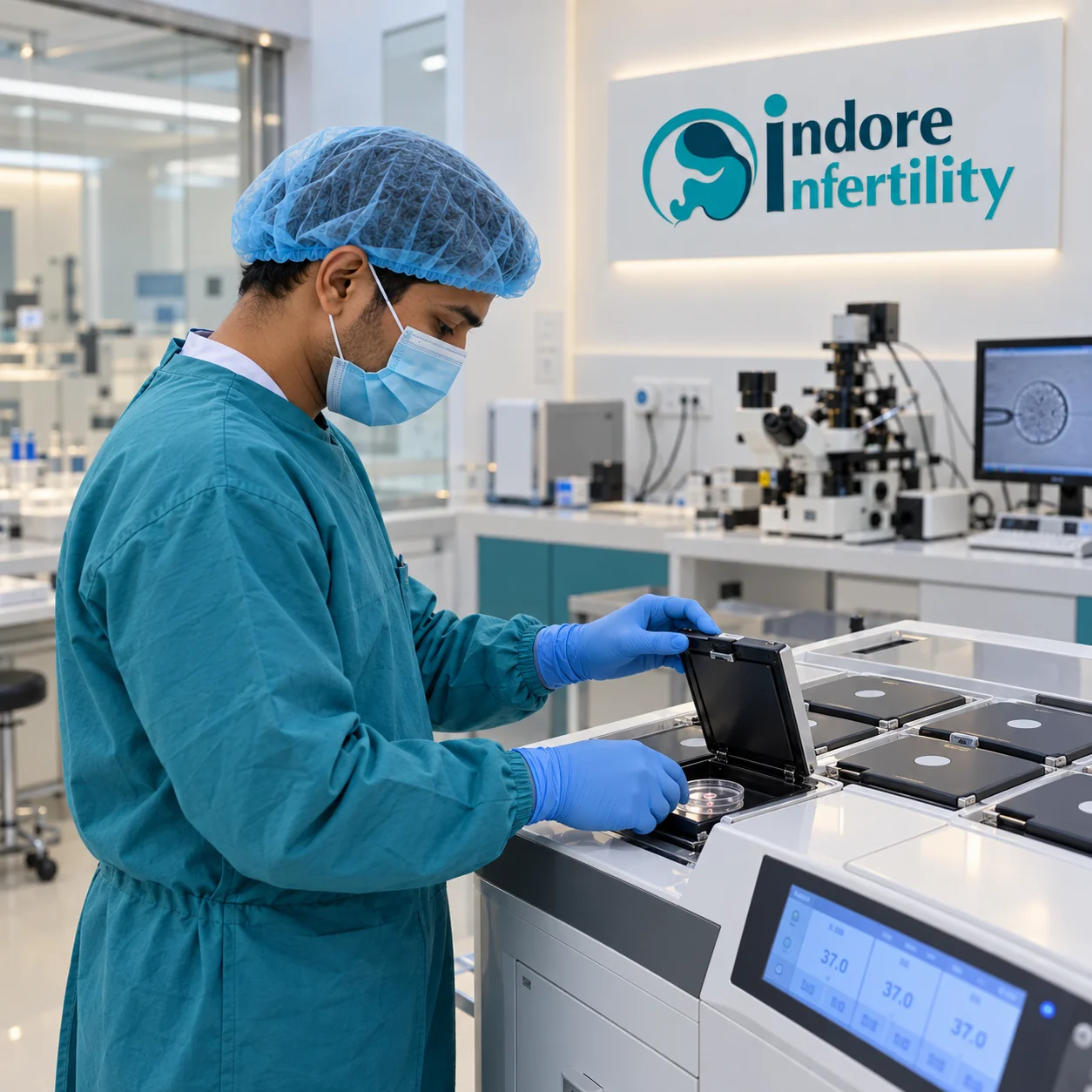
Eggs are collected and fertilised. Embryos are cultured to day 5 or 6, sometimes day 7. Development is assessed before biopsy. Only suitable blastocysts proceed; some embryos stop developing earlier.
A few cells, usually 5 to 10, are sampled from the outer layer. The inner cell mass is not intentionally sampled. The biopsy sample is identified and prepared for genetic analysis.
The embryo is frozen while its cell sample is tested. DNA is amplified. NGS commonly measures chromosome copy number across the 24 chromosome types.
Discuss euploid, aneuploid, mosaic or inconclusive findings with the team. Mosaic results need genetic counselling. An inconclusive result may require further discussion before deciding on transfer or repeat biopsy.
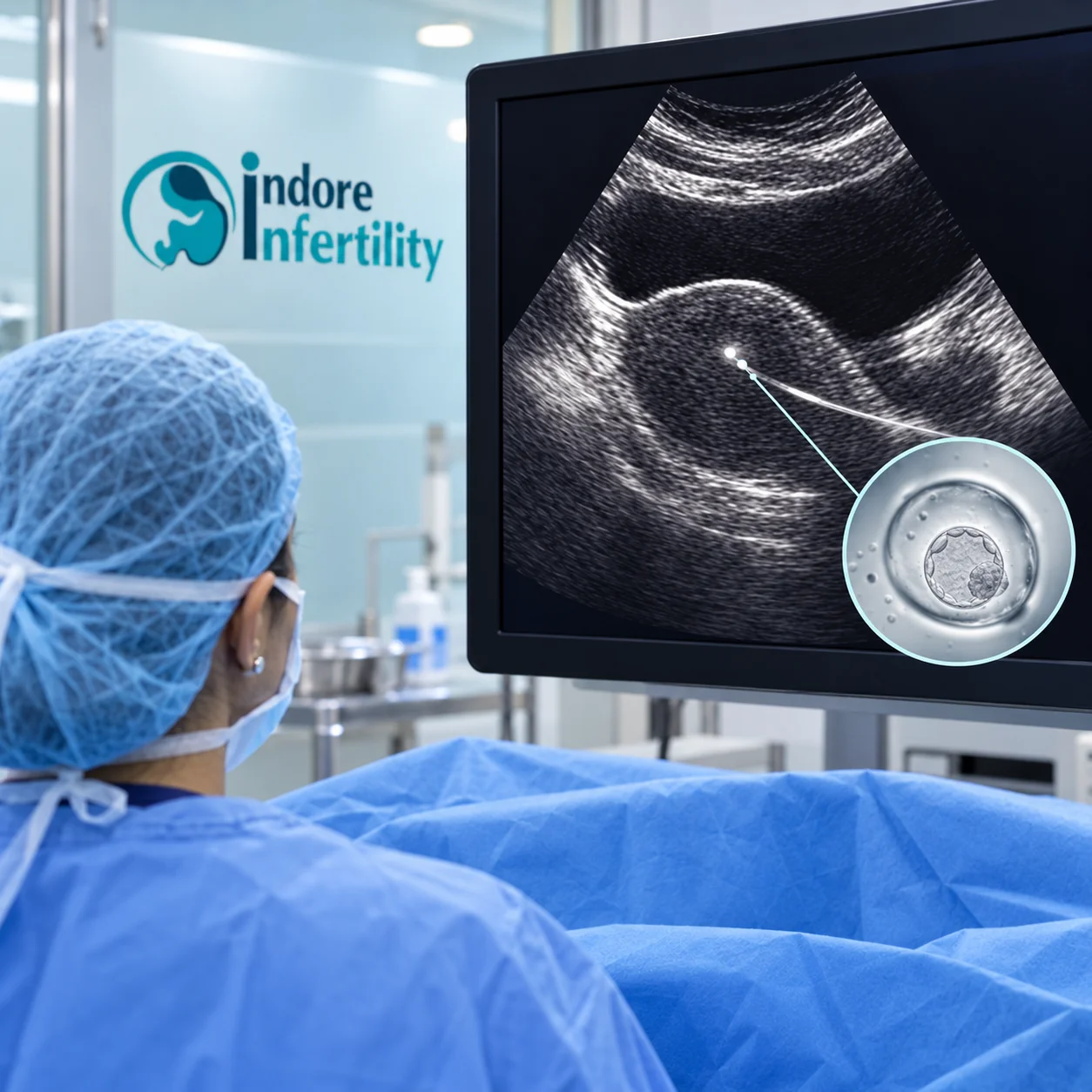
If a suitable embryo is selected, prepare the uterine lining. Coordinate embryo warming with ovulation or progesterone exposure. The embryologist checks the warmed embryo before transfer. A single embryo transfer is often appropriate.
Be aware of sampling errors, biopsy risks, and the possibility of fewer transfer options.
Careful pre-test counselling helps clarify what testing can and cannot achieve.
A few sampled cells may not reflect the whole embryo. False results can occur.
Biopsy may damage an embryo. Some embryos may not survive freezing and warming.
Testing may leave no embryo recommended for transfer. Some excluded embryos may have reproductive potential.
PGT-A does not detect every genetic condition. Discuss prenatal screening and diagnostic testing during pregnancy.
Discuss test accuracy and limitations thoroughly with your specialist.
PGT-A may help avoid transfer of embryos with detected chromosome imbalances, though overall live birth outcomes remain uncertain.
Aneuploidy rate: 32.7%.
Aneuploidy rate: 40.1%.
Aneuploidy rate: 56.9%.
Aneuploidy rate: 72.5% to 85.2%.
Ask for a written estimate covering IVF and the added testing charges to understand the full financial commitment.
IVF Treatment: Medicines, monitoring, egg collection and embryo culture.
Biopsy and Genetic Testing: Biopsy charges and testing fees per embryo or batch.
Freezing and Storage: Vitrification, storage and renewal charges.
Transfer and Follow Up: Embryo warming, frozen transfer and result counselling.
Clinic Estimate
Always request a detailed cost breakdown before beginning your cycle.
Quick Reference
Confirm package inclusions for biopsy, genetic analysis, and frozen embryo transfers.
Find answers to common questions about PGT-A testing, results, limitations, and considerations.
No. It is considered individually. Egg age, ovarian reserve, embryo numbers and your goals guide the decision.
No. It provides information for selection. It does not repair chromosome abnormalities.
No. PGT-A has test limits. It does not rule out every genetic condition or guarantee pregnancy.
Yes. Appearance and chromosome status are different. A good grade does not confirm a euploid result.
No. PGT-M tests for a specific inherited condition. PGT-SR assesses risks from structural chromosome rearrangements.
Sometimes, after specialist review and genetic counselling. A mosaic result should not be treated as a simple yes or no.
Discuss whether the extra information justifies testing risks and cost. Transfer without PGT-A may be an option.
Yes. Prenatal screening and diagnostic options should still be offered and discussed, even after a euploid result.
Take the first step towards parenthood with compassionate care, expertise, and support tailored to your unique needs.