An Affected Child Needs a Transplant
A paediatric transplant specialist confirms that a matched sibling could offer meaningful benefit.

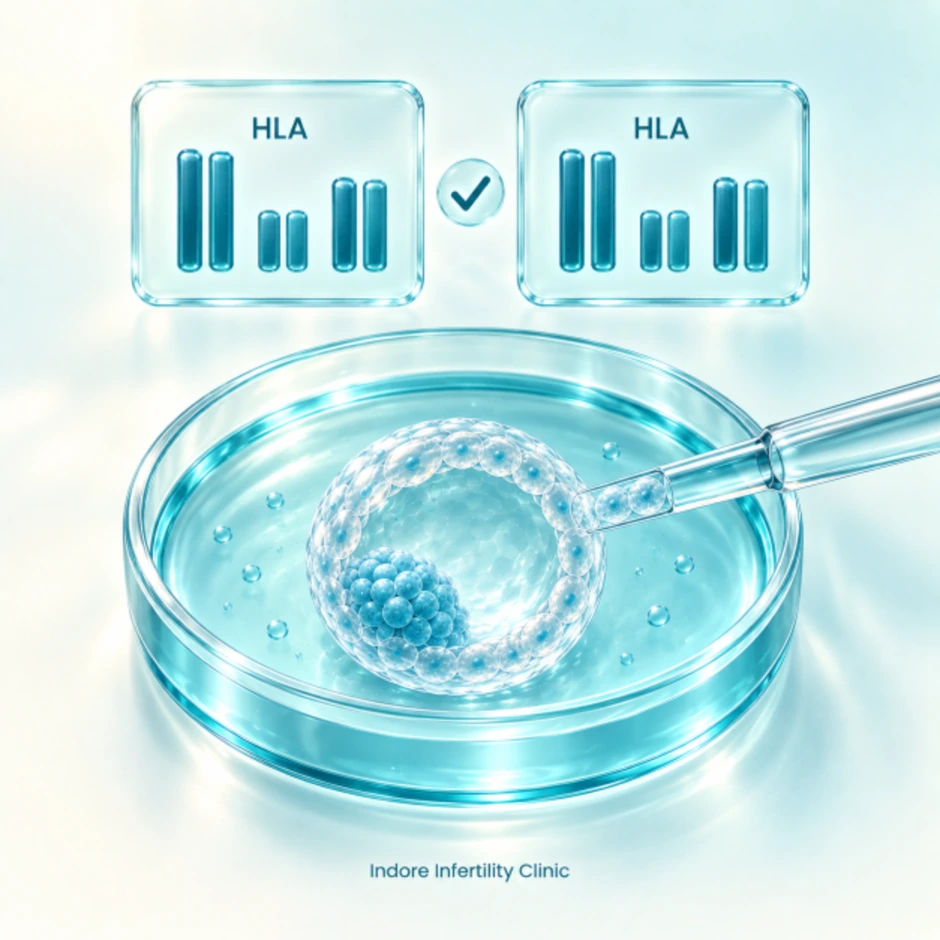
PGT for HLA matching tests IVF embryos for tissue compatibility with an existing child who needs a stem-cell transplant. It is also called preimplantation tissue typing or saviour sibling testing. If the condition is inherited, PGT-M may be added to identify embryos unaffected by that condition. By screening embryos for matching Human Leukocyte Antigen (HLA) markers alongside genetic disease testing, this advanced protocol identifies embryos that are both disease-free and a precise tissue match. Our dedicated team works in close coordination with hematologists and pediatric specialists to provide a highly tailored treatment plan, helping families secure a life-saving stem-cell match for an affected sibling.
A paediatric transplant specialist confirms that a matched sibling could offer meaningful benefit.
Assess existing siblings, unrelated donors, cord blood and suitable half-matched family donors.
Parents understand IVF, testing, pregnancy and the welfare of both children.
The affected child's condition must allow time for treatment and pregnancy. Urgent care must continue.
Review the affected child's diagnosis, current treatment and transplant plan. Compare available donors, expected benefit and urgency. The fertility team assesses ovarian reserve and IVF feasibility. Parents discuss the time, costs and implications for both children.
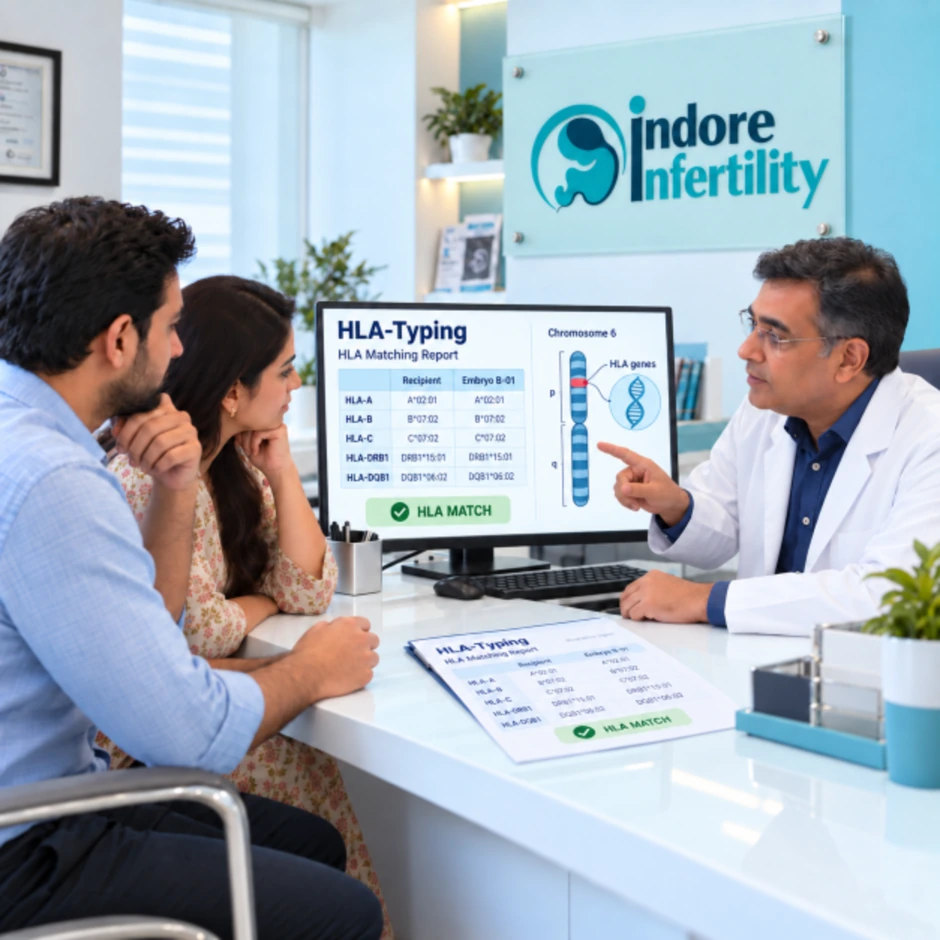
Blood or DNA from both parents and the affected child is usually needed. The laboratory establishes HLA haplotypes and validates the family-specific test. If required, the Pre-PGT-M test also confirms the disease-causing variants and linked markers.
Care throughout your treatment
A cycle can end without an unaffected HLA-matched embryo. Another retrieval may still not produce one.
Stimulation, egg collection, biopsy and freezing carry risks. Some embryos will not survive or develop.
Allele dropout, contamination, recombination and other technical issues can affect reliability.
Engraftment failure, infection and graft-versus-host disease can occur even with an HLA-matched sibling.
Ask about work-up, IVF, biopsy, HLA testing, PGT-M if needed, freezing, storage, transfer and cord blood services. Transplant costs are separate.
Pre-PGT-HLA test and, if needed, Pre-PGT-M test.
Stimulation, egg collection, biopsy and HLA haplotyping.
Vitrification, storage and frozen embryo transfer.
Collection, processing and storage. Transplant costs are separate.
Important to know
Transplant costs are separate.
Quick Reference
Plan Your Family's HLA Work-up with a specialist.
A child conceived with tissue-matching embryo testing who may be able to donate stem cells to an affected sibling.
No. HLA matching checks tissue compatibility; PGT-M checks a specified inherited condition. They may be combined.
Blood group and HLA are different systems. Donor selection is guided by the transplant team's detailed assessment.
Sometimes for recessive conditions. The disease, any carrier symptoms and suitability as a future donor need review.
No. The child's disease, transplant timing, cell dose and treatment complications affect the outcome.
No. The available cell dose may be inadequate. The transplant team decides whether it can be used.
No. There must be a recognised transplant indication and a suitable, feasible family testing plan.
Bring the child's diagnosis, genetic and HLA reports, transplant opinion, donor-search results and the parents' fertility records.
Take the first step towards parenthood with compassionate care, expertise, and support tailored to your unique needs.