Both Partners Are Carriers
Both carry disease-causing variants in the same recessive disease gene.

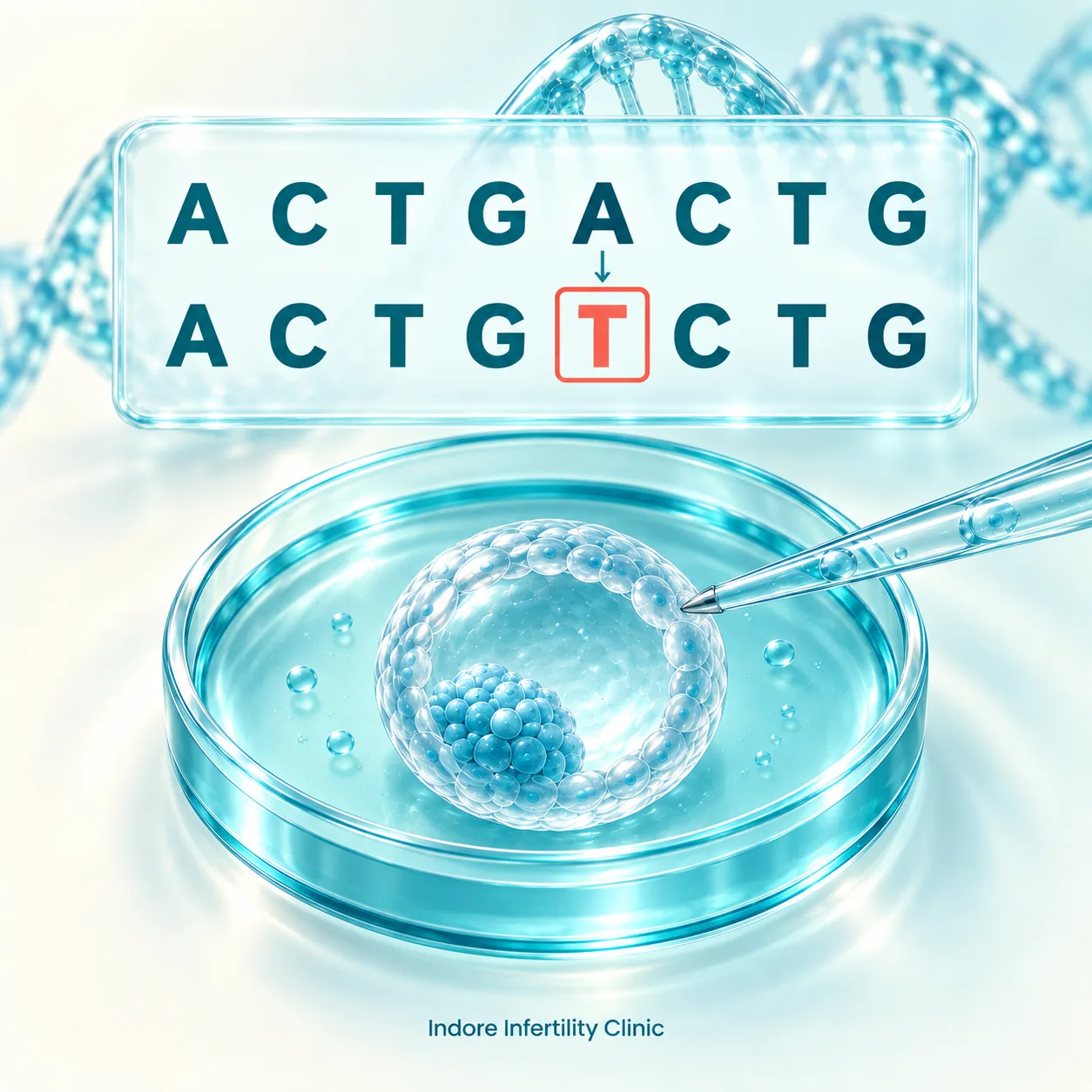
Preimplantation genetic testing for monogenic disorders checks IVF embryos for a specific inherited condition. A test is designed around the family's disease-causing genetic variant. PGT-M helps identify embryos at lower risk of that condition before transfer. It does not repair genes or test for every disease. By creating custom genetic probes tailored to your specific familial DNA variant, our laboratory accurately distinguishes unaffected embryos prior to implantation. Combined with thorough genetic counseling and pre-test workup, PGT-M offers families carrying known single-gene conditions a proactive path toward preventing the transmission of inherited genetic disorders.
PGT-M is recommended in specific hereditary scenarios where genetic variants pose high reproductive risks.
Both carry disease-causing variants in the same recessive disease gene.
A confirmed inherited variant may create a significant risk for a child.
A carrier or affected parent needs counselling on the specific inheritance pattern.
Review the molecular diagnosis and recurrence risk before planning treatment.
Examples for case review. Availability depends on the exact familial variant.
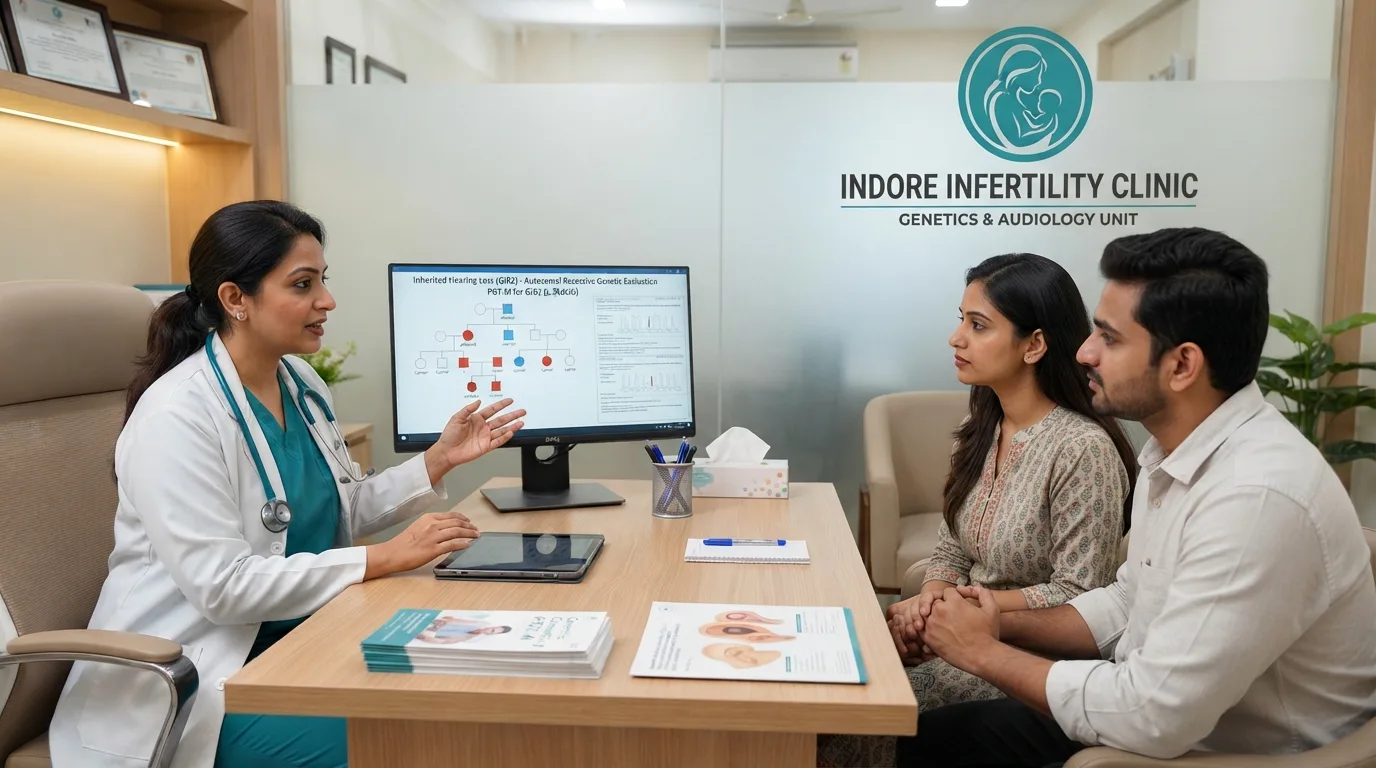
Autosomal recessive form. A specific genetic cause of hearing loss. Not all hearing loss is caused by GJB2.
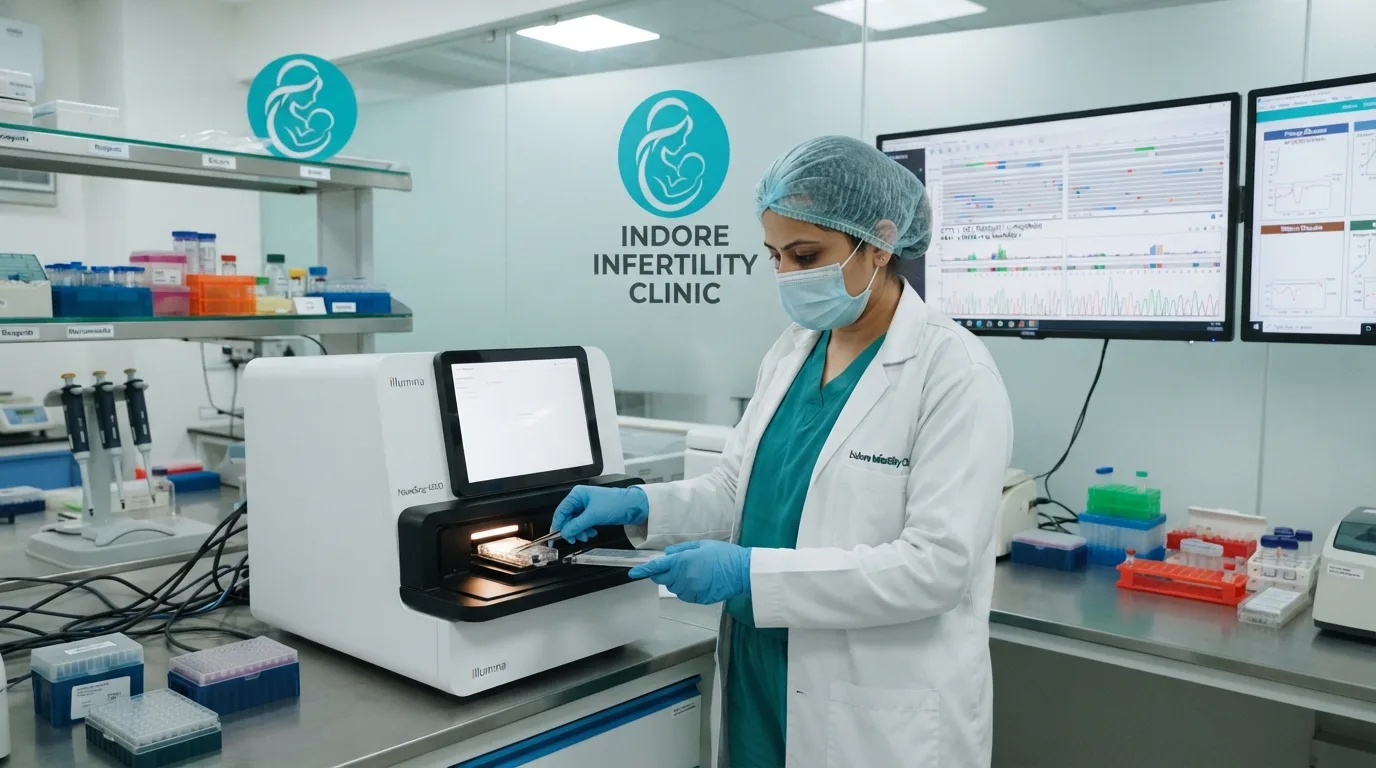
HBB autosomal recessive disorders. Includes HbSS and compound genotypes. Blood disorders carry a major Indian burden.
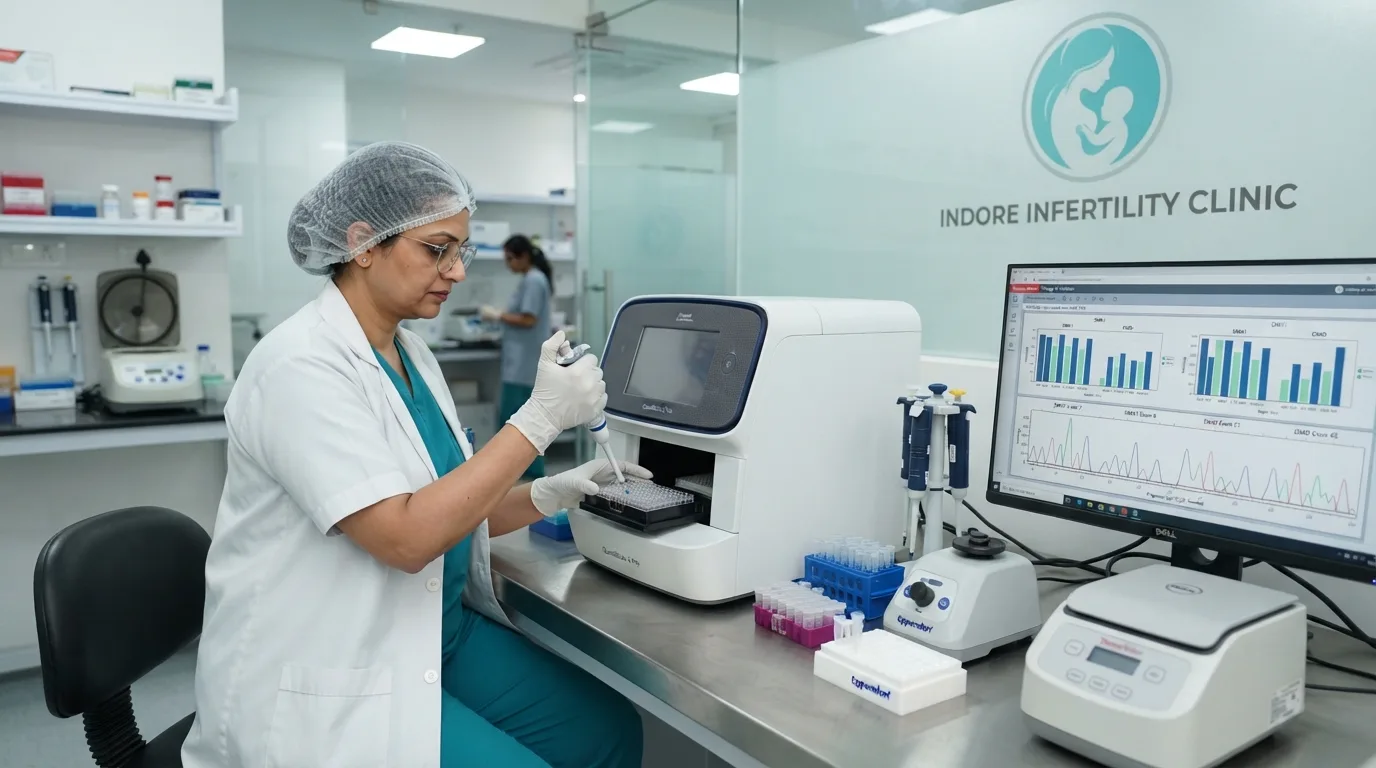
SMN1 and DMD X-linked disorders involving progressive muscle weakness and motor neuron conditions.
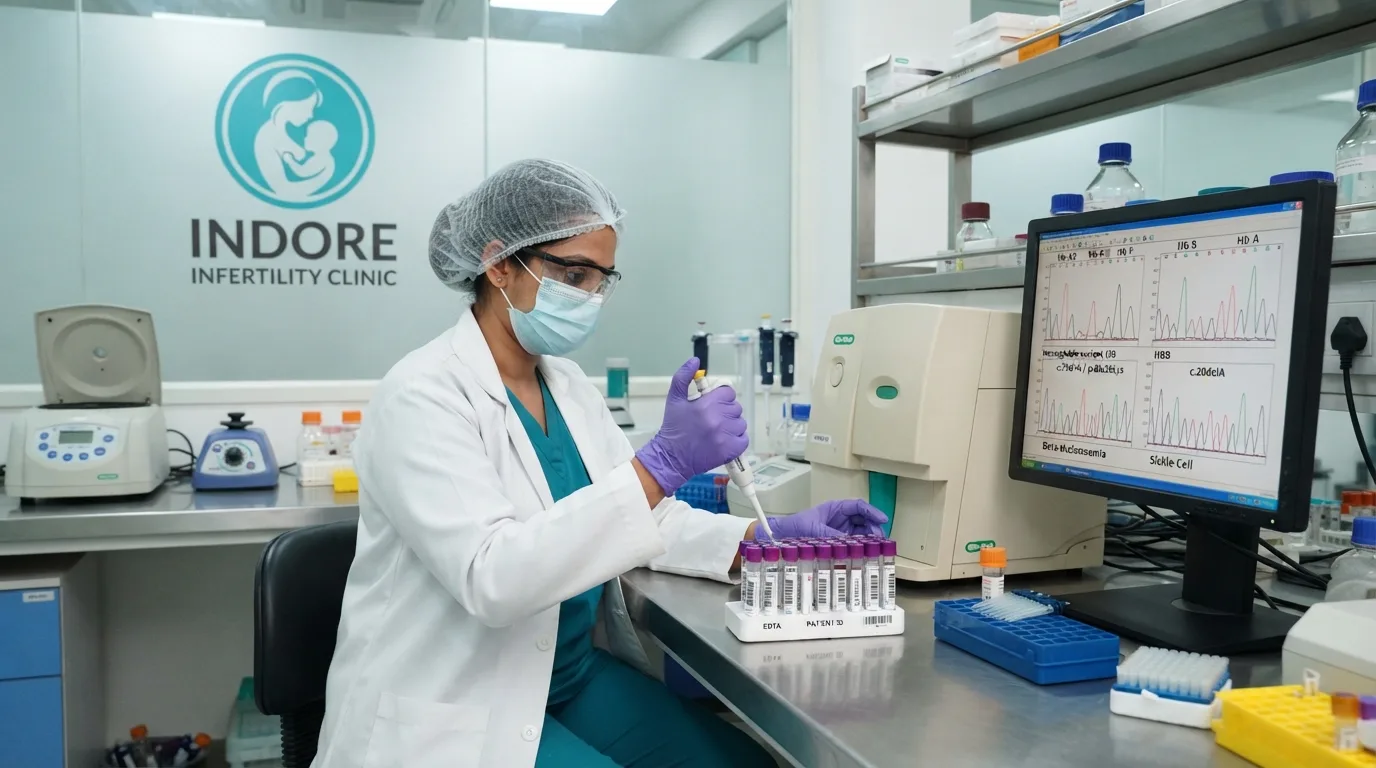
Includes CFTR, CYP21A2, ATP7B (Wilson Disease), GBA1, and GAA (Pompe Disease).
Confirm the molecular diagnosis and complete test preparation before IVF where possible.
Review family tree, reports, and recurrence risk. Compare PGT-M with prenatal diagnosis and other options.
Family-specific laboratory work-up using parental blood/DNA to establish linked markers and validate the assay.
Collect and fertilise eggs. Culture embryos to suitable blastocysts for biopsy, even if naturally fertile.
Sample 5 to 10 outer blastocyst cells. Embryos are usually vitrified while testing proceeds separately.
Detect familial variants via PCR, SNP haplotyping, or NGS. Review results and plan frozen transfer.
Understanding technical limitations and procedural factors is essential before starting PGT-M.

Prenatal confirmation through CVS or amniocentesis should still be offered during pregnancy.
Allele dropout, recombination, contamination, or assay limitations can cause an incorrect result.
Biopsy may damage an embryo, and some embryos do not survive freezing and warming.
A cycle may produce no embryo suitable for transfer.
NIPT is not a substitute for diagnostic confirmation like CVS or amniocentesis during pregnancy.
Testing does not guarantee pregnancy or a live birth.
The inheritance pattern guides the test and the expected embryo results.
When both parents are carriers, each pregnancy has a 25% affected, 50% carrier, and 25% non-carrier probability.
A heterozygous affected parent typically has a 50% chance of passing on the variant.
Risk depends on which parent carries the variant and the child's chromosome inheritance.
Probabilities repeat independently across embryos; four embryos do not guarantee one in each category.
Before agreeing to treatment, request comprehensive cost breakdowns for all associated medical steps.
Request costs for the Pre-PGT-M test work-up.
Account for IVF, biopsy, and embryo testing expenses.
Confirm freezing, annual cryostorage, and transfer charges.
Ask how inconclusive results or subsequent cycles would be charged.
Transparent Financial Planning
Clear cost inquiries ensure complete transparency throughout your family genetic testing journey.
Quick Reference
Consult our clinic team for exact package estimates regarding PGT-M services.
Find clear answers regarding single-gene testing, procedures, limitations, and preparation.
No. It targets specified inherited variants. Some cases are not technically feasible, and it does not screen for all diseases.
Yes. Embryos must be created outside the body for biopsy and testing.
It is the family-specific work-up used to establish and validate embryo testing. It may require parental blood and relatives' DNA.
Often, for recessive disorders. The condition, possible carrier symptoms, and your preferences need review.
No. PGT-M targets a familial condition; PGT-A assesses chromosome number. Adding PGT-A is a separate decision.
No. It provides information for selection. It does not edit or repair an embryo's genes.
No. Offer CVS or amniocentesis to confirm the targeted result, alongside routine prenatal care.
Bring molecular genetic reports, carrier-screening results, family history, previous pregnancy records, and IVF reports.
Take the first step towards parenthood with compassionate care, expertise, and support tailored to your unique needs.