Spontaneous Preterm Labour
Contractions and cervical changes begin before 37 weeks due to infection, inflammation, bleeding or uterine stretching.

Preterm birth means a baby is born before 37 completed weeks. Cervical changes, early labour, leaking waters and medical complications can all play a part. At Indore Infertility Clinic, care combines risk assessment, cervical care, targeted prevention and planning for hospital care when needed. Our specialized preterm prevention protocol includes serial transvaginal cervical length scans, timely progesterone supplementation, proactive cerclage evaluation when indicated, and rigorous monitoring for early uterine activity. By delivering vigilant clinical oversight and personalized maternal care, we aim to extend gestation safely and optimize outcomes for both mother and baby.
Early birth can follow spontaneous labour or early membrane rupture, or be planned because continuing pregnancy is unsafe.
Contractions and cervical changes begin before 37 weeks due to infection, inflammation, bleeding or uterine stretching.
A cervix that shortens or opens too early can increase the chance of late miscarriage or early birth.
Preterm prelabour rupture of membranes increases infection and early birth risks, needing prompt assessment.
Urinary or genital infections, placenta previa, or early placental separation may lead to labour or require early delivery.
Multiple pregnancies, excess fluid, unusual uterine shape, or prior surgeries can stretch the uterus and affect risk.
Severe pre-eclampsia, impaired fetal growth or wellbeing, placental complications, or serious maternal illness may make earlier birth safer.
Transvaginal ultrasound (TVUS) is the preferred way to measure cervical length for treatment decisions.
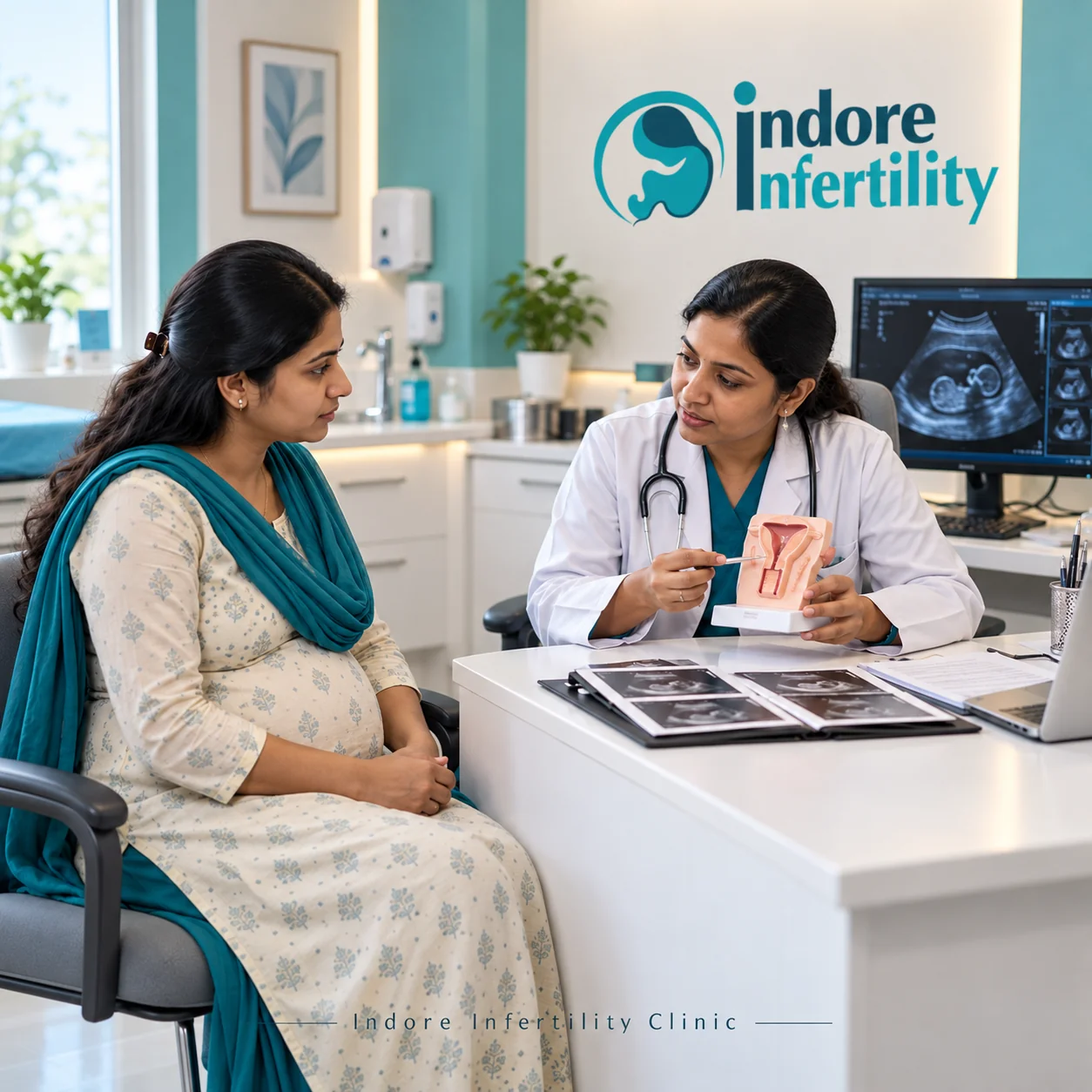
Previous spontaneous early birth, late loss, PPROM or a cervical stitch calls for early review.

Transvaginal ultrasound (TVUS) is the preferred way to measure cervical length for treatment decisions.
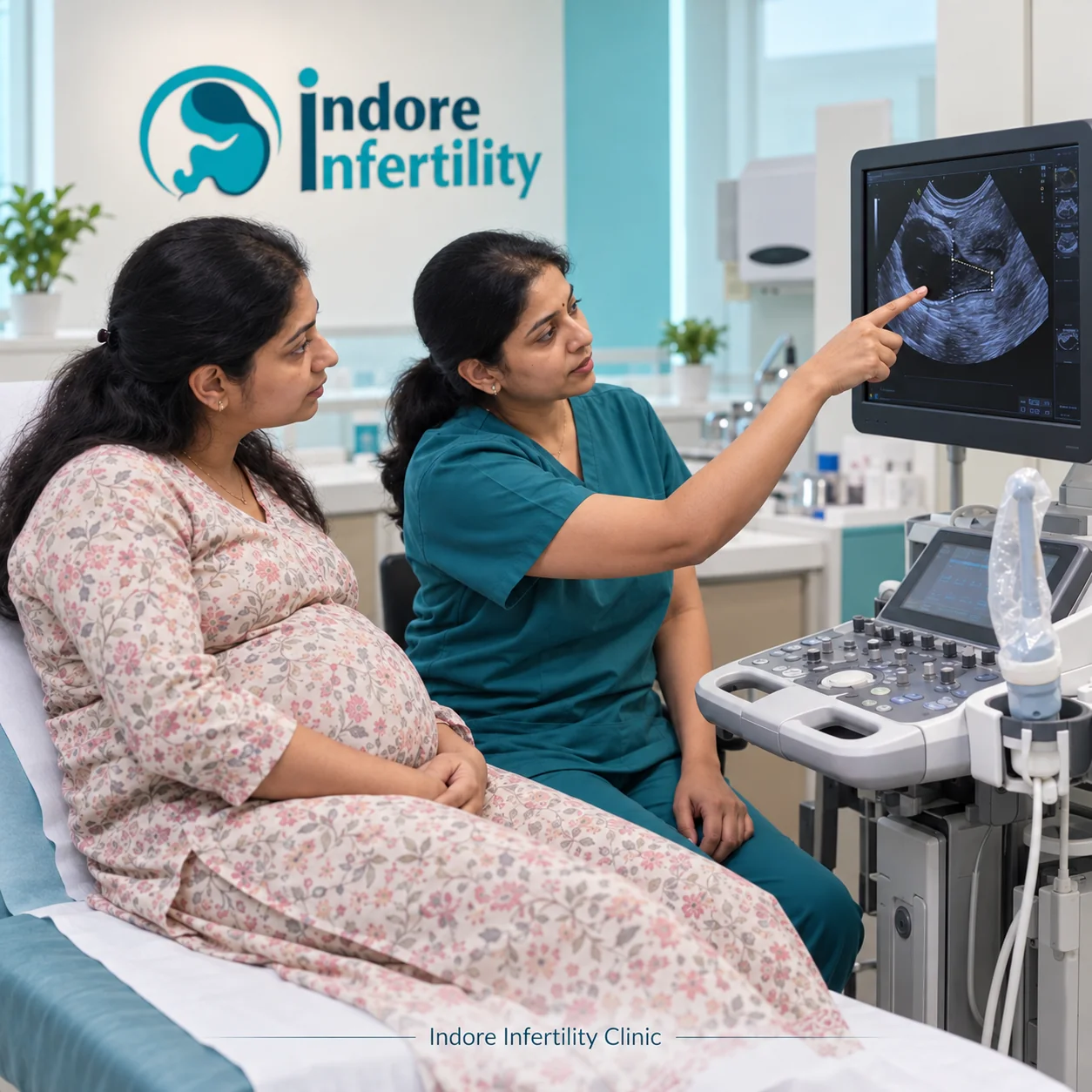
Review BP, symptoms, fetal growth, fluid and placental findings. Add Doppler or fetal heart rate checks when needed.
History, pregnancy weeks, cervical length, symptoms and number of babies guide surveillance and treatment.
May reduce spontaneous preterm birth risk, especially with a short cervix, set by your clinical team.
A stitch supports the cervix in selected cases based on history, scans, or early opening.
Vaginal stitch is commonly removed around 36-37 weeks; complete bed rest is not routinely advised.
Investigating urinary or genital infections and treating with pregnancy-appropriate antibiotics when diagnosed.
Seek immediate maternity or hospital assessment for warning signs before 37 weeks.
Do not wait for a routine appointment or WhatsApp reply when warning signs occur.
Regular tightenings or period-like cramps before 37 weeks need urgent evaluation.
New persistent backache or pelvic pressure require immediate assessment.
Leaking fluid or vaginal bleeding must be checked right away.
Fever, chills, or offensive discharge can signal infection requiring prompt care.
Any decrease in baby's movements needs immediate maternity review.
Early birth is sometimes the safest treatment.
Coordinating corticosteroids for fetal lung maturity, tocolytics when suitable, magnesium sulfate for brain protection, and NICU support.
Reduces breathing and other complications when preterm birth is likely.
May briefly delay labour to allow time for steroid administration or hospital transfer.
Protects the baby's brain when very early birth is imminent.
Involves neonatal intensive care teams to plan newborn support and feeding.
Transparent guidance on consultations, scans, and procedure fees.
Call or WhatsApp with your pregnancy week and previous medical records.
Inquire about consultation, scan, and procedure fees.
Cerclage and hospital expenses vary based on treatment requirements.
Seek direct hospital assessment for new emergency warning symptoms.
Patient Support
Contact Indore Infertility Clinic for appointment bookings and fee inquiries.
Quick Reference
Call or WhatsApp to book preterm birth reviews and consultations.
Find answers regarding clinic appointments, cervical length, cerclage, progesterone, and bed rest.
Book early if you have had a preterm birth, late miscarriage, PPROM, cervical stitch or cervical surgery. A short cervix, twins or other pregnancy concerns may also prompt referral.
No. Early labour, leaking waters, infection, multiple pregnancy, uterine or placental conditions, and medical complications can also lead to preterm birth.
In mid-pregnancy it commonly identifies a short cervix. Pregnancy weeks, measurement method, history and number of babies affect interpretation; it is not an automatic reason for a stitch.
No. Some pregnancies are managed with vaginal progesterone or surveillance. Cerclage is chosen for specific indications after considering history and symptoms.
No. IVF alone does not justify cerclage. Twin pregnancies have different evidence and treatment choices; specialist assessment is needed.
No. They can reduce risk in selected pregnancies, but cannot prevent every preterm birth. Keep monitoring plans and seek help for new symptoms.
Routine prolonged bed rest is not recommended to prevent preterm birth. Discuss recovery, exercise, work and sexual activity with your team.
Seek immediate maternity assessment, particularly if a stitch is in place. Do not assume it is urine or harmless tightening, or wait for your next clinic visit.
Take the first step towards parenthood with compassionate care, expertise, and support tailored to your unique needs.