Fertility Preservation
Sperm freezing allows suitable sperm to be preserved for potential future use when fertility may be affected later.

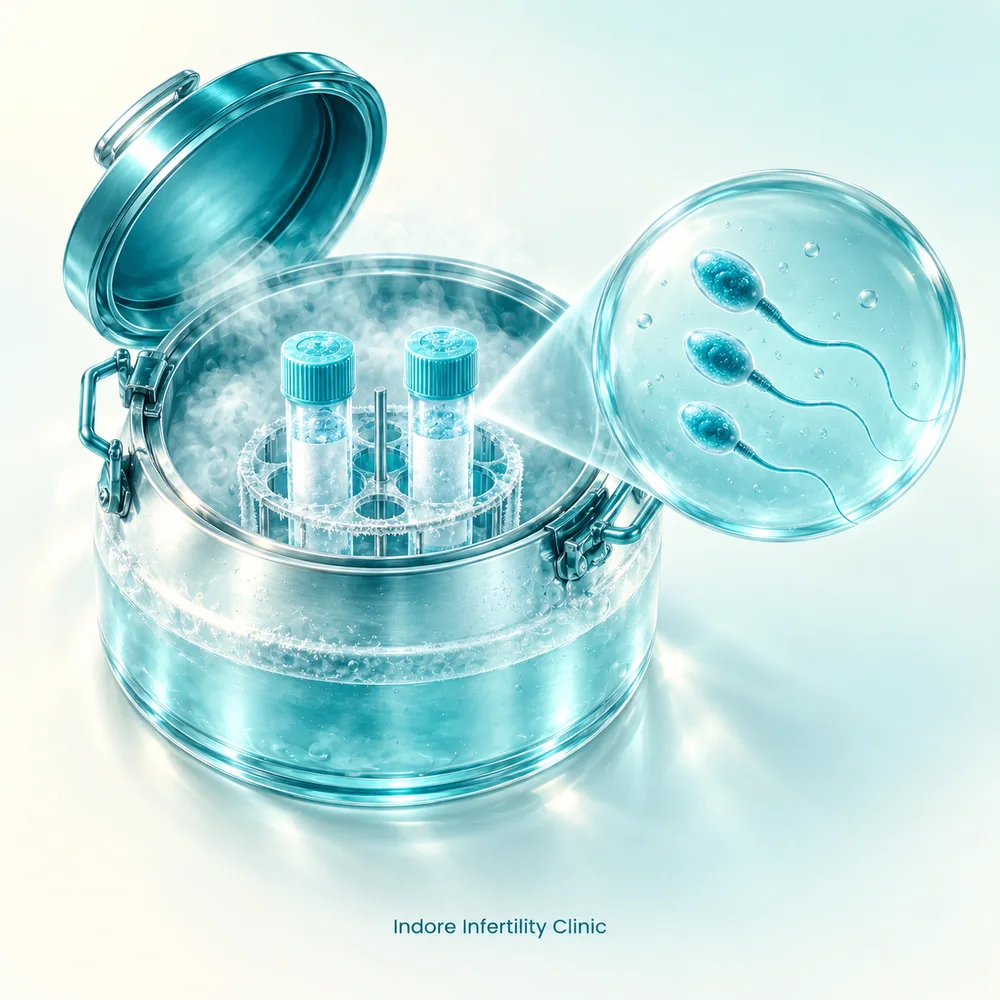
Sperm freezing, also known as sperm cryopreservation, is a fertility preservation technique in which sperm are collected, evaluated, processed and frozen for potential future use. Sperm banking may be considered for fertility preservation before certain medical treatments, before procedures that may affect fertility, for reproductive planning or when sperm need to be stored for future assisted reproductive treatment. Properly processed sperm are stored under controlled laboratory conditions until they are required.
Sperm freezing provides an option for preserving sperm for potential future use. It may be recommended or considered in medical, fertility treatment and reproductive planning situations depending on individual circumstances.
Sperm freezing allows suitable sperm to be preserved for potential future use when fertility may be affected later.
Sperm banking may be considered before certain medical treatments that could potentially affect sperm production or reproductive function.
Some individuals may choose to preserve sperm as part of personal or reproductive planning after discussing the option with a fertility specialist.
Sperm may be frozen before certain procedures when future sperm availability could be uncertain or when storage provides an additional treatment option.
Cryopreservation allows suitable sperm available at the time of collection to be stored for potential future treatment.
Depending on the clinical situation, more than one semen sample may be collected and stored for future use.
Stored sperm may be used later in fertility treatments such as IUI, IVF or ICSI when appropriate.
The fertility specialist can advise whether sperm banking is appropriate based on medical history, fertility status and future reproductive plans.
Sperm banking generally involves sperm collection, laboratory evaluation, processing and cryopreservation. The frozen sample is then stored under controlled laboratory conditions until it is required for future fertility treatment.
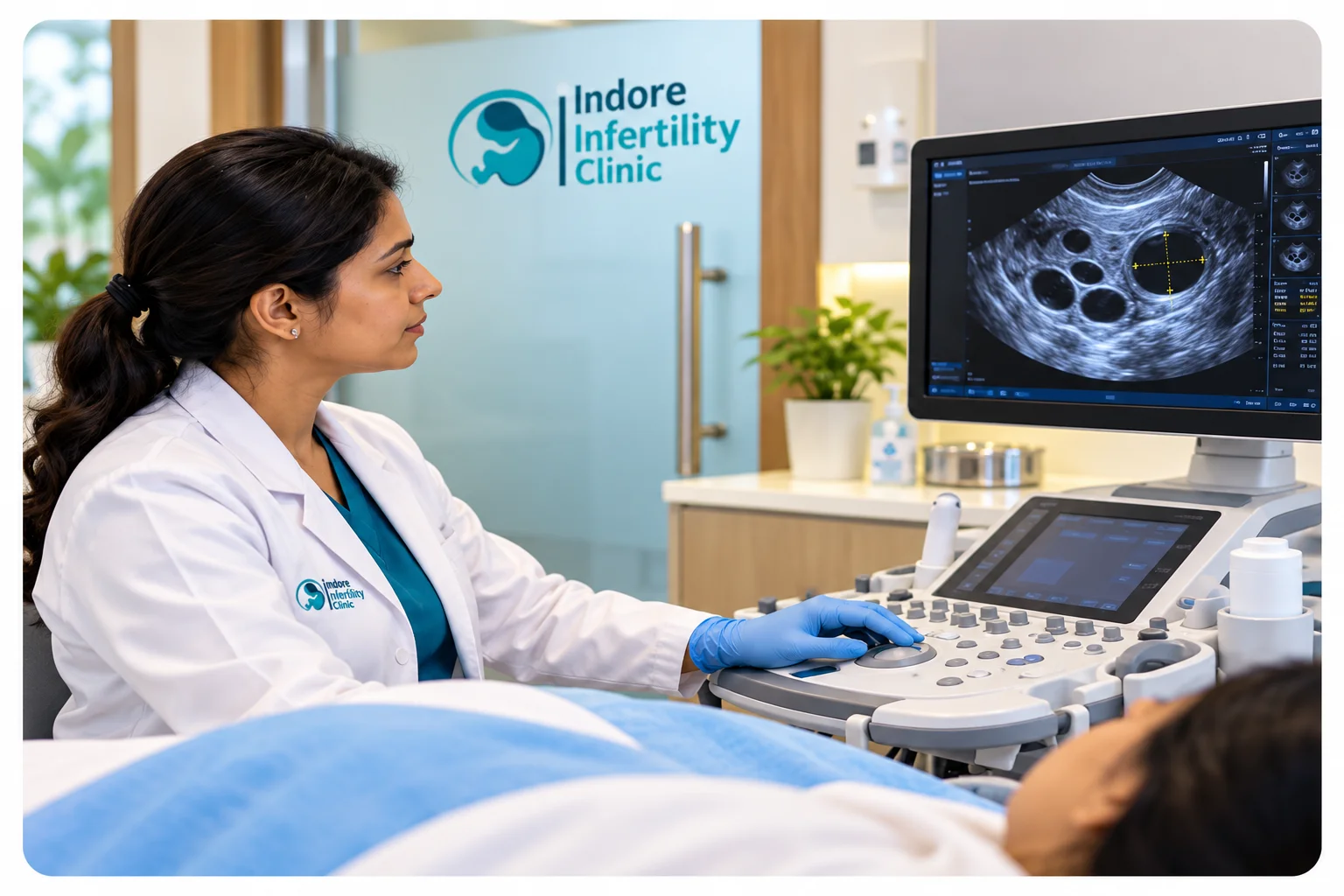
Collection and laboratory evaluation of semen
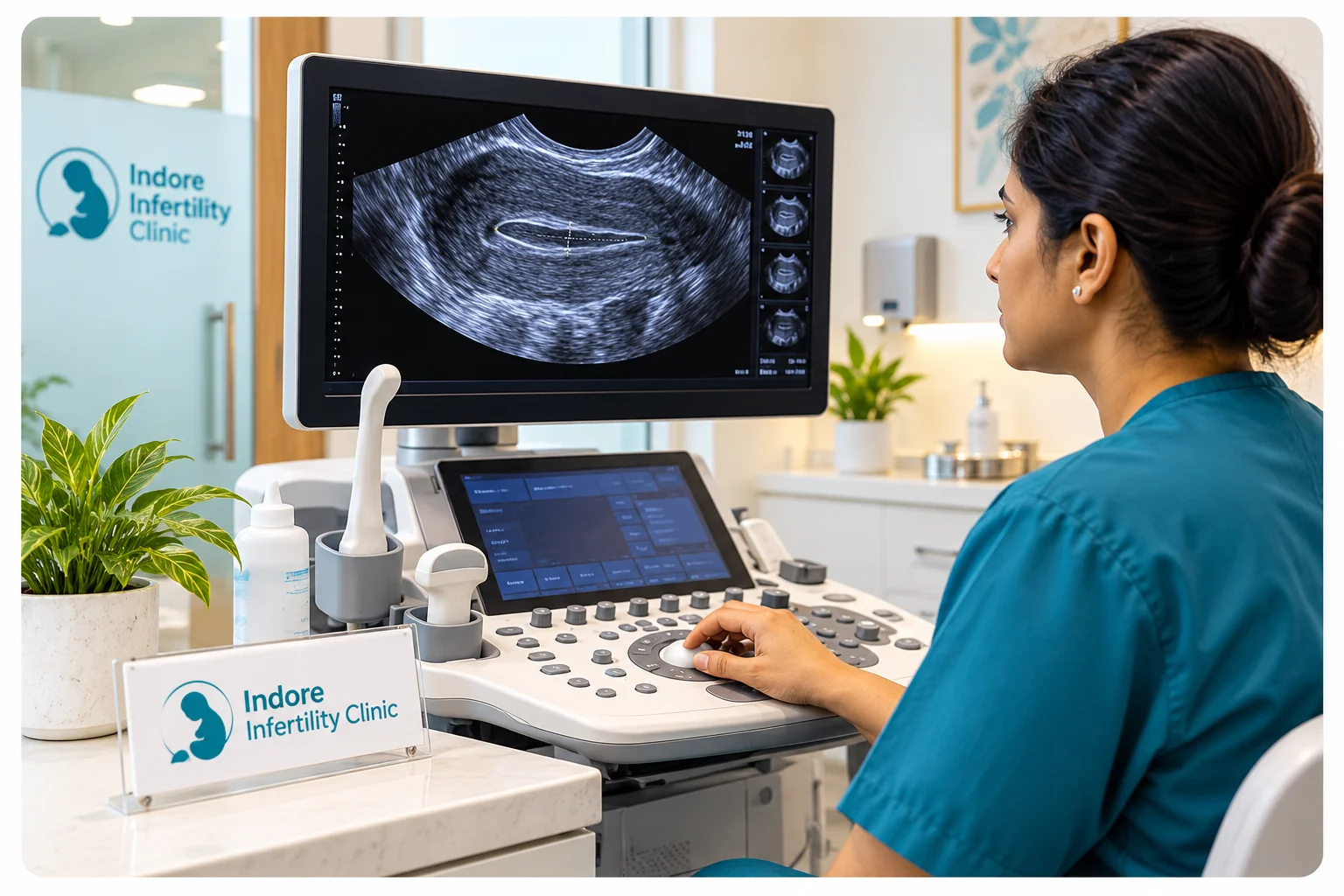
Freezing and long-term storage of suitable sperm
Preparation depends on the reason for sperm banking and the instructions provided by the fertility clinic or laboratory. Following collection and storage instructions can help maintain the quality of the sample.
The laboratory will provide instructions regarding semen collection, including the recommended period of sexual abstinence before providing a sample.
Share relevant medical history, medications, previous fertility treatments and any condition that may affect sperm production or collection.
Discuss the number of samples, intended duration of storage and future treatment plans with the fertility clinic before beginning sperm banking.
Sperm freezing is generally a non-invasive fertility preservation procedure when sperm are obtained through routine semen collection. However, the overall process may involve considerations related to sample collection, sperm quality and the medical condition of the individual.
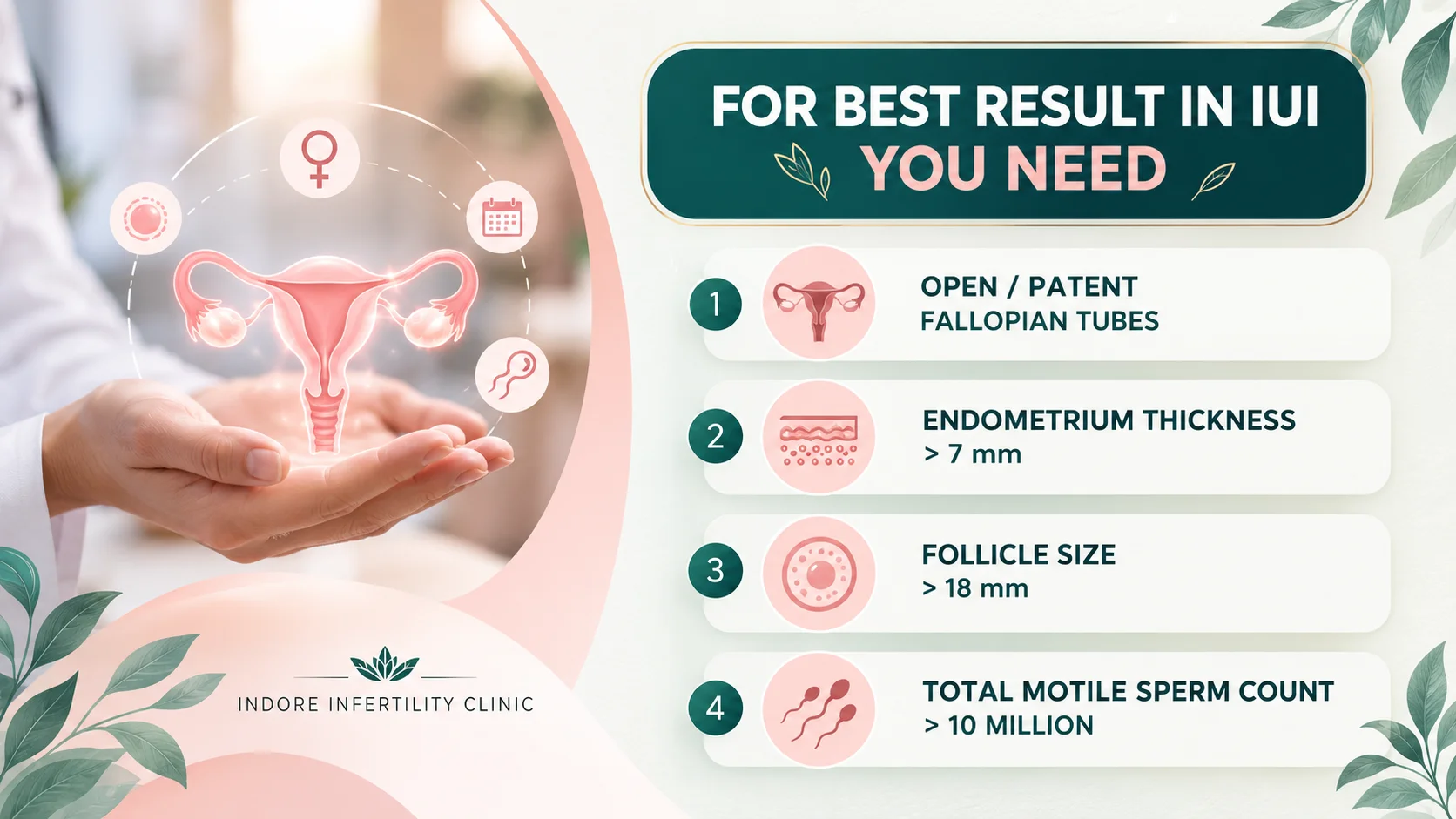
Care throughout your sperm banking journey
Routine semen collection is generally non-invasive, although some individuals may experience discomfort or anxiety related to providing the sample.
Not every sperm cell survives the freezing and thawing process. The laboratory evaluates the sample and uses appropriate cryopreservation methods.
Frozen sperm require specialized laboratory storage and appropriate documentation to maintain safe identification and storage throughout the banking period.
Your fertility specialist or laboratory will explain the collection, freezing, storage and future-use process before sperm banking.
The future use of frozen sperm depends on the quality and quantity of the stored sample, sperm survival after thawing and the fertility treatment selected. Your fertility specialist can determine how the stored sperm may best be used according to your reproductive needs.
Sperm concentration, motility and other semen characteristics at the time of collection can influence the suitability of the sample for future treatment.
When sperm banking is recommended before a medical treatment that may affect fertility, preservation may be planned before that treatment begins when clinically appropriate.
Proper laboratory handling, identification and cryogenic storage are important for maintaining stored samples safely.
The fertility treatment used with frozen sperm depends on the available sperm, the reproductive circumstances and the treatment plan recommended by the fertility specialist.
The cost of sperm freezing and banking depends on the fertility clinic, laboratory services, number of samples stored and duration of storage. Future fertility treatment using the stored sperm may involve additional costs.
Initial consultation and fertility evaluation when recommended.
Semen collection and laboratory analysis of sperm parameters.
Laboratory processing and cryopreservation of suitable sperm.
Cryogenic storage and maintenance of the frozen sperm samples.
Future thawing and fertility treatment costs when the stored sperm are used.
Important to know
The total cost varies according to the number of samples, laboratory services and storage duration. Ask the fertility clinic for a current estimate covering collection, freezing, storage and future-use charges.
Quick Reference
Sperm banking costs may include initial testing, cryopreservation and ongoing storage, while future fertility treatment may involve separate charges.
Find answers to common questions about sperm freezing, sperm banking, sample collection, storage, thawing and future fertility treatment.
Sperm freezing, also called sperm cryopreservation, is a fertility preservation technique in which suitable sperm are collected, processed, frozen and stored for potential future use.
Sperm banking is the process of collecting and storing sperm samples under controlled cryogenic conditions so that they may potentially be used for future fertility treatment.
Sperm may be frozen for fertility preservation before certain medical treatments, before procedures that could affect fertility, as part of fertility treatment planning or for other individual reproductive reasons.
Sperm are commonly collected through semen collection according to the instructions provided by the fertility laboratory. In selected situations, sperm obtained through a medical retrieval procedure may also be considered for freezing.
The laboratory may perform semen analysis to evaluate parameters such as sperm concentration and motility. Additional testing may be recommended depending on the individual's clinical situation.
The semen sample is processed and suitable sperm are prepared for cryopreservation. The sample is frozen using an appropriate laboratory technique and stored in specialized cryogenic conditions.
Frozen sperm can be stored under appropriate cryogenic conditions. The permitted storage duration and applicable requirements depend on local regulations and the policies of the fertility clinic or laboratory.
Some sperm may not survive the freezing and thawing process. The laboratory uses cryopreservation techniques designed to preserve suitable sperm for potential future use.
Depending on the sperm quality and the fertility circumstances, thawed sperm may potentially be prepared for use in IUI when recommended by the fertility specialist.
Yes. Depending on the treatment plan, thawed sperm may be used for assisted reproductive techniques such as IVF or ICSI.
Fertility preservation through sperm banking may be considered before certain cancer treatments that could affect sperm production. The timing should be discussed with the medical and fertility teams as early as possible.
The appropriate number of samples depends on the individual's fertility status, planned treatment and reason for sperm banking. Your fertility specialist can recommend an appropriate plan.
Yes. Multiple semen samples may be collected and frozen when recommended or when additional stored samples are desired.
Routine semen collection for sperm freezing is generally non-invasive. If sperm need to be obtained through a medical retrieval procedure, the level of discomfort and recovery depend on the procedure used.
The stored sample is thawed according to laboratory protocols and evaluated before being prepared for the fertility treatment recommended by the specialist.
Take the first step towards parenthood with compassionate care, expertise, and support tailored to your unique needs.