01
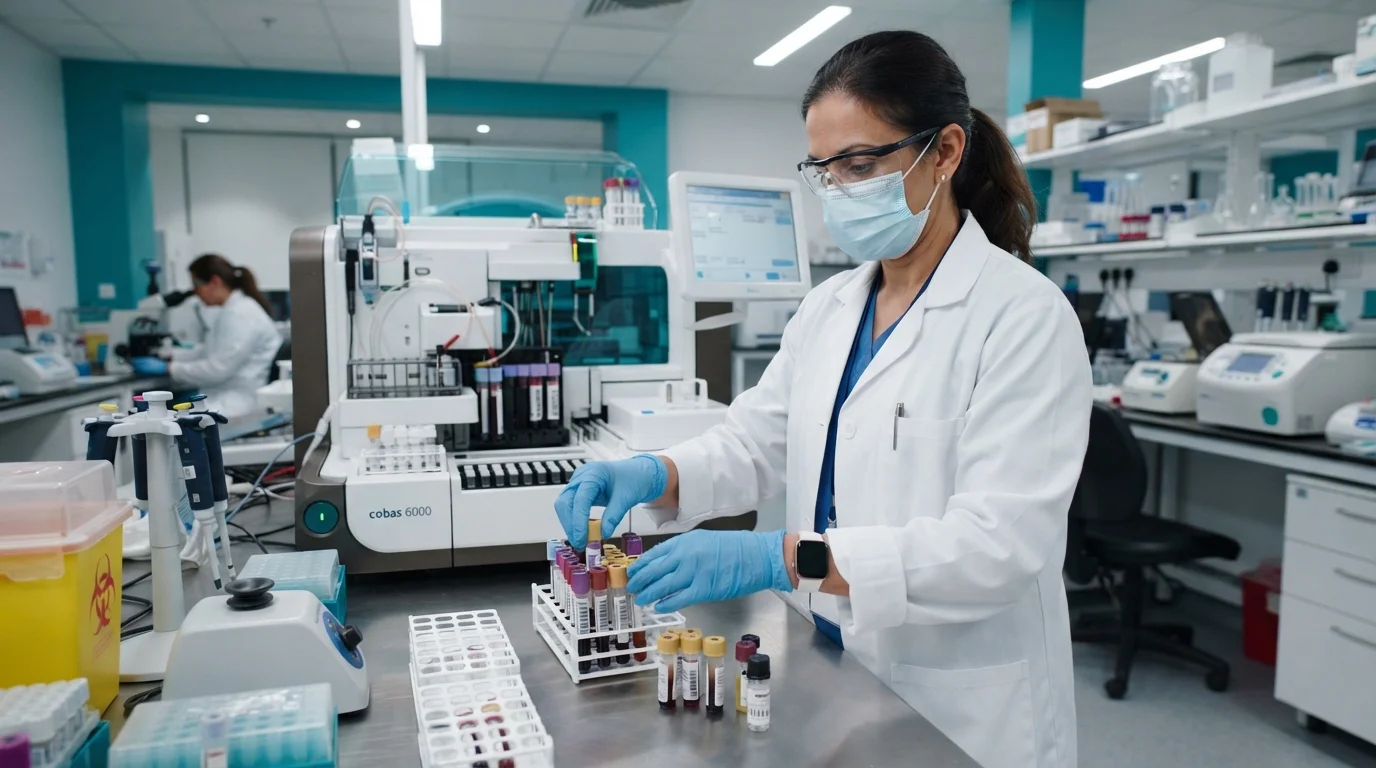
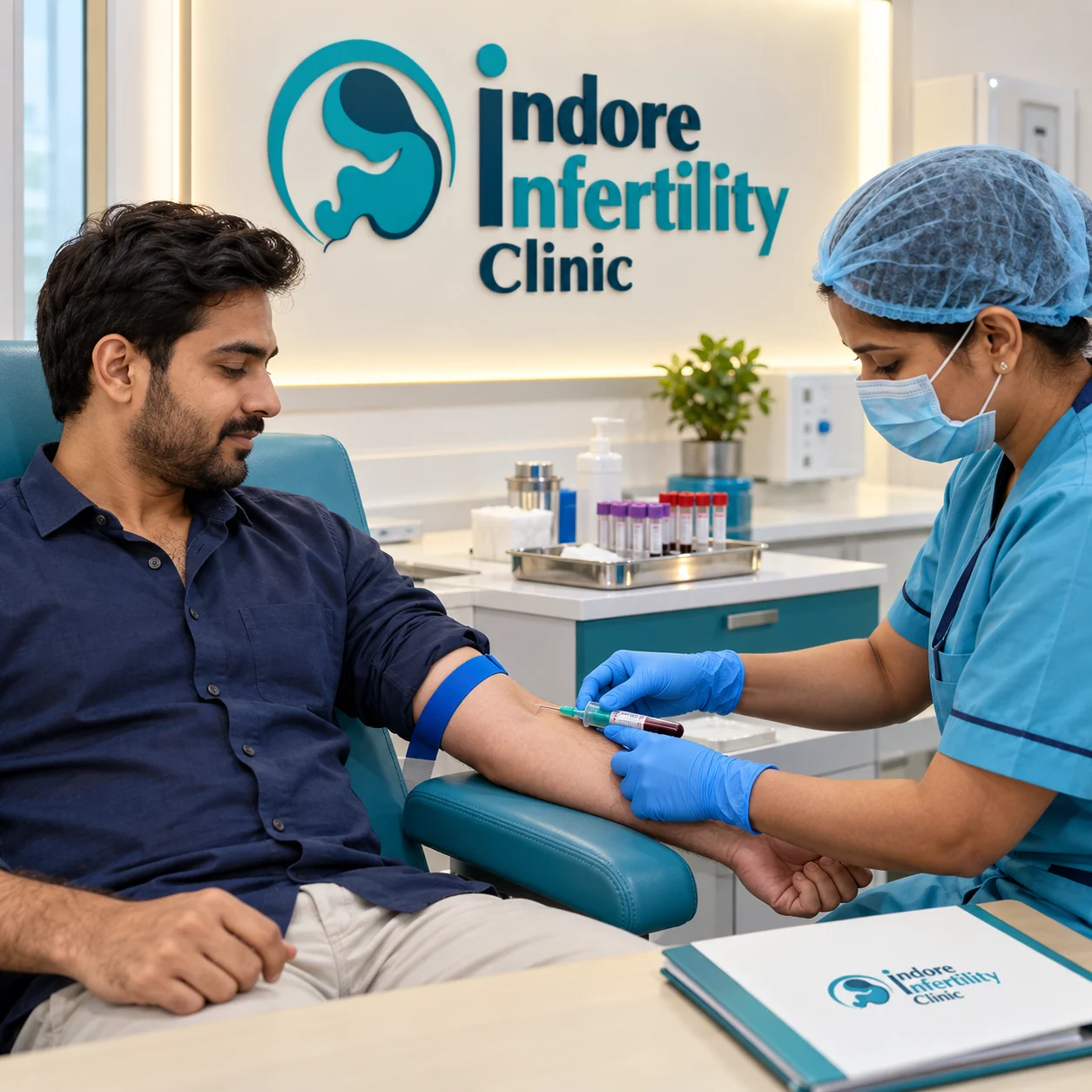
Blood Tests
Used to detect antibodies or antigens for infections such as HIV, Hepatitis B & C, and Syphilis.

Sexually Transmitted Infections (STIs) testing and diagnosis involves comprehensive medical evaluations, laboratory screenings, and physical examinations to detect infections accurately. Early detection of STIs is crucial, especially for individuals planning pregnancy or undergoing fertility treatments, as untreated infections can impact reproductive health, tubal health, and pregnancy outcomes. Confidential testing ensures prompt medical management, peace of mind, and targeted treatment plans tailored to each patientEarly diagnosis also helps reduce the risk of complications and prevents potential transmission to sexual partners. Based on the test results, healthcare professionals can recommend appropriate treatment and follow-up care to support long-term reproductive health..
Sexually transmitted diseases (STDs), or sexually transmitted infections (STIs), are generally acquired by Sexual Contact. The organisms that cause sexually transmitted diseases may pass from person to person in blood, semen or vaginal and other bodily fluids.
It’s possible to contract sexually transmitted diseases from people who seem perfectly healthy — people who, in fact, aren’t even aware of being infected. Many STDs cause no symptoms in some people, and therefore if someone falls in the high risk category, should be tested for the presence of such infections
A specialist determines the appropriate diagnostic tests based on medical history, symptoms, and specific screening requirements.
Used to detect antibodies or antigens for infections such as HIV, Hepatitis B & C, and Syphilis.
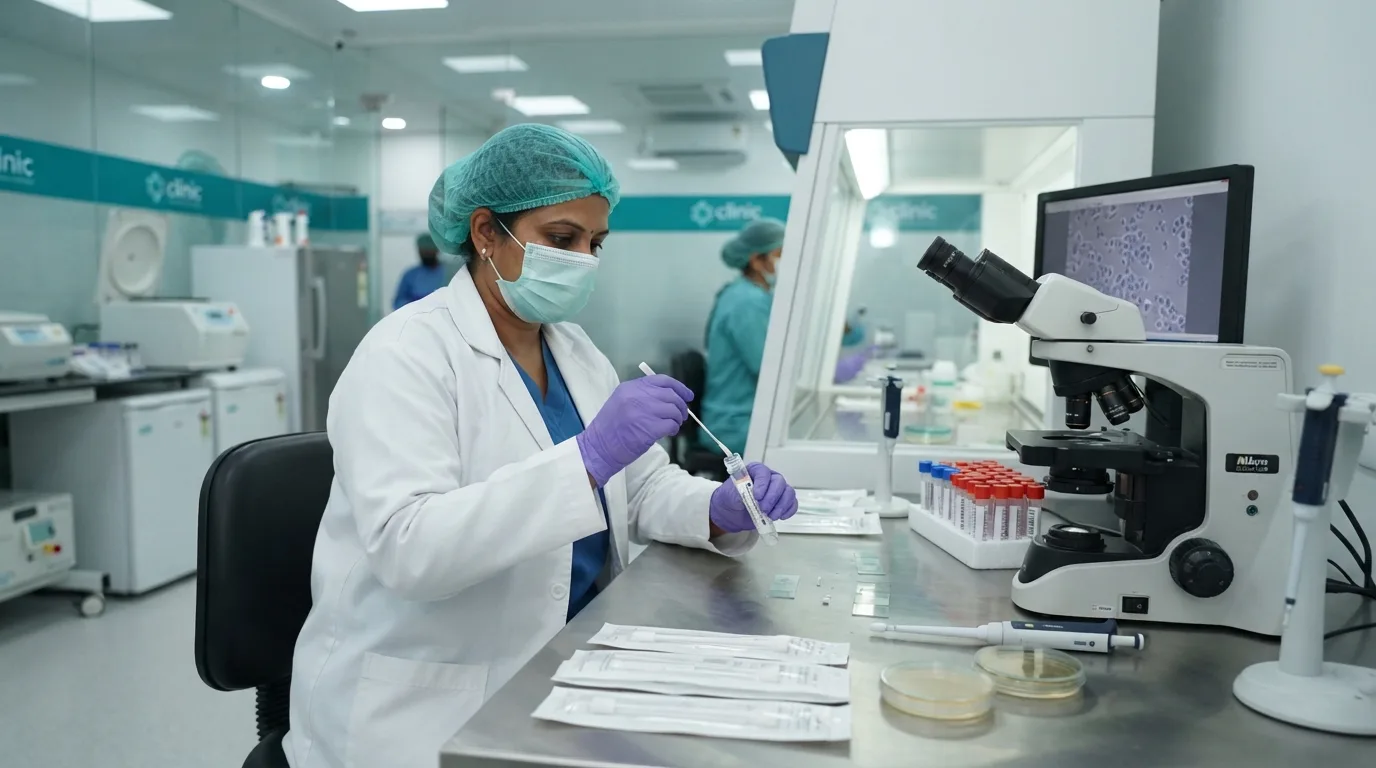
Cervical, vaginal, or urethral swabs collect cells to test for bacterial infections like Chlamydia and Gonorrhea.
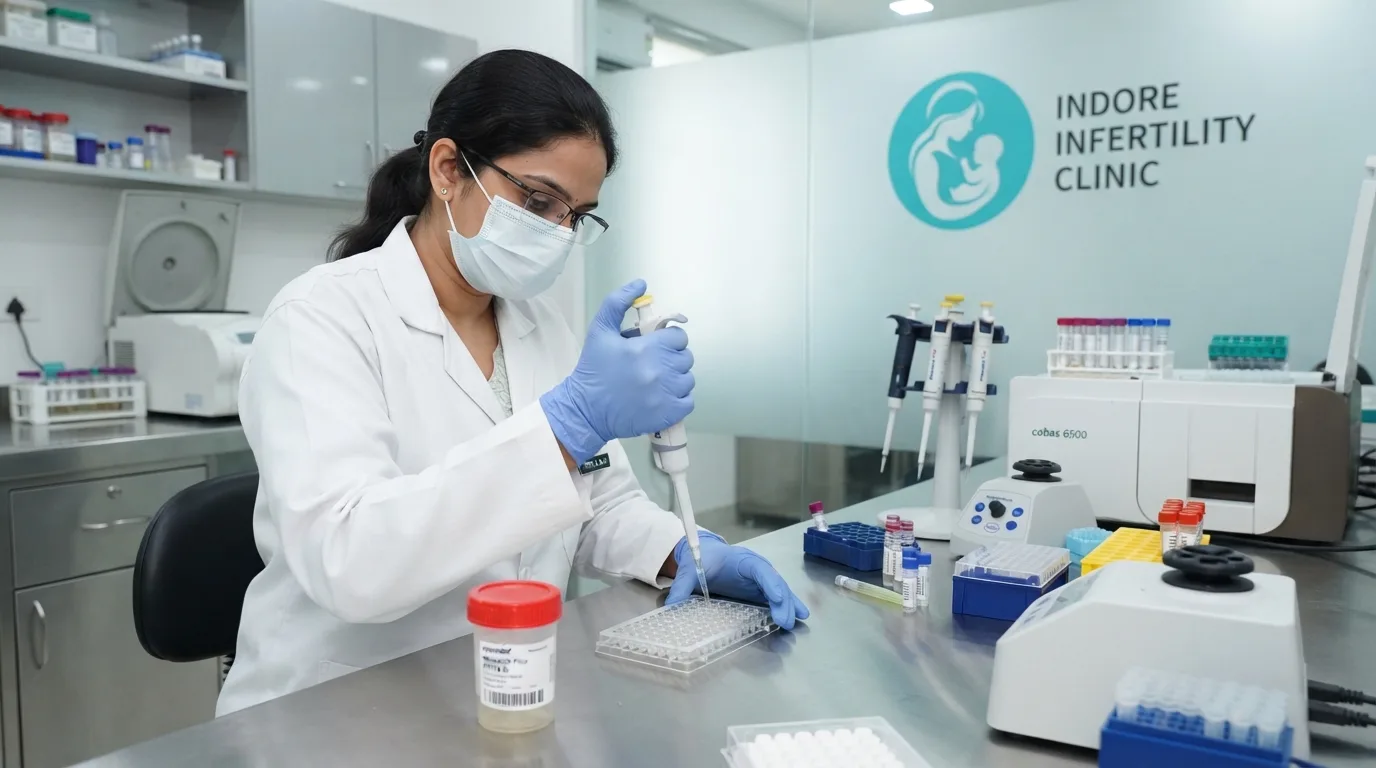
Non-invasive urine sample analysis can quickly detect specific common sexually transmitted pathogens.
A clinical inspection by a specialist to check for external sores, rashes, lesions, or inflammation.
If your sexual history and current signs and symptoms suggest that you have an STI, laboratory tests can identify the cause and also detect other co-existing infections you might also have contracted.
Find clear answers regarding STI screening, procedures, confidentiality, and treatment options.
STI testing involves a confidential consultation followed by simple diagnostic procedures such as a blood draw, urine sample, or swab collection depending on the suspected infections.
Yes. All patient consultations, medical records, and diagnostic test results are handled with the strictest standards of medical privacy and confidentiality.
Screening ensures there are no hidden infections that could cause inflammation, disrupt embryo implantation, lead to tubal damage, or cause complications during pregnancy.
Most bacterial STIs (such as Chlamydia, Gonorrhea, and Syphilis) can be completely cured with appropriate antibiotics. Viral infections can be effectively managed with medical care.
Different infections require different window periods to be detected accurately. A doctor can advise you on the ideal timing following any potential exposure.
No. Many sexually transmitted infections are 'silent,' meaning they cause no visible symptoms initially, which is why routine screening is vital.
Yes, if an infection is diagnosed, both sexual partners must undergo treatment simultaneously to prevent passing the infection back and forth.
Generally, standard STI blood tests do not require fasting, but your doctor will provide specific instructions if any additional general blood work is required.
Most standard diagnostic results are available within a few days, after which a follow-up consultation is scheduled to discuss findings.
You can book a confidential appointment directly through our website booking portal or by contacting our clinic reception desk.
Take the first step towards parenthood with compassionate care, expertise, and support tailored to your unique needs.