Identify the Underlying Cause
A detailed fertility evaluation helps determine the possible reason for the absence of sperm in the semen.

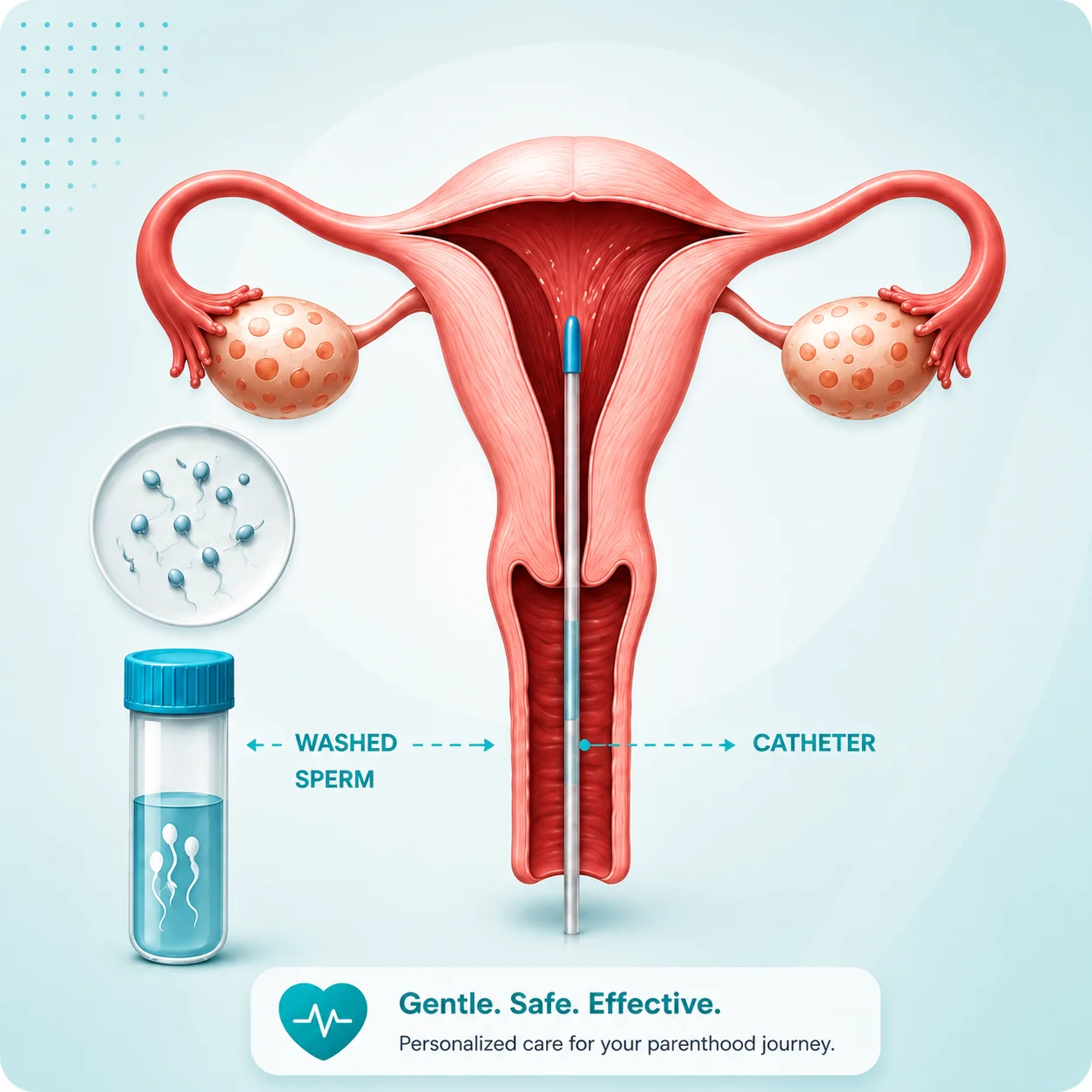
Azoospermia is a condition in which no sperm are detected in the semen. Treatment depends on the underlying cause and whether sperm production is affected or sperm are unable to reach the semen due to a blockage. A detailed fertility evaluation may include semen analysis, hormonal assessment, physical examination, ultrasound and selected genetic or specialized tests. Depending on the cause, treatment may include medicines, surgical procedures or sperm retrieval techniques followed by assisted reproductive treatment when appropriate.
Treatment for azoospermia is planned according to its underlying cause. The fertility specialist first evaluates whether the condition is related to an obstruction, reduced sperm production, hormonal factors, genetic factors or another reproductive issue.
A detailed fertility evaluation helps determine the possible reason for the absence of sperm in the semen.
Hormonal tests, physical examination and other investigations may help assess whether the testicles are producing sperm.
When sperm production is present but sperm do not appear in the semen, the specialist may investigate whether a blockage is preventing sperm from reaching the ejaculate.
Hormonal evaluation may identify factors that could be affecting sperm production or reproductive function.
Genetic testing may be recommended for selected men when the medical and fertility findings suggest a possible genetic contribution.
When appropriate, sperm retrieval techniques may be considered to obtain sperm directly from the reproductive tract or testicular tissue.
If suitable sperm are retrieved, assisted reproductive techniques such as IVF or ICSI may be considered as part of the fertility treatment plan.
The treatment approach is selected according to the cause of azoospermia, overall fertility evaluation and the reproductive goals of the couple.
Evaluation and treatment depend on the underlying cause. The fertility specialist may use laboratory investigations, physical examination, imaging and selected procedures to understand the condition and determine appropriate treatment options.
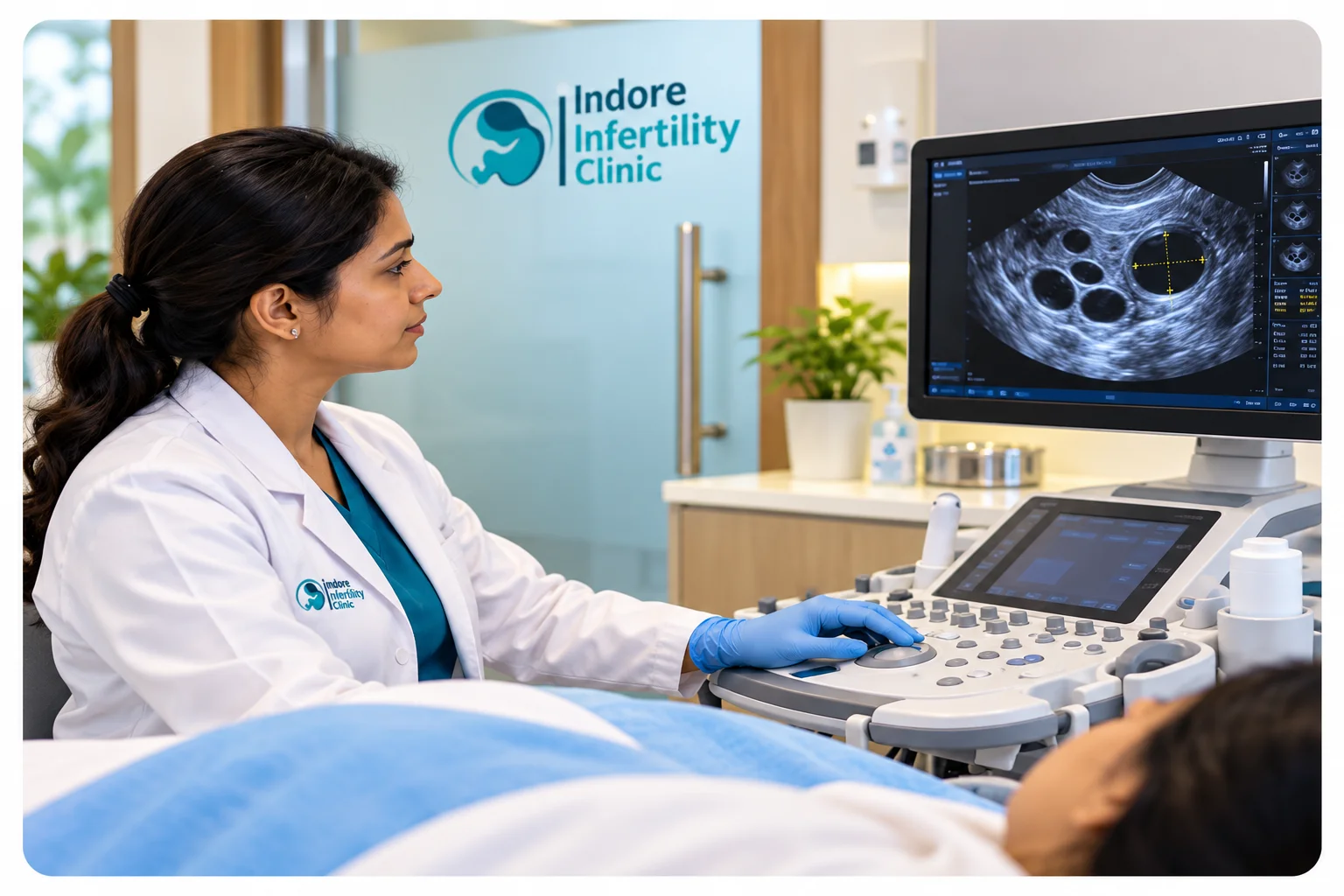
Assessment of reproductive hormones and sperm production
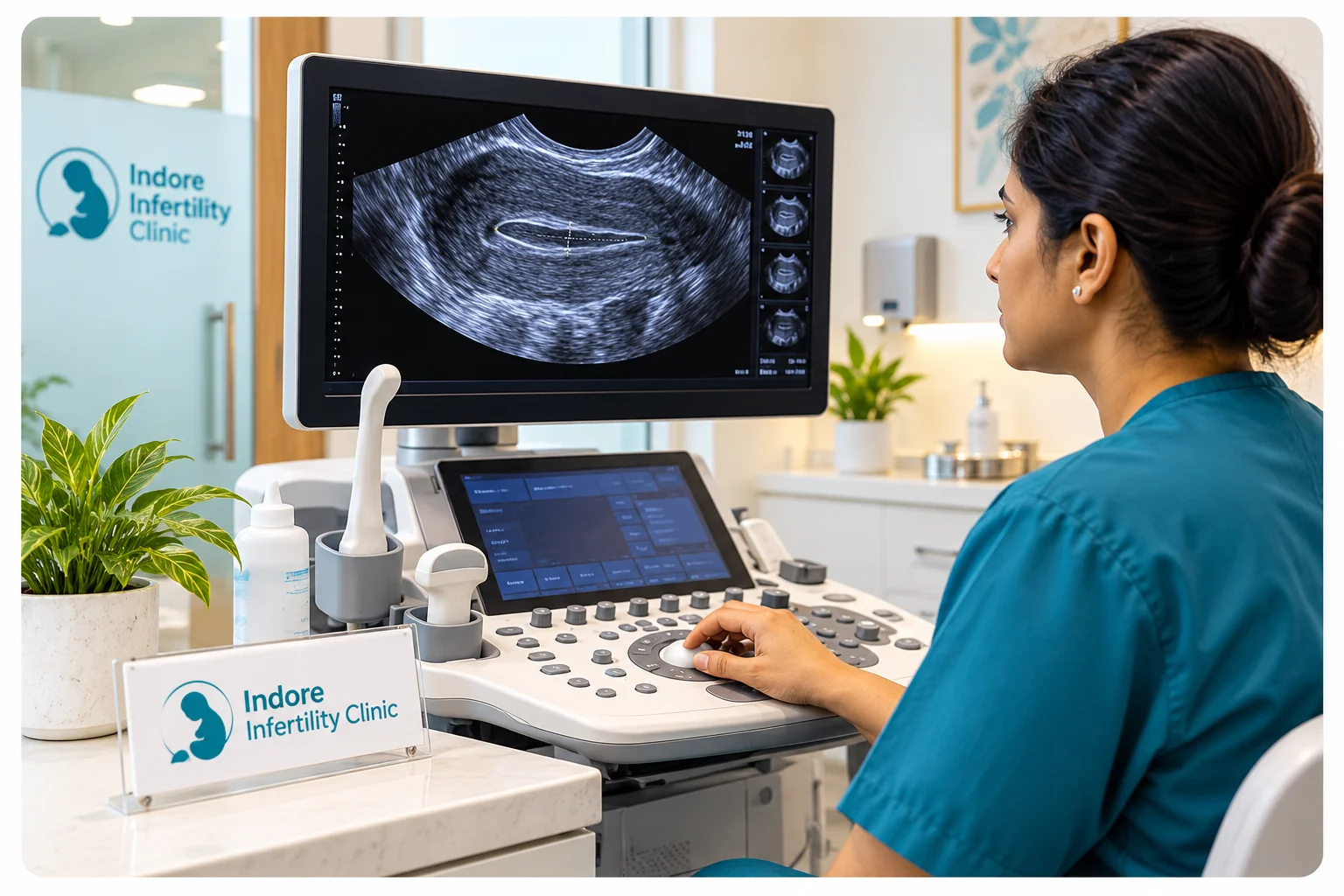
Retrieval of sperm when clinically appropriate
Preparation depends on the investigations or treatment recommended by the fertility specialist. Following medical instructions and providing complete medical information can help the specialist plan the appropriate approach.
Complete semen analysis, hormonal testing, imaging or other investigations recommended by your fertility specialist to help determine the underlying cause.
Tell your specialist about previous surgeries, infections, medications, childhood conditions, previous fertility treatments and other relevant reproductive history.
If a surgical procedure or sperm retrieval treatment is planned, carefully follow the clinic's instructions regarding medicines, food, investigations and appointment timing.
The risks associated with azoospermia treatment depend on the treatment approach. Routine diagnostic tests are generally straightforward, while surgical procedures and sperm retrieval techniques may involve procedure-specific risks that should be discussed with the fertility specialist.
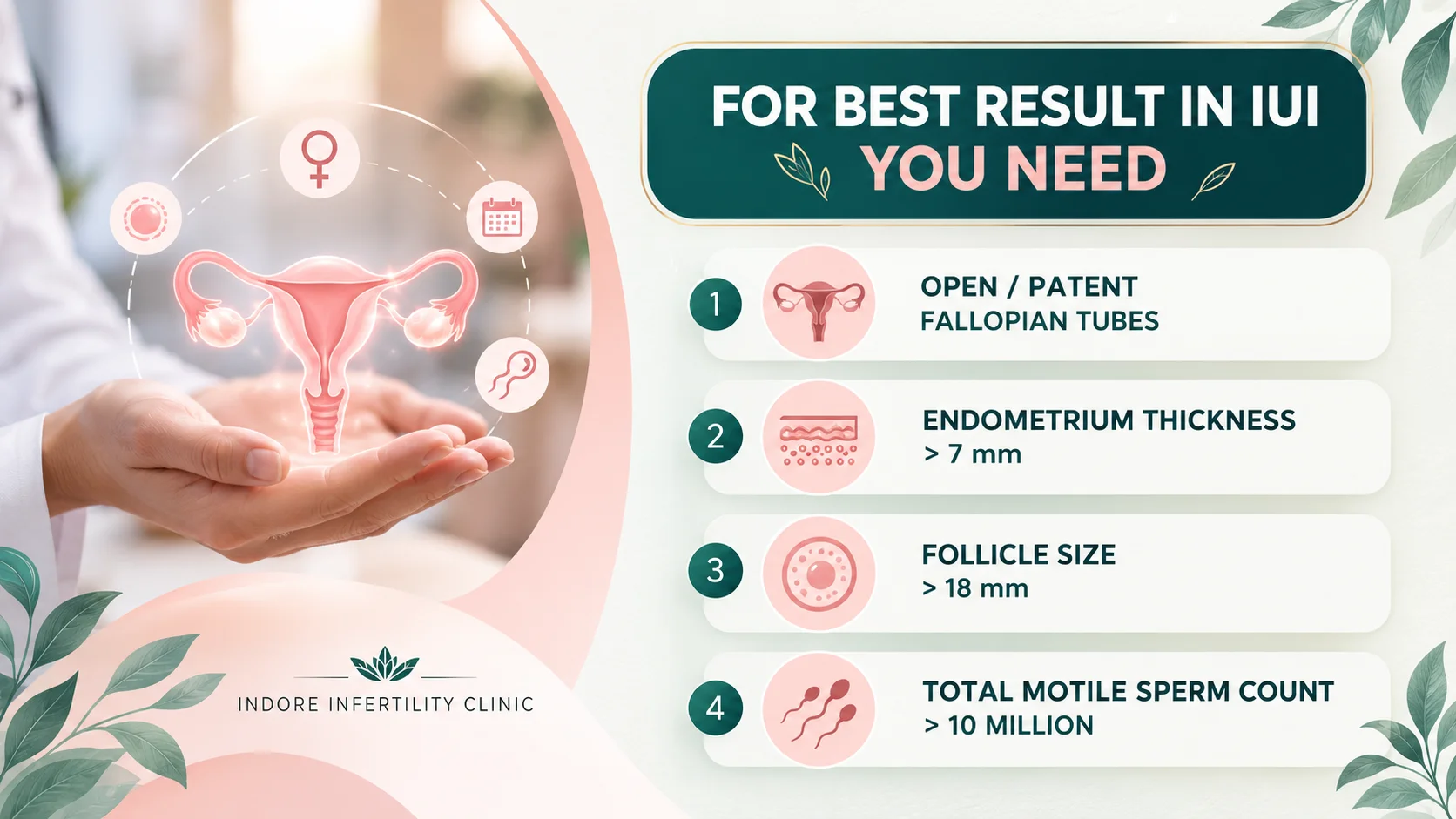
Care throughout your fertility treatment
Blood tests and semen analysis generally involve minimal physical risk. Temporary discomfort or minor bruising may occur after blood collection.
Procedures used to correct an obstruction or retrieve sperm may involve risks such as discomfort, swelling, bleeding or infection. The specific risks depend on the procedure.
The outcome depends on the underlying cause and the individual's sperm production and reproductive condition. Sperm retrieval may not always result in usable sperm.
Your fertility specialist will explain the recommended procedure, expected benefits, possible risks and recovery requirements before treatment.
Azoospermia treatment is highly individualized. The possibility of finding or retrieving sperm depends on the underlying cause, sperm production and other clinical factors. When suitable sperm are available, assisted reproductive techniques may be considered as part of the fertility treatment plan.
The distinction between obstructive and non-obstructive causes can influence the evaluation and treatment approach.
The presence and level of sperm production can influence whether sperm retrieval may be possible.
Medical history, hormonal health and other reproductive factors are considered when developing an individualized treatment plan.
When suitable sperm are available, techniques such as IVF or ICSI may be considered according to the fertility needs of the couple.
The cost of azoospermia treatment varies depending on the cause, investigations required and treatment approach. Diagnostic tests, medicines, surgical procedures, sperm retrieval and assisted reproductive treatment may have separate costs.
Semen analysis and repeat testing when required to confirm the diagnosis.
Hormonal and other blood investigations to evaluate possible causes affecting sperm production.
Imaging or additional fertility investigations when clinically indicated.
Surgical treatment for selected cases where an obstruction or other correctable condition is identified.
Sperm retrieval procedures and assisted reproductive treatment when appropriate.
Important to know
The total cost depends on the individual's diagnosis and the treatment recommended by the fertility specialist. The clinic can provide current procedure-wise charges after the treatment plan has been discussed.
Quick Reference
Azoospermia treatment costs vary according to the investigations, procedures and assisted reproductive techniques required.
Find answers to common questions about azoospermia, its evaluation, treatment options, sperm retrieval and assisted reproductive treatment.
Azoospermia is a condition in which sperm are not detected in the semen. Further evaluation is usually needed to understand the underlying cause.
Treatment depends on the underlying cause. Depending on the diagnosis, treatment may involve medicines, surgical treatment, sperm retrieval or assisted reproductive techniques.
Azoospermia can occur when sperm production is significantly impaired or when sperm are produced but are unable to reach the semen because of an obstruction. Other medical, hormonal or genetic factors may also contribute.
Evaluation may include semen analysis, medical history, physical examination and hormonal testing. Depending on the findings, ultrasound, genetic or other specialized investigations may be recommended.
Not necessarily. In some cases, sperm may be present in the reproductive tract even though sperm are not found in the semen. Depending on the cause and clinical findings, sperm retrieval may be considered.
Sperm retrieval is a procedure used in selected patients to obtain sperm directly from reproductive tissues when sperm are not present in the ejaculate.
In selected men with non-obstructive azoospermia, sperm retrieval may be considered. The possibility of finding sperm depends on the individual's underlying condition and sperm-production pattern.
Yes. Obstructive azoospermia occurs when sperm production may be present but a blockage prevents sperm from reaching the semen.
In selected cases, a surgical procedure may be considered to address an obstruction. The appropriate treatment depends on the location and cause of the obstruction.
Hormonal factors can affect sperm production. Hormonal blood tests may therefore be recommended when the fertility specialist suspects an endocrine or hormonal cause.
No. Genetic testing is recommended selectively based on the individual's clinical findings, semen results and suspected underlying cause.
When suitable sperm are available through ejaculation or sperm retrieval, assisted reproductive techniques such as IVF or ICSI may be considered depending on the fertility evaluation of the couple.
The duration depends on the cause and treatment plan. Diagnostic evaluation may require several investigations, while surgical treatment and assisted reproductive treatment have their own timelines.
The level of discomfort depends on the treatment. Diagnostic tests such as semen analysis are generally non-invasive, while surgical procedures or sperm retrieval may involve temporary discomfort during recovery.
After confirming azoospermia, the fertility specialist evaluates the likely cause and discusses appropriate treatment or fertility options based on the individual's medical findings and reproductive goals.
Take the first step towards parenthood with compassionate care, expertise, and support tailored to your unique needs.